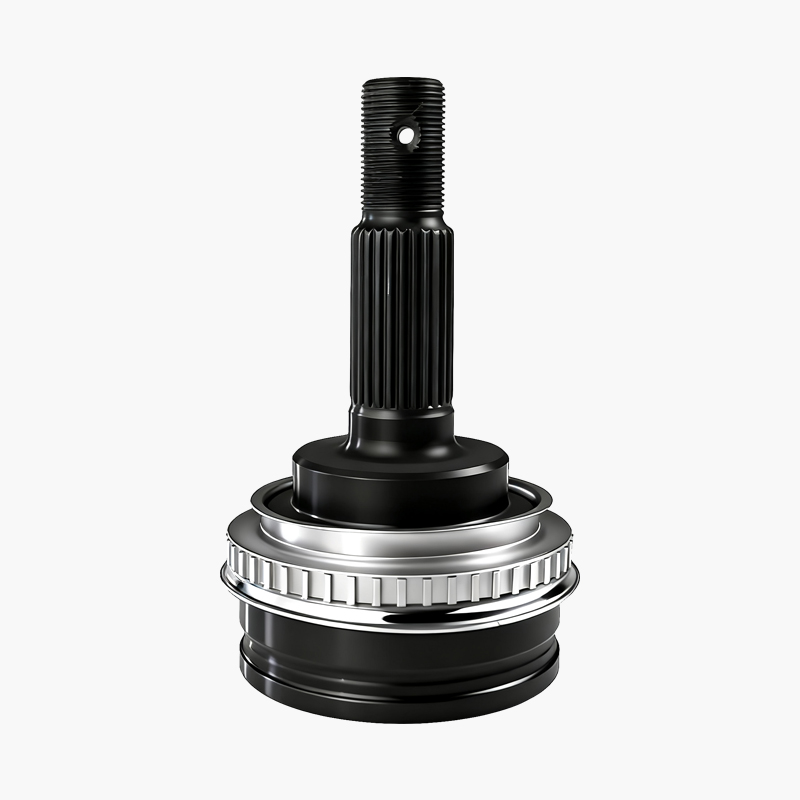
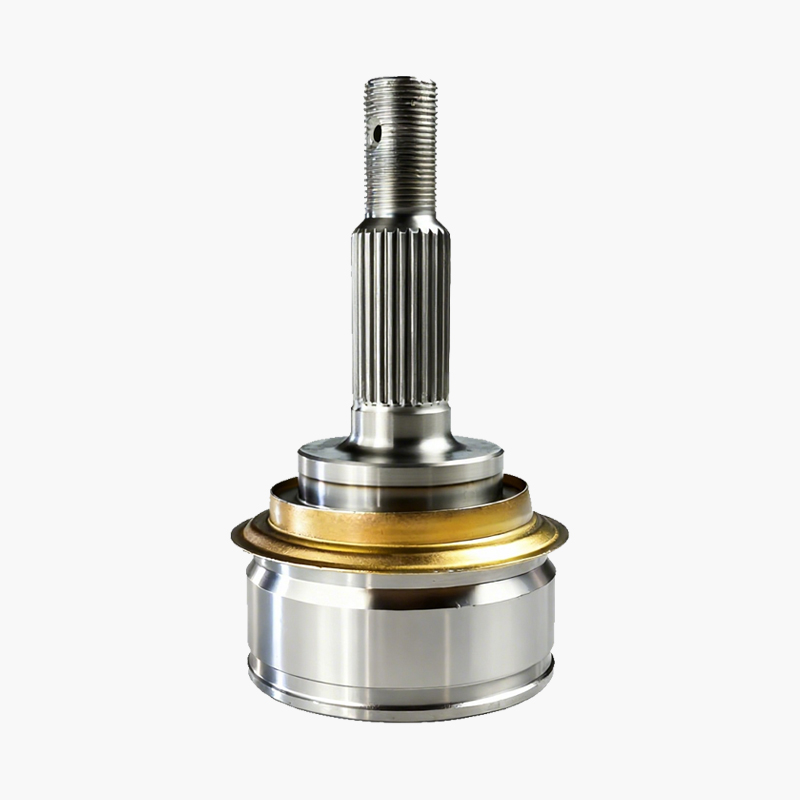
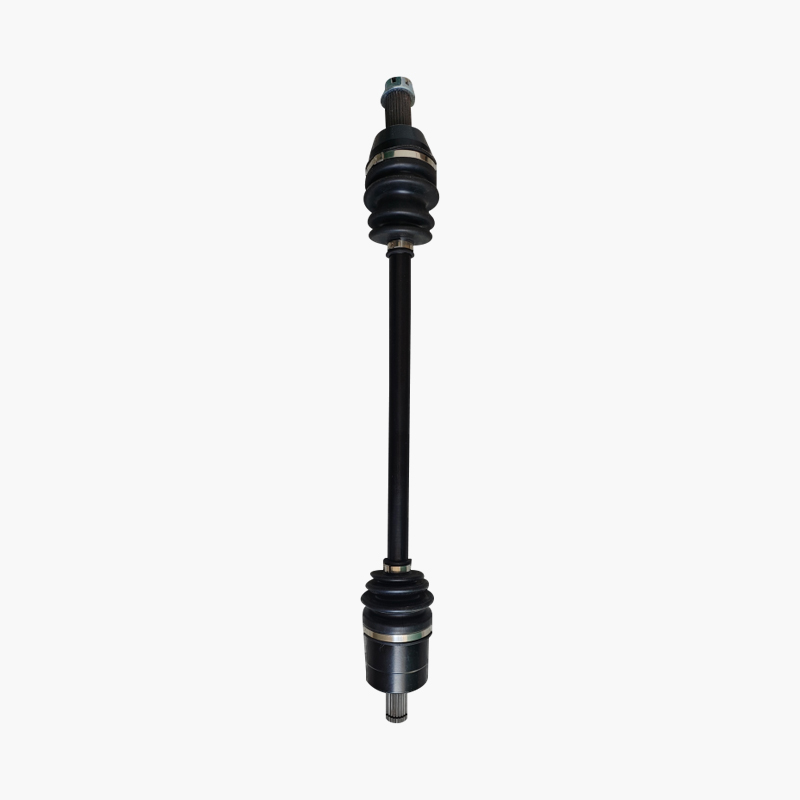
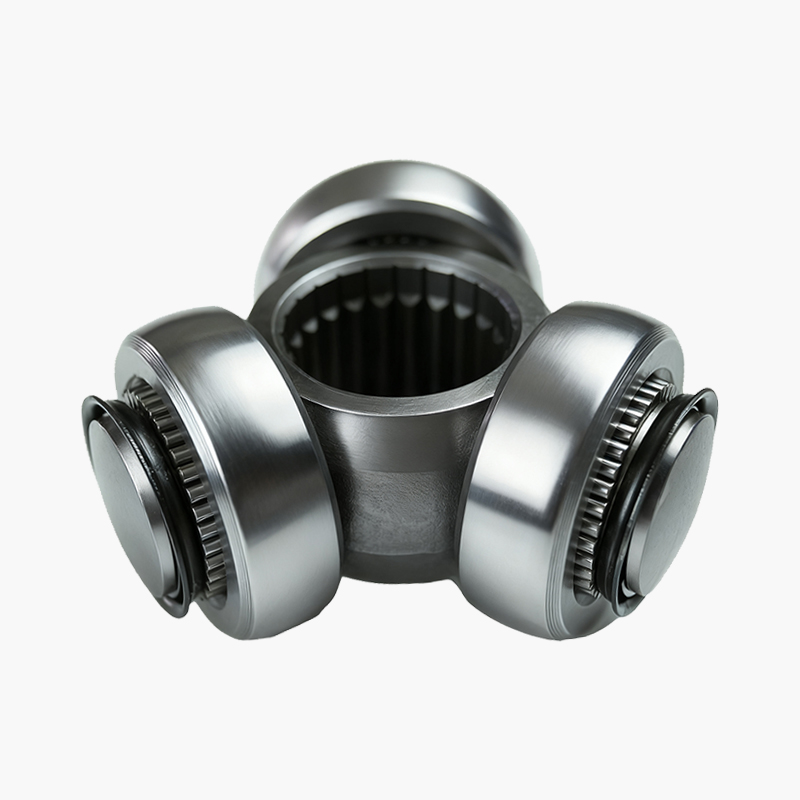
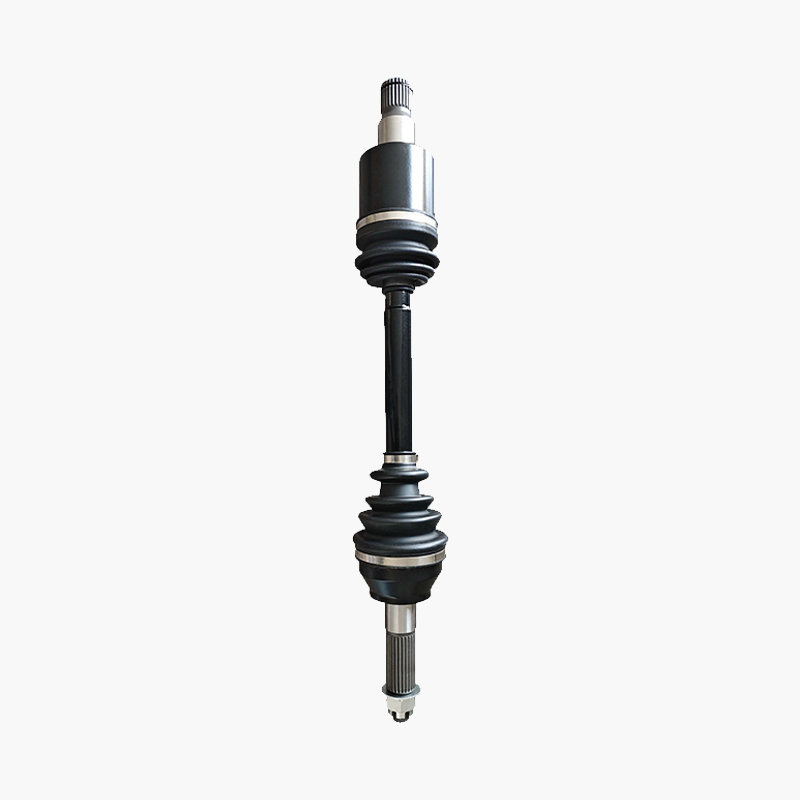
External ball cage constant velocity universal joint
In the global automotive aftermarket, components such as the Out CV Joint for Toyota Corolla, Constant Velocity Universal Joint, and Corolla Axle play a key role in maintaining smooth power transmission and driving stability. These parts are widely used in front-wheel drive vehicles and are essential for both OEM replacement and aftermarket supply.
What is a Constant Velocity Universal Joint?
A Constant Velocity Universal Joint (CV Joint) is a mechanical component designed to transmit torque at a constant rotational speed, even when the angle between the input and output shafts changes. Compared with traditional universal joints, CV joints reduce vibration and ensure stable power delivery.
They are commonly installed in:
- Passenger vehicles (FWD and AWD)
- Light commercial vehicles
- SUVs and crossover models
Main functions include:
- Transferring engine power to the wheels
- Allowing flexible movement during steering and suspension travel
- Reducing noise and vibration during driving
- Our CV Joint for the Toyota Corolla
The Outer CV Joint for the Toyota Corolla is installed on the wheel side of the axle shaft. It is designed to handle larger articulation angles, especially during steering.
Typical features:
- Compatible with multiple Corolla models (E120, E140, E170, etc.)
- Rzeppa-type ball structure for smooth rotation
- High-angle capability (up to around 45 degrees)
- Durable components, including outer housing, steel balls, cage, and inner race
This component ensures that the wheels receive consistent torque while turning, contributing to a stable driving experience.
Corolla Axle (Drive Shaft Assembly)
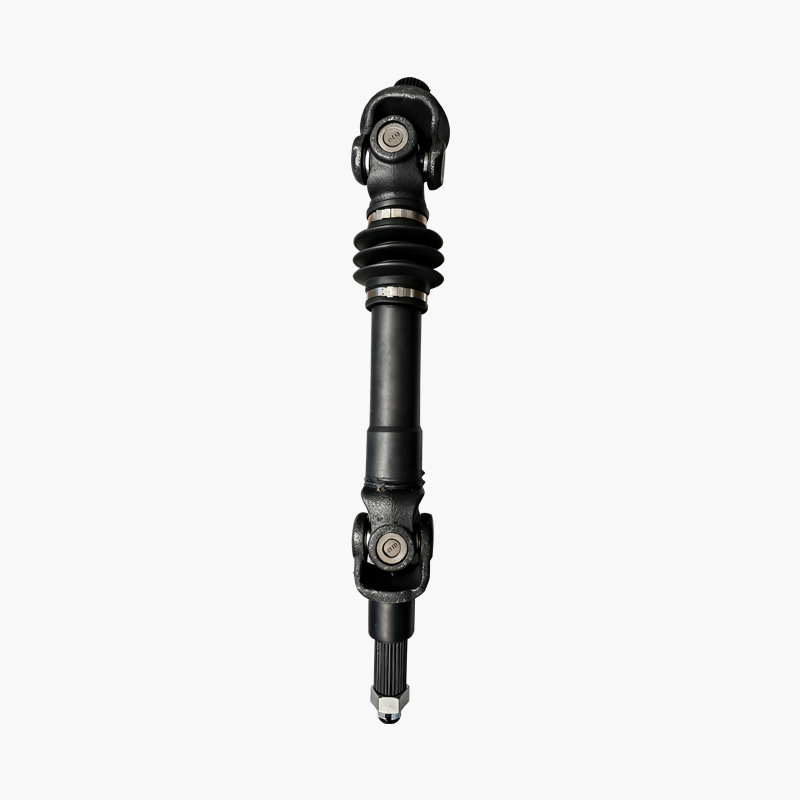
The Corolla Axle, also known as the drive shaft assembly, connects the transmission to the wheels.
It is usually composed of:
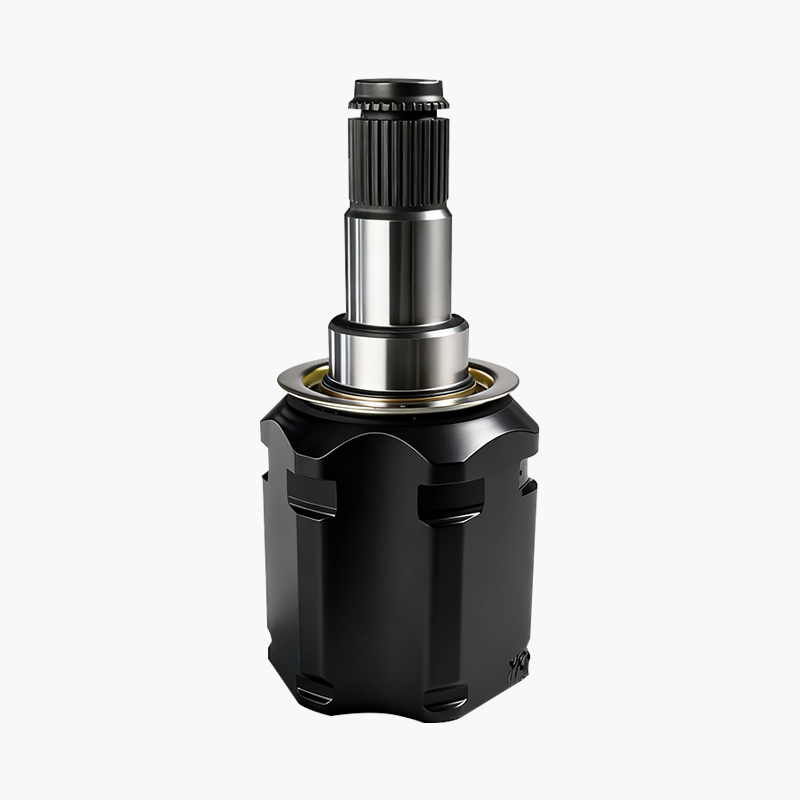
- Inner CV Joint (Tripod type)
- Shaft bar
- Outer CV Joint
Key characteristics:
- Designed for front-wheel drive systems
- Different lengths for left and right axles
- The inner joint allows axial movement to absorb suspension travel
- Outer joint supports high-angle rotation during steering
Types of CV Joints
In the automotive parts industry, common types of CV joints include:
- Rzeppa Joint (widely used as an outer joint)
- Tripod Joint (commonly used as an inner joint)
- Double Offset Joint
Each type is selected based on its function:
- Outer joints focus on the rotation angle.
- Inner joints focus on axial movements.
Materials and Manufacturing Process
High-quality CV joints and axle assemblies are produced using durable materials and controlled processes.
Common materials:
- Alloy steel (such as 20CrMnTi, 40Cr)
- Forged steel for high strength
- Wear-resistant bearing steel
Production process:
- Hot forging
- CNC machining
- Heat treatment (carburizing and quenching)
- Precision grinding
- Assembly
- Dynamic balancing test
These steps help ensure proper hardness, accuracy, and long-term performance.
Common Issues and Maintenance
In the aftermarket, CV joints are frequently replaced due to wear or damage.
Common problems include:
- CV boot cracking or damage
- Grease leakage
- Clicking noise when turning
- Vibration during driving
For example, a worn outer CV joint often produces a clicking sound during turns, indicating the need for replacement.
Key characteristics:
- High replacement frequency
- Wide vehicle compatibility requirements
- Balanced demand between cost and durability
- Industry Trends
The automotive parts industry continues to evolve with new requirements:
- Lightweight design to improve efficiency
- Enhanced durability through improved heat treatment
- Adaptation for electric vehicles with lower noise requirements
- Increased demand for complete axle assemblies
The Out CV Joint for Toyota Corolla, Constant Velocity Universal Joint, and Corolla Axle are essential components in modern vehicle driveline systems. Their design, material selection, and manufacturing quality directly affect vehicle performance and reliability.
With the steady growth of the global vehicle fleet, these products remain in consistent demand, offering opportunities for manufacturers, exporters, and distributors in the automotive parts market.

 English
 русский
 Español
 Português
 عربى
عربى