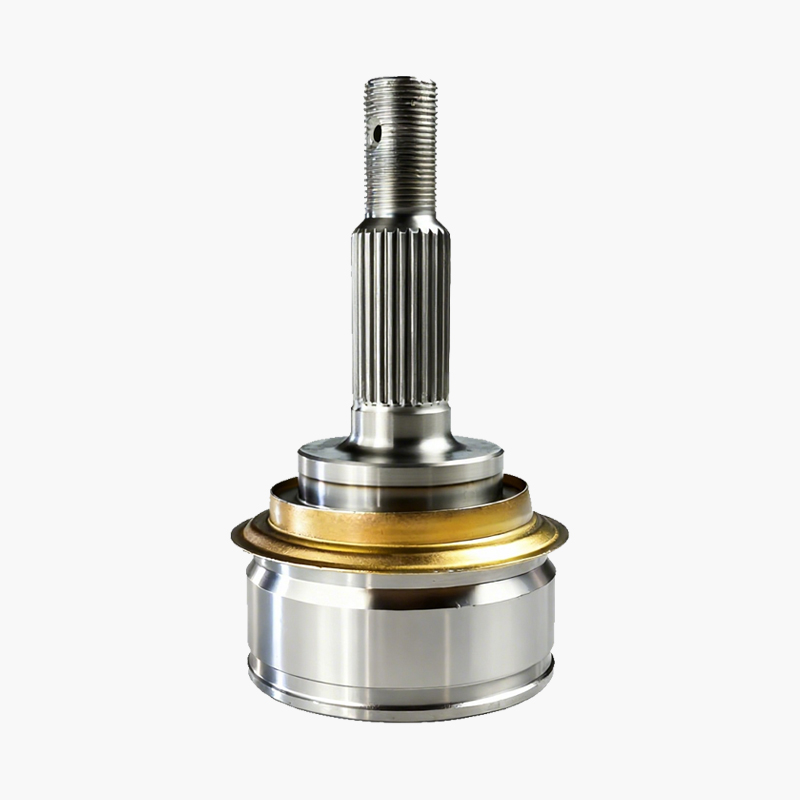
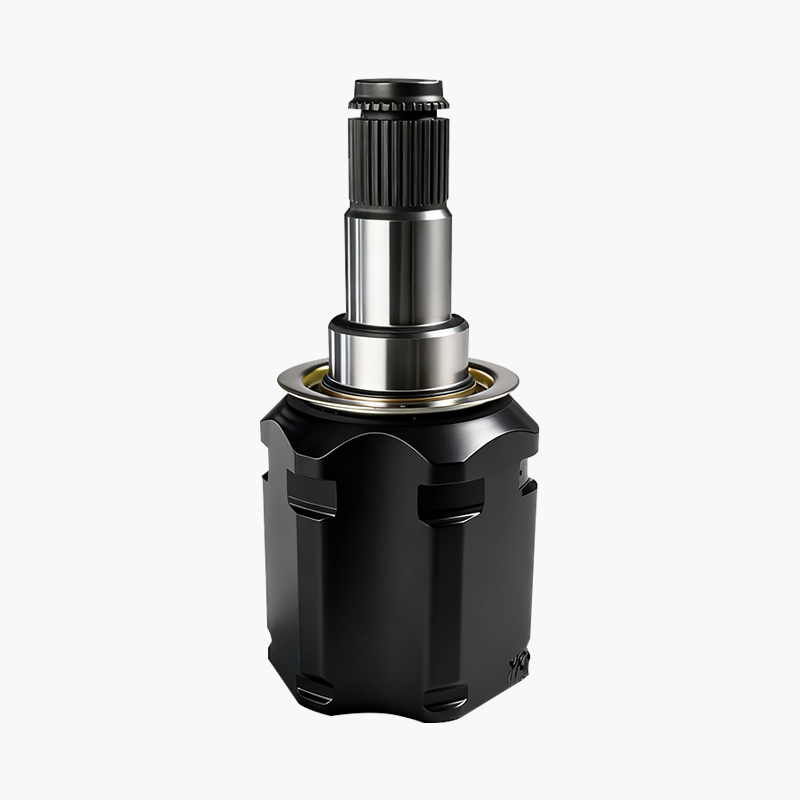
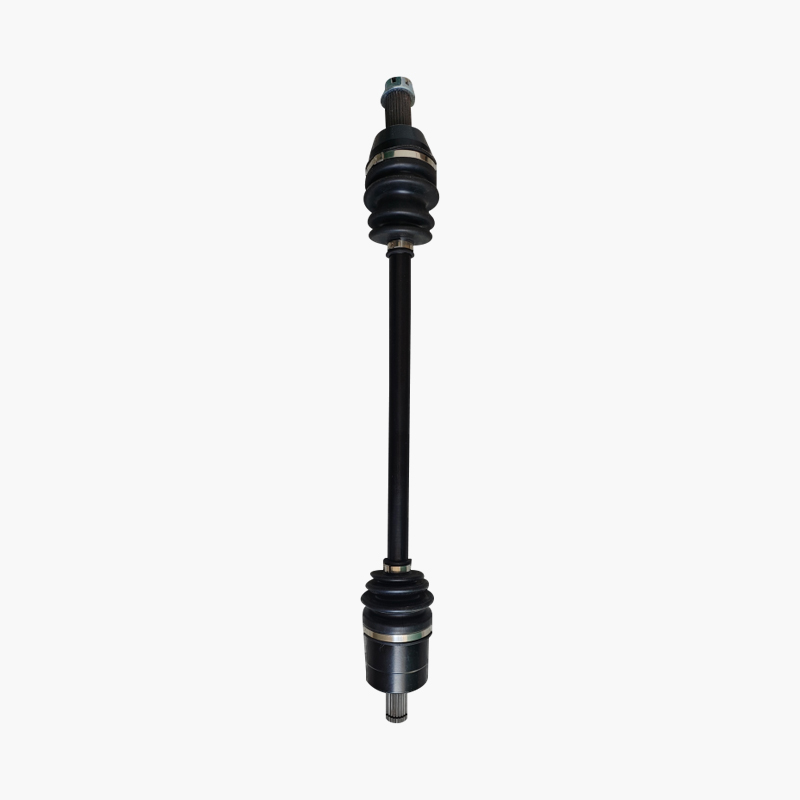
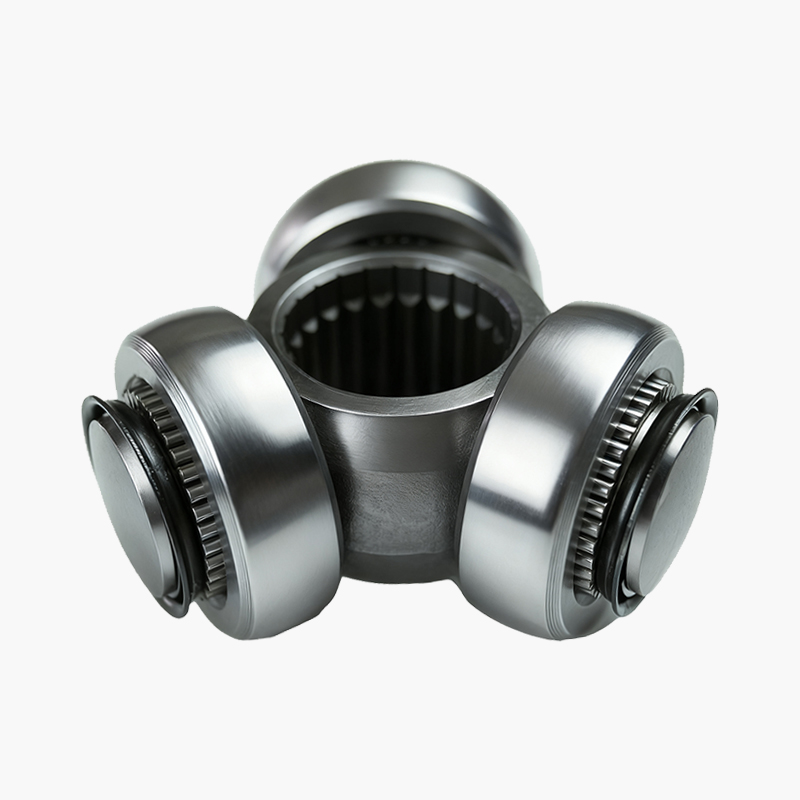
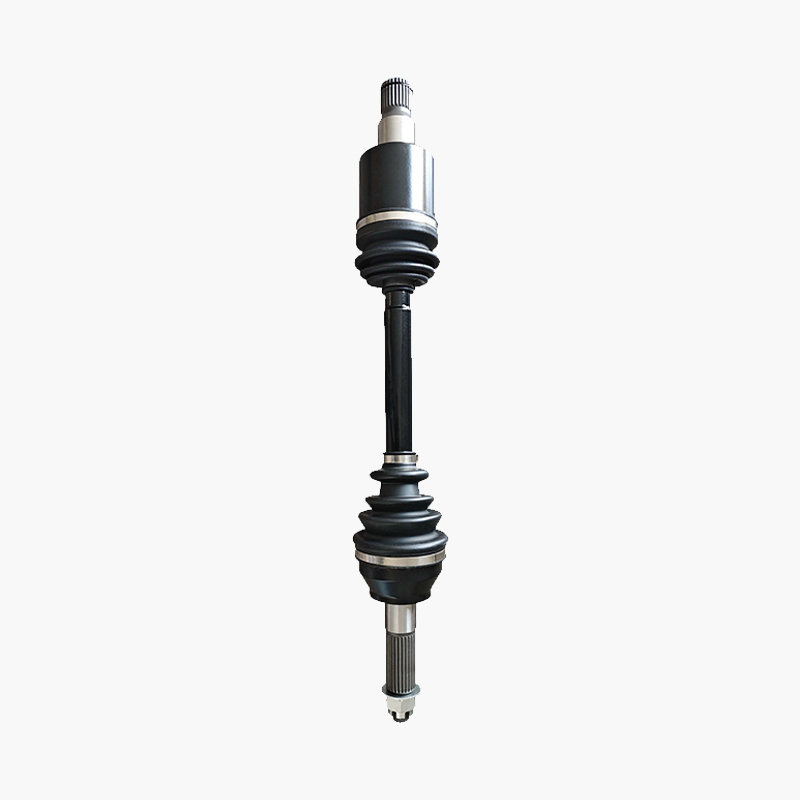
An Intermediate Shaft Manufacturer is increasingly expected to do more than supply a machined shaft. In today’s driveline projects, engineers often need to balance dimensional accuracy, rotational stability, material performance, and installation requirements within one component. As vehicle architectures continue to evolve, a practical approach to intermediate shaft design can help prevent vibration, premature wear, and assembly problems before they reach production.
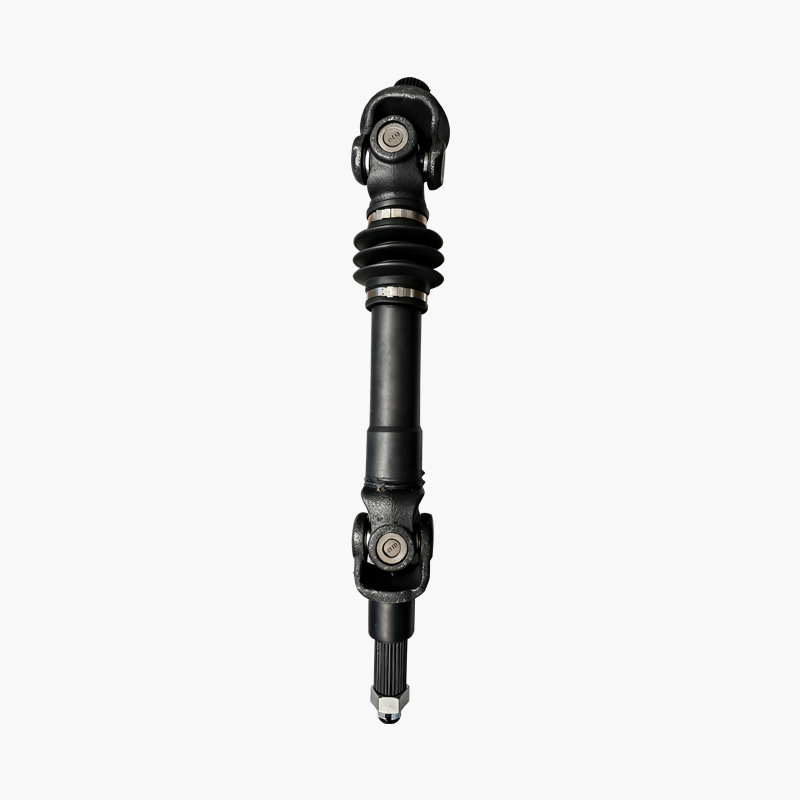
An intermediate shaft cannot be selected separately from the surrounding drivetrain. Its length, connection method, bearing position, available installation space, and operating conditions all influence the final design. Before production begins, engineers should confirm how the shaft connects with the transmission, differential, bearing support, or other rotating components. This simple step helps avoid redesign work caused by dimensional conflicts later in the assembly process.
Small alignment issues can become noticeable once the driveline is running. Poor concentricity or inconsistent machining may contribute to vibration, uneven bearing loading, or accelerated wear. For this reason, an intermediate shaft for automotive drivetrain applications should be manufactured around controlled dimensions and appropriate inspection procedures rather than relying only on the final appearance of the part.
Material choice should match the actual load and operating environment. Factors such as torque transmission, repeated rotation, temperature, corrosion exposure, and required service life all need consideration. When developing a custom intermediate shaft, our manufacturing team evaluates these conditions before recommending a suitable material and processing route instead of applying the same solution to every project.
Surface treatment and heat treatment are not simply finishing options. They can affect wear resistance, hardness, fatigue performance, and the behavior of contact areas. For shafts working with bearings, splines, gears, or other rotating parts, the treatment process should be selected according to the function of each area. This is particularly useful when an OEM project involves different loads across the same shaft.
Vibration is one of the issues that buyers often discover only after components enter system testing. Shaft geometry, balance, joint accuracy, bearing support, and assembly conditions can all influence rotational behavior. During manufacturing, dimensional inspection and process control provide useful checkpoints before the component is installed in a complete drivetrain. Addressing these details early is generally easier than correcting vibration after vehicle-level testing.
For overseas buyers, sending a drawing is only part of the sourcing process. A useful supplier should also understand the application behind the drawing. We normally review key information such as:
This information gives both sides a clearer basis for production and quality control.
A dependable Intermediate Shaft Manufacturer should treat each project as a combination of engineering, machining, inspection, and application requirements. From initial drawing review to finished-part inspection, our focus is on maintaining consistent dimensions and matching the shaft to its actual drivetrain environment. For OEM and industrial buyers looking for a customized intermediate shaft supplier, discussing the application early can make the transition from prototype to repeat production much smoother.
contact us

Product
INFORMATION
+86-576-87243246
+86-13867673238
+86-576-87278966
Gongcheng North Industrial Zone, Yuhuan City, Zhejiang Province, China

 English
 русский
 Español
 Português
 عربى
عربى