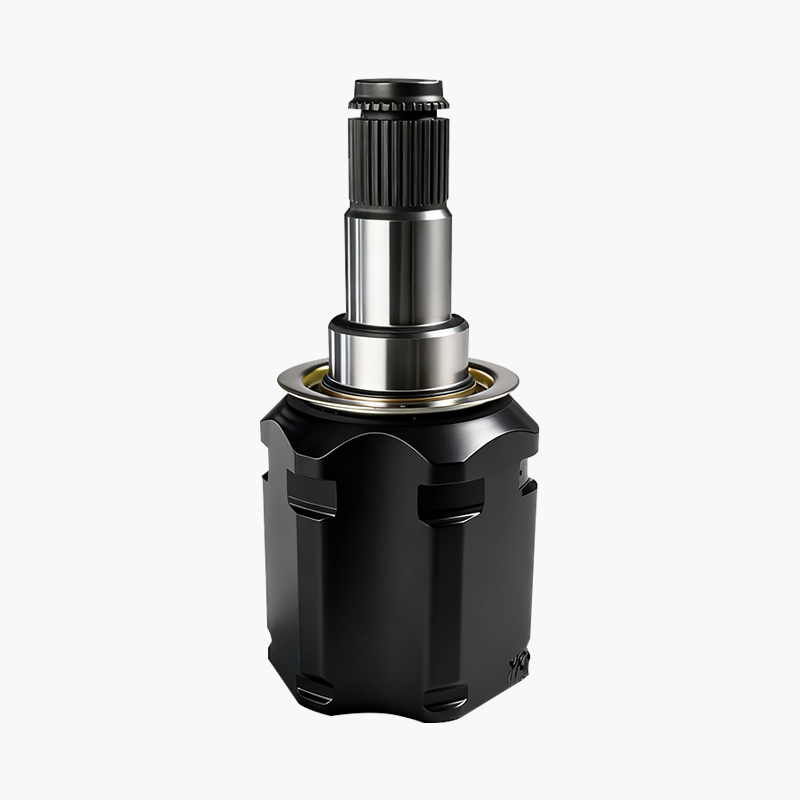
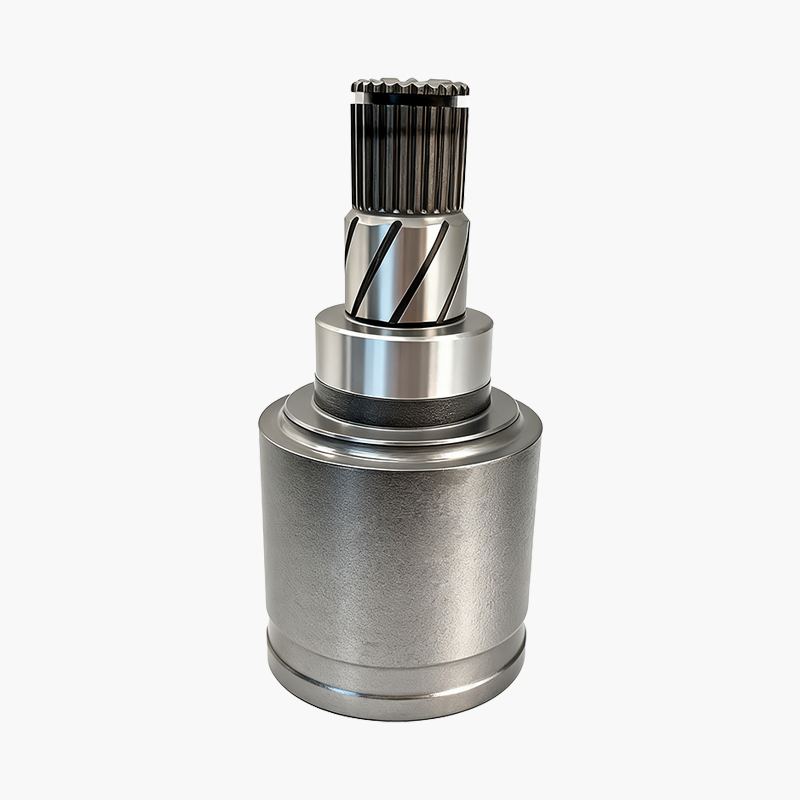
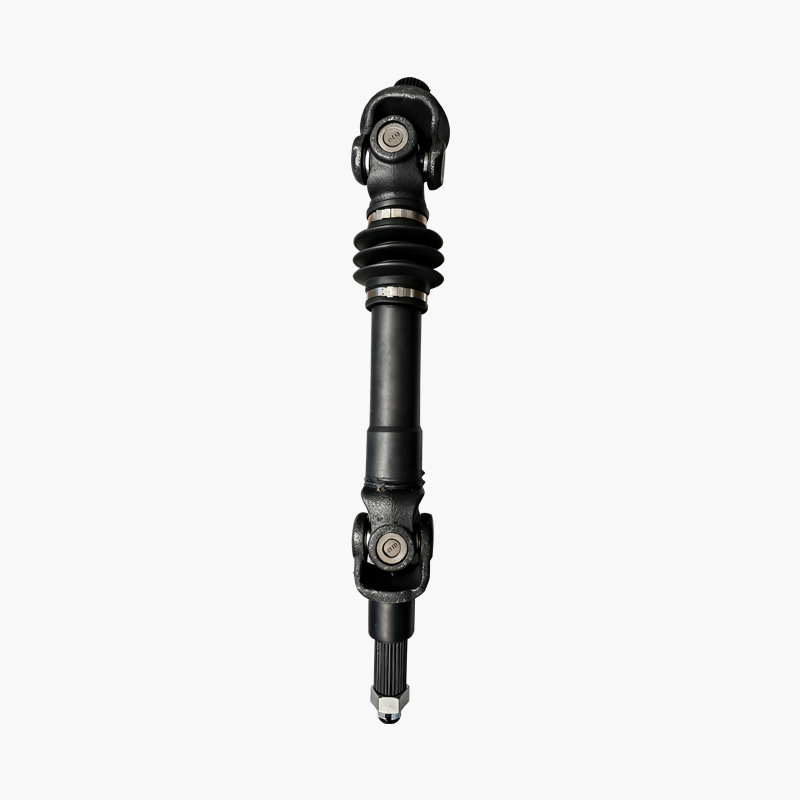
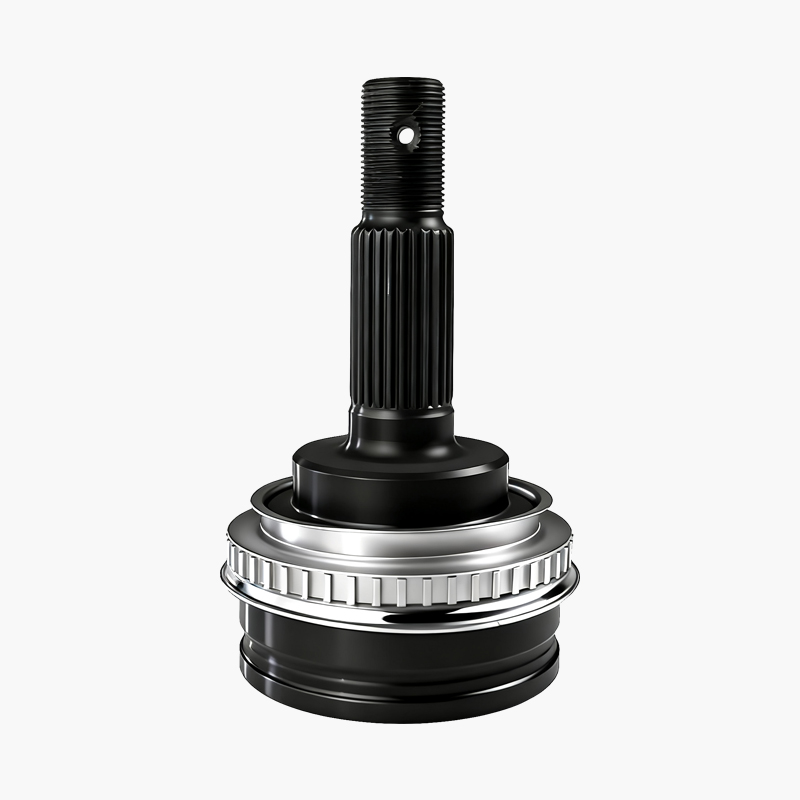
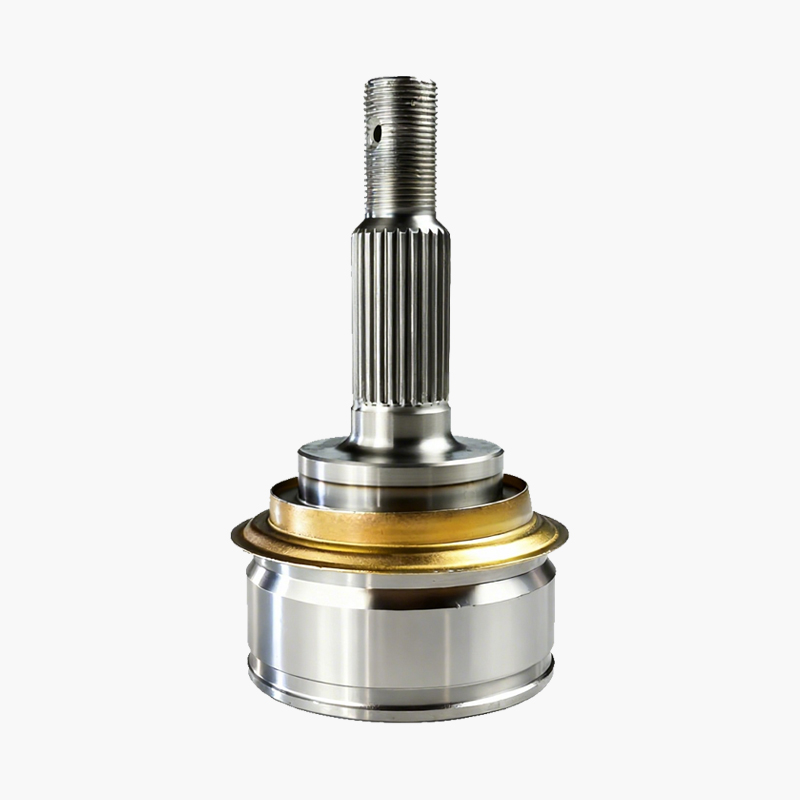
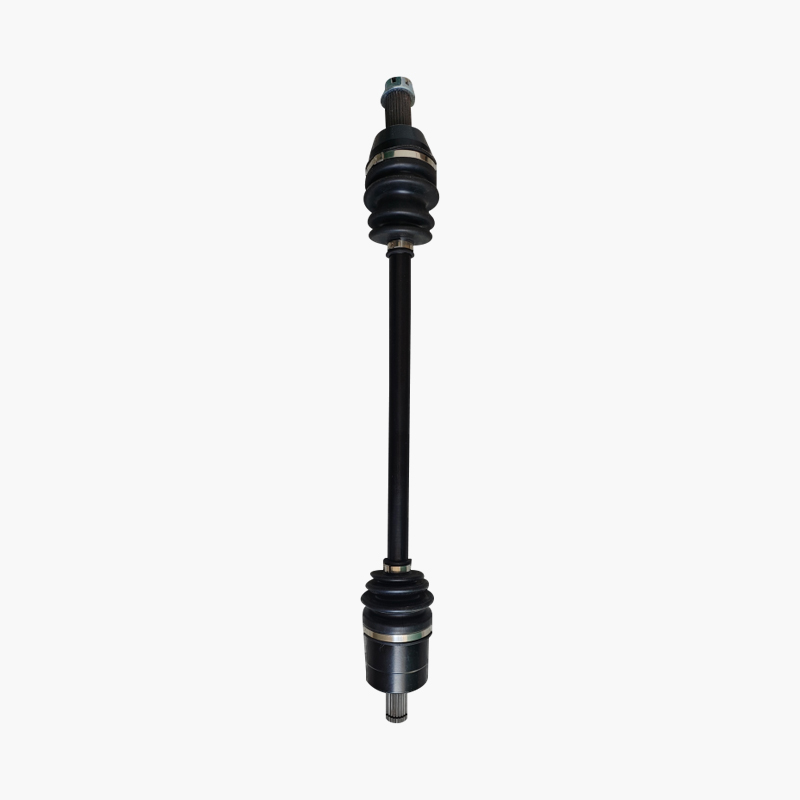
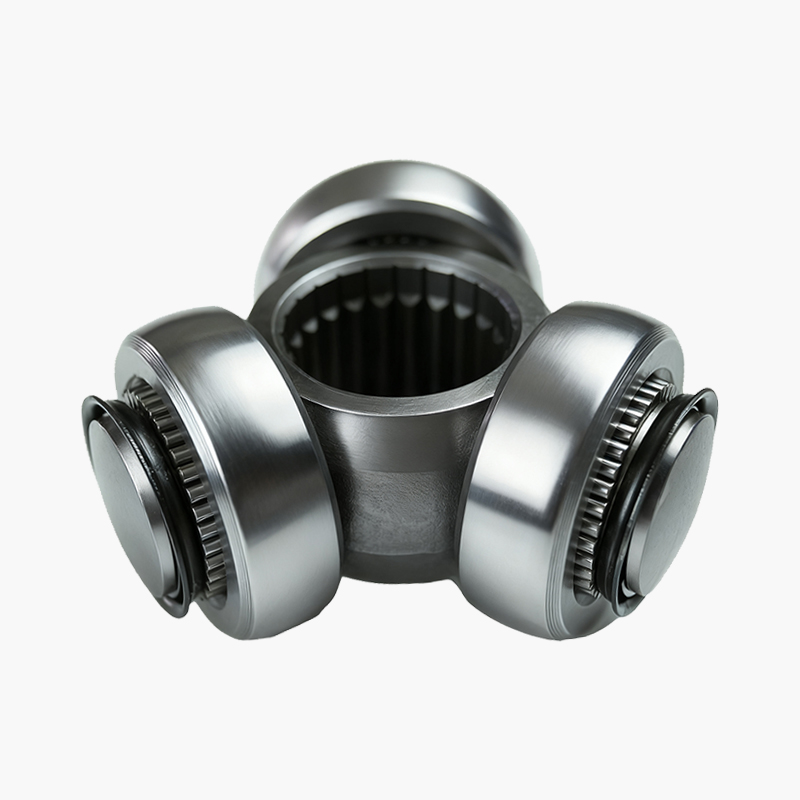
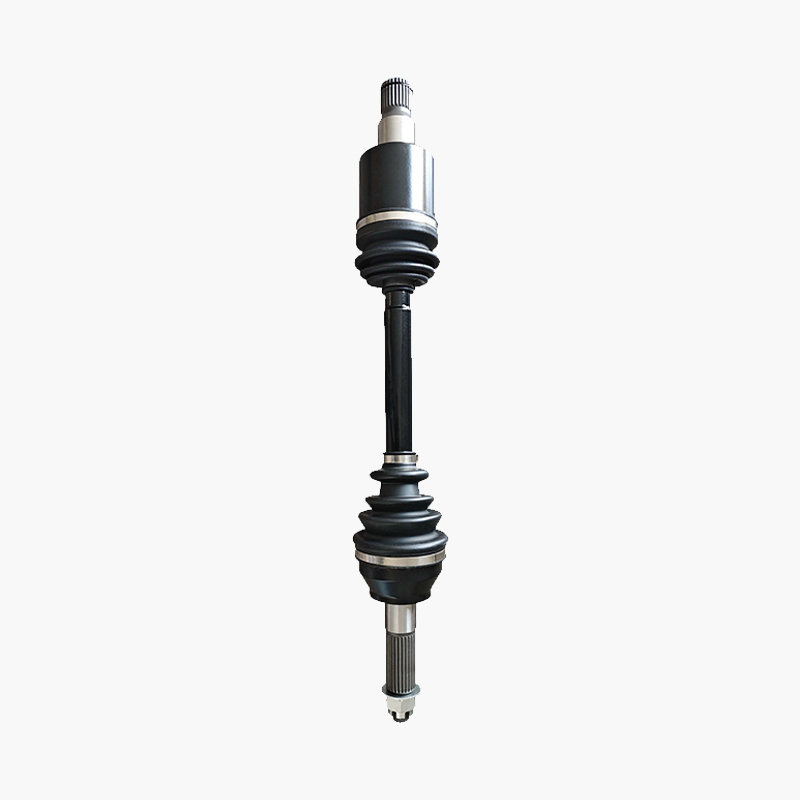
Inner ball cage type constant velocity universal joint
Introduction
In the Toyota Corolla's half-shaft assembly, the inner CV joint, inner ball cage, and automatic coupler parts form the "golden triangle" of power transmission. They not only determine driving smoothness but also directly affect vehicle safety and maintenance costs, playing an irreplaceable role in the entire drivetrain system.
1. Inner CV Joint – The "Flexible Joint" of Power Transmission
The inner CV joint connects the transmission differential to the half-shaft, responsible for continuously transmitting torque during wheel bounce and steering. The Corolla commonly uses a three-pin (Tripod) or Rzeppa (Rzeppa) inner CV joint, characterized by:
Large angle compensation capability: The maximum working angle can reach over 45°, adapting to the large movements of the MacPherson strut suspension and ensuring stable power delivery even in extreme driving conditions.
High load-bearing design: Made of carburized steel or medium carbon alloy steel, with an induction hardened surface, achieving a hardness of HRC 58-62, making it wear-resistant and impact-resistant to cope with long-term high-intensity use.
Choose a reinforced inner ball cage to say goodbye to acceleration vibration and cornering noise, making your Corolla as smooth as a new car.
2. Inner Ball Cage—The "Precision Track" for the Balls
The cage is a key component of the inner ball cage, positioned to hold the balls. It is typically made of high-strength nylon or powder metallurgy steel. Its core value lies in:
Precise Indexing: Ensuring that all six balls are always in the same plane, eliminating axial movement during operation, and maintaining the stability of power transmission.
Fatigue Life: High-quality cages can withstand millions of expansion and contraction cycles without deformation. Nylon cages have built-in lubrication micropores, while steel cages utilize oil grooves to enhance heat dissipation and reduce friction loss.
Marketing Highlights: *“Don't let inferior cages ‘eat’ your axles! Genuine nylon + fiberglass cages are wear-resistant, noise-reducing, and extend CV joint life by 30%.”*
3. Automatic Coupler Parts – The “Invisible Butler” of Intelligent Drivetrain
In some four-wheel-drive Corolla models (such as the Corolla Cross Hybrid) or drivetrains with limited-slip differentials, the automatic coupler is responsible for distributing torque between the front and rear axles as needed. Its core components include:
- Electromagnetic/hydraulic multi-plate clutch: Millisecond-level response, seamless switching from two-wheel drive to four-wheel drive, ensuring timely torque adjustment in complex road conditions.
- One-way cam mechanism and rollers: Achieve self-excited clamping, locking, even without electronic intervention, providing reliable power distribution when needed.
- Upgrade to a high-response automatic coupler kit for a stable ride on slippery surfaces and effortless light obstacle removal – injecting off-road DNA into family cars.
4. Industry Trends and Product Selection Recommendations
OE Replacement Boom: With original equipment manufacturer (OEM) parts prices remaining high, high-quality third-party brands (such as GKN and NTN component suppliers) are becoming the preferred choice for independent repair shops for their inner CV joint assemblies and cages, thanks to their cost-effectiveness and reliable quality.
Repair Pain Points: After 100,000 kilometers, Corollas often experience issues such as damaged inner CV joint dust boots, leading to grease leakage and abnormal wear and noise. Therefore, preventative replacement of the cage and dust boot kit saves 60% of the cost compared to replacing the entire half-shaft.
The inner CV joint transmits power, the cage provides precise restraint, and the automatic coupler intelligently distributes power—these three components work together to create the Corolla's reliable reputation for "millions of kilometers without major repairs." Choosing certified parts means choosing to continue this legendary success.

 English
 русский
 Español
 Português
 عربى
عربى