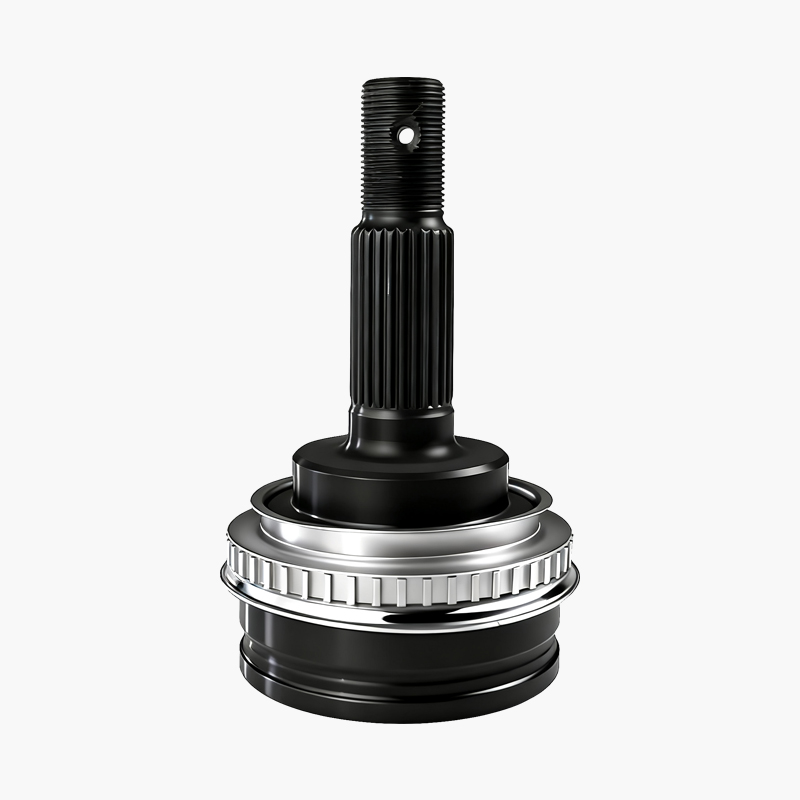
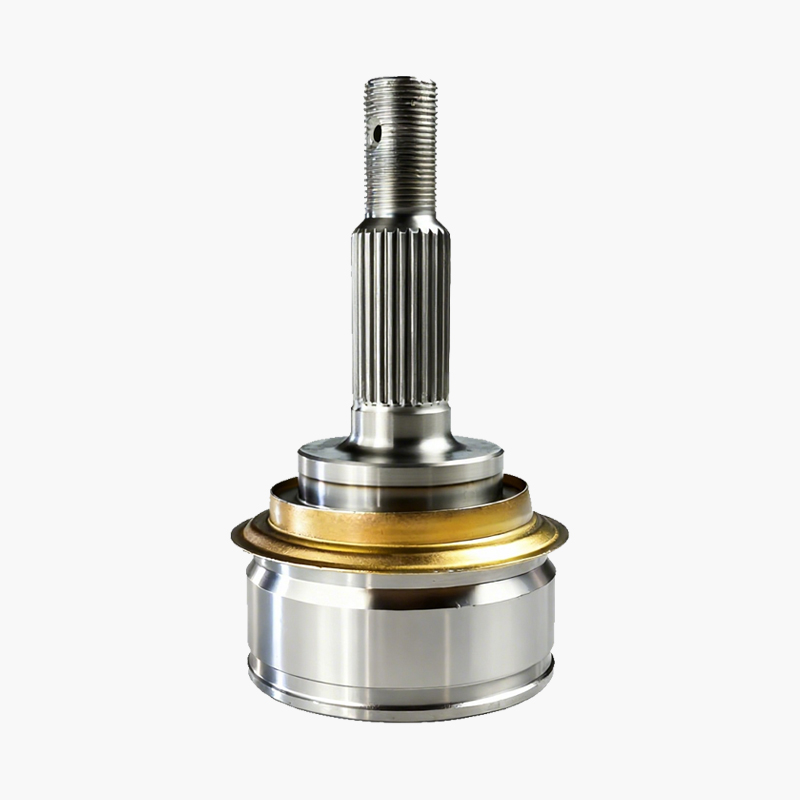
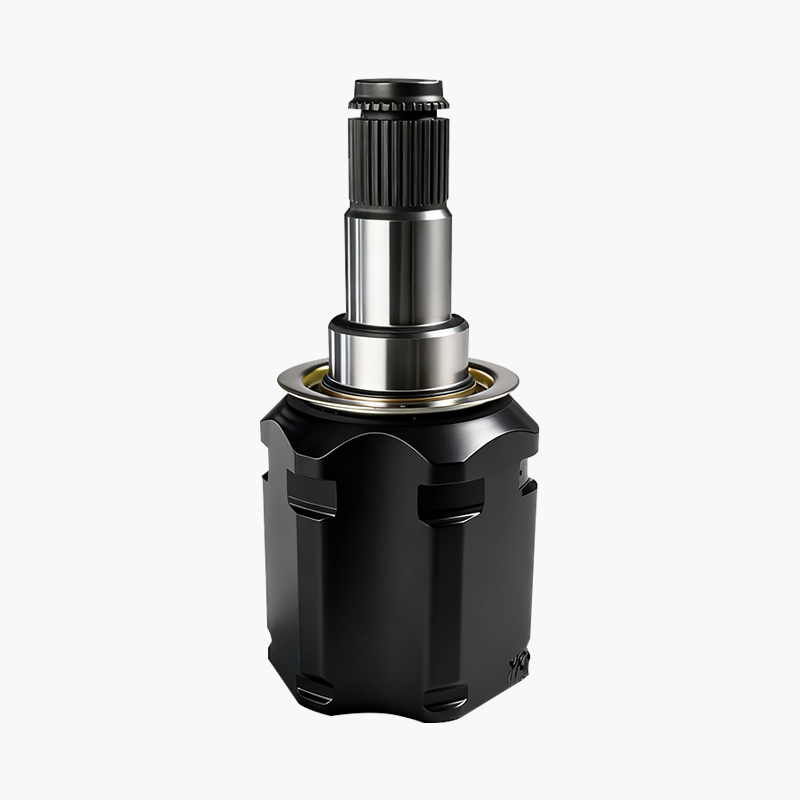
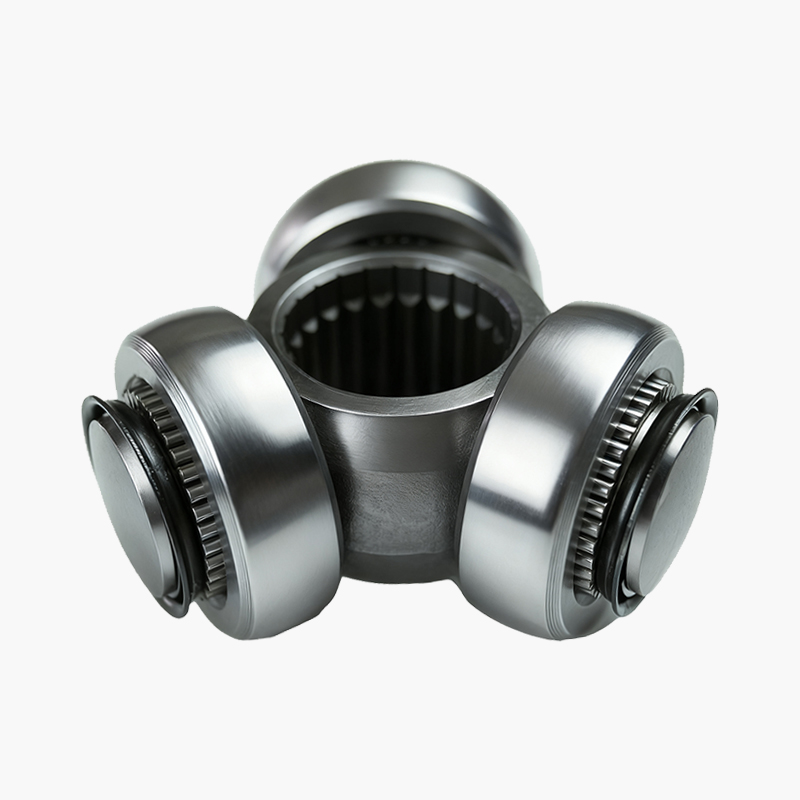
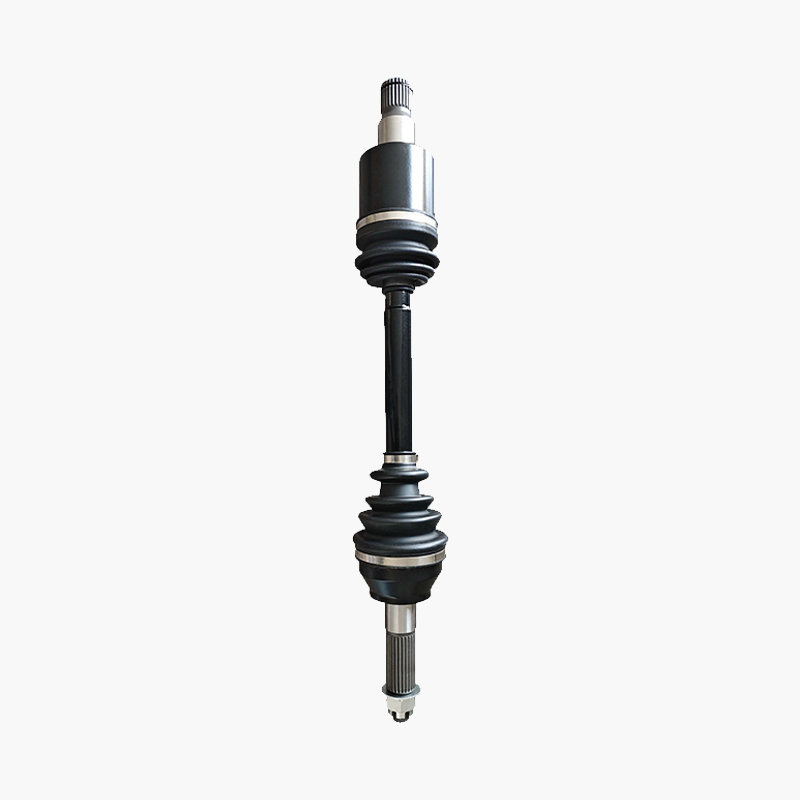
The demand for stable and durable drivetrain components is increasing as vehicle platforms become more complex and manufacturers focus on improving driving comfort and mechanical efficiency. An experienced Intermediate Shaft Factory understands that buyers are not only looking for a component supplier but also reliable solutions that can reduce vibration, improve transmission performance, and support long-term vehicle operation. From material selection to machining accuracy, every detail of an intermediate shaft affects the overall performance of the drivetrain system.
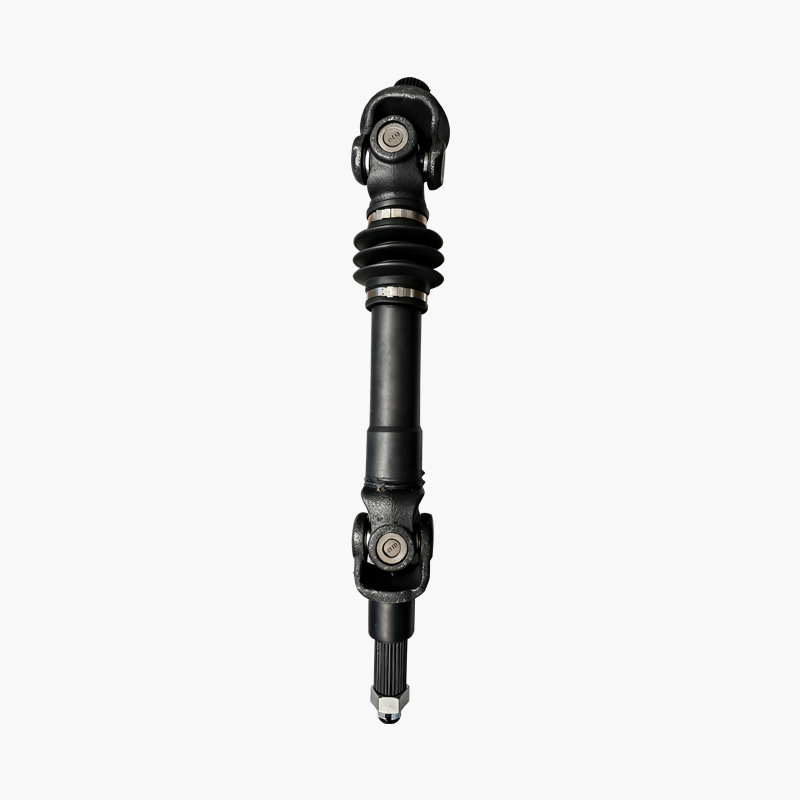
Growing Attention on Shaft Performance in Vehicle Applications
With the development of passenger vehicles, commercial vehicles, and new energy models, drivetrain components are facing changing requirements. Engineers are paying more attention to factors such as torsional strength, balance performance, and resistance to repeated stress. Intermediate shafts play an important role in transferring power between different sections of the drivetrain, especially in systems where precise rotation control is required.
Many purchasing teams are now searching for intermediate shaft suppliers that can provide stable quality, consistent production processes, and customization support for different vehicle applications. These needs have encouraged component producers to improve their manufacturing methods and quality management systems.
Common Challenges During Intermediate Shaft Selection
Selecting the right intermediate shaft requires more than checking dimensions. Many buyers encounter issues related to compatibility, surface treatment, and service life when choosing components for different projects.
Key points often considered during procurement include:
A suitable shaft solution helps reduce unexpected maintenance problems and improves the reliability of the complete mechanical system.
Precision Manufacturing Supports Better Assembly Results
For engineers, dimensional accuracy is one of the important factors when evaluating intermediate shaft quality. Small variations in shaft geometry may influence alignment, noise levels, and vibration during operation.
Modern processing methods, including precision machining and strict inspection procedures, help maintain stable product performance. When working with an Intermediate Shaft Factory, buyers usually focus on whether production capabilities can meet technical drawings, tolerance requirements, and project-specific specifications.
Material Choices Influence Long-Term Performance
Different applications require different material characteristics. Automotive and industrial equipment projects may need shafts with good strength, fatigue resistance, and suitable hardness depending on working conditions.
Choosing the proper material helps balance performance and production cost. Professional technical teams usually evaluate application environments, rotational speed, load conditions, and assembly requirements before confirming the final shaft design.
Customization Needs Are Increasing Among Global Buyers
Global buyers are showing more interest in customized drivetrain components instead of standard products only. Vehicle manufacturers and engineering companies often need adjustments in shaft length, connection structure, surface treatment, or packaging methods to match their production systems.
A flexible supply process allows companies to respond more efficiently to different project requirements. Clear technical communication and accurate drawing review also help avoid delays during development and mass production stages.
Quality Control Becomes a Key Purchasing Consideration
For international procurement teams, quality stability is an important factor when building long-term supply relationships. Buyers commonly review inspection processes, production management, and sample approval procedures before placing larger orders.
Reliable quality control helps ensure that each batch maintains similar performance characteristics. This is especially important for industries where mechanical components operate under continuous working conditions and require dependable operation.
Future Trends in Intermediate Shaft Applications
As vehicle technology continues to develop, drivetrain components are expected to meet new requirements related to efficiency, lightweight design, and improved durability. Engineers are exploring solutions that support better power transmission while maintaining practical manufacturing processes.
Companies looking for dependable drivetrain components should evaluate technical capability, customization options, and production consistency together. Working with a professional Intermediate Shaft Factory can help automotive and industrial buyers achieve stable component performance while supporting future product development needs.
contact us

Product
INFORMATION
+86-576-87243246
+86-13867673238
+86-576-87278966
Gongcheng North Industrial Zone, Yuhuan City, Zhejiang Province, China

 English
 русский
 Español
 Português
 عربى
عربى