Constant Velocity (CV) Axle Industry knowledge expansion
I. What is a CV Axle?
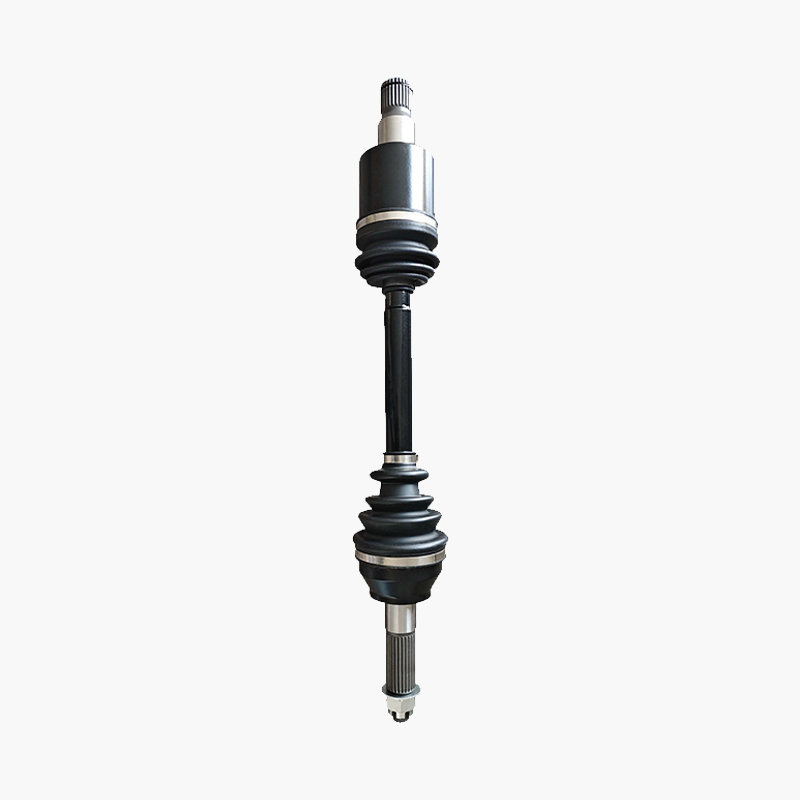
A CV Axle (Constant Velocity Half-Shaft) is a critical component within a vehicle's drivetrain system. Its function is to smoothly transmit engine power—originating from the transmission or differential—to the drive wheels, even while the vehicle is undergoing various steering angles and suspension movements.
Its core characteristic is:
It maintains "constant velocity transmission"—ensuring a steady transfer of power—even during steering maneuvers and vertical suspension travel.
II. Basic Structure of a CV Axle
A standard CV axle typically consists of the following components:
1. Inner CV Joint (Inner Constant Velocity Universal Joint)
- Connects to the transmission/differential.
- Accommodates axial displacement (compensating for suspension movement).
- Common Type: Tripod Joint.
2. Outer CV Joint
- Connects to the wheel hub assembly.
- Accommodates changes in steering angle.
- Common Type: Rzeppa Joint (Ball-type CV Joint).
3. Axle Shaft (Half-Shaft)
- The central shaft is responsible for transmitting torque.
- Material: Typically alloy steel (e.g., 40Cr, SAE 4140, 4340).
4. CV Boot (Protective Cover)
- Prevents the ingress of moisture, dirt, and debris.
- Material: CR Rubber / TPE / TPU.
5. Grease (Lubricant)
- Provides high-temperature lubrication and wear resistance.
- Prevents premature wear of the CV joints and eliminates abnormal noises.
III. Working Principle
The core working principle of a CV Axle is as follows:
By utilizing the movement of steel balls within the internal tracks of the CV joints, it achieves constant velocity power transmission between the input shaft and the output shaft, even when they are operating at varying angles relative to one another. During operation, the assembly must accommodate specific types of motion:
- Rotational motion (torque transmission)
- Angular variation (steering angle)
- Axial displacement (suspension travel)
IV. Main Types of Constant Velocity (CV) Axles
1. FWD (Front-Wheel Drive) Half-Shafts
- Typically supplied as a pair (left/right)
- Compact structure
- Lower cost
2. AWD/4WD Half-Shafts
- Suitable for use on both front and rear axles
- Designed for more demanding terrain
- More complex structure
3. Heavy-Duty CV Axles (Heavy-Load Type)
- Suitable for SUVs, pickup trucks, and off-road vehicles
- Reinforced CV joints and axle shafts
- Higher load-bearing capacity
4. Performance CV Axles (High-Performance Type)
- Designed for sports cars or racing vehicles
- Capable of larger operating angles
- High-strength, lightweight design
V. Key Industry Technical Specifications
1. Torque-Bearing Capacity
- Standard Passenger Vehicles: 1,500–2,500 Nm
- SUVs/Off-Road Vehicles: 2,500–5,000+ Nm
- Heavy-Duty Vehicles: Higher, customized specifications
2. Operating Angle
- Standard Type: 40°–45°
- High-Angle Type: 50°–60°
3. Design Requirements
- Bench Test Durability: 100,000–300,000 km
- Salt Spray Test: ≥480 hours (corrosion resistance)
- High/Low Temperature Cycling: -40°C to +120°C
VI. Materials and Manufacturing Processes
1. Axle Shaft Materials
- Common Materials:40Cr (Economical)、42CrMo (Mid-to-High End)、4340 (High-Strength)
- Processes: Hot forging, Quenching and tempering (heat treatment), Surface induction hardening
2. CV Joint Cages and Raceways
- Material: GCr15 Bearing Steel
- Processes: Precision grinding + Carburizing treatment, requires high hardness and wear resistance
3. Boots (Protective Covers)
- CR (Oil- and heat-resistant rubber)
- TPE (Eco-friendly and lightweight)
- TPU (High elasticity)
VII. Common Failure Modes (Industry Focus)
CV axles are high-load moving components; common failure modes include:
- Boot Rupture: Leads to loss of lubricating grease, allowing contaminants to enter the CV joint.
- CV Joint Fatigue: Produces a distinct "clicking" sound (particularly noticeable during steering), high-speed vibration
- Half-shaft Deformation:High-speed vibration、Dynamic balance failure
- Spline Fatigue: Interrupted power transmission、Slippage during vehicle launch
VIII. Industry Application Fields
- Broad Applications of CV Axles:
- Passenger Vehicles (Sedans/SUVs)
- Off-road Vehicles
- Light Trucks
- New Energy Electric Vehicles (EV Drive Axles)
- Agricultural and Specialty Vehicles
IX. Market and Foreign Trade Sector Characteristics
1. Global Market Demand
- Primarily concentrated in:
- North America (SUVs/Pickup Trucks)
- Europe (Passenger Cars/AWD Vehicles)
- The Middle East (Off-road Vehicles)
- South America (Aftermarket Replacement Sector)
2. Procurement Characteristics
- Customers typically prioritize:
- OE Number Matching (OE Replacement)
- Application Coverage
- Quality Certification (IATF 16949)
- Packaging and Branding Customization (Private Labeling)
3. Key Factors for Product Competitiveness
- Inventory Availability
- Price Control
- Vehicle Fitment Accuracy
- Delivery Stability
X. Industry Development Trends
1. Lightweight Design
- Hollow Shafts
- High-strength, low-weight materials
2. Electric Vehicle Integration
- Adaptability to high instantaneous power output
- Higher durability requirements
3. NVH Optimization
- Reduction of vibration and noise
- Enhancement of driving comfort
4. Modular Half-shaft Assemblies
- Ease of maintenance and replacement
- Reduction of aftermarket service costs
Driven by the growth of SUVs and New Energy Vehicles, CV half-shafts are evolving toward:
Higher strength, lighter weight, and greater reliability.

 English
 русский
 Español
 Português
 عربى
عربى