Supporting Vehicle Power and Comfort: The Synergistic Effect of Three Major CV Components
In modern automotive drivetrain systems, three terms, though different in expression, collectively underpin half of the vehicle's power output and ride comfort. These are: CV Joint (Constant Velocity Joint), Front Drive Shaft CV Joint (Front Drive Shaft Constant Velocity Joint), and CV Drive Joint Shaft (Constant Velocity Joint Driveshaft Assembly). Understanding the differences and connections between these three is crucial for professionals to select the right products and improve repair quality.
I. CV Joint: The "Core" of All-Wheel Drive
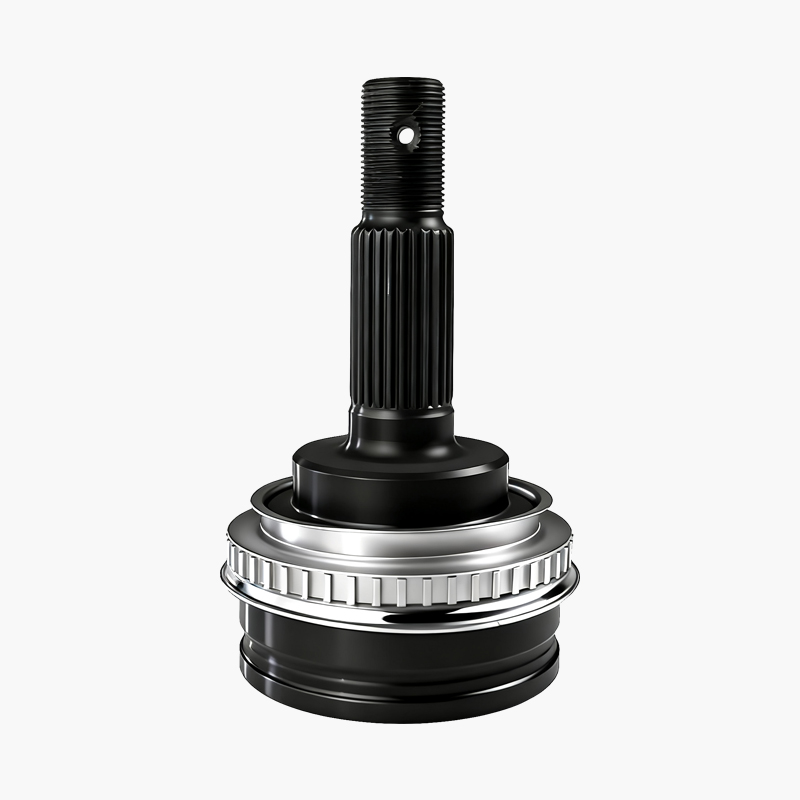
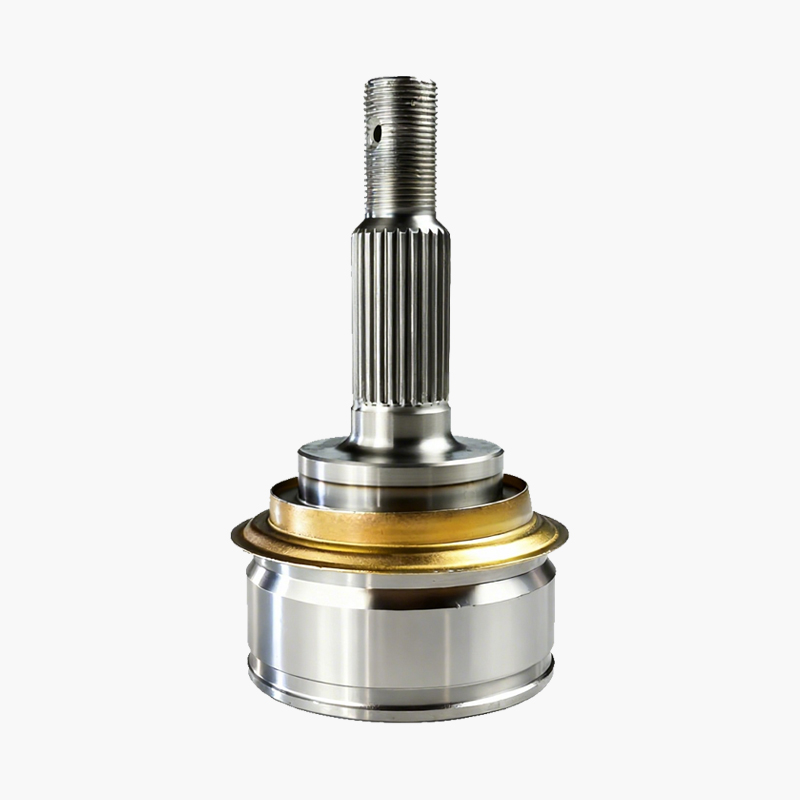
The CV Joint (Constant Velocity Joint) is the technological soul of the entire system. It solves the problems of uneven rotation speed and significant vibration when the angle changes in traditional cross-shaft universal joints—regardless of the steering wheel's movement, the output shaft always maintains the same angular velocity as the input shaft.
Smooth Power Transmission: Eliminates acceleration jerks and cornering noises, making front-wheel drive and four-wheel drive vehicles as smooth as silk.
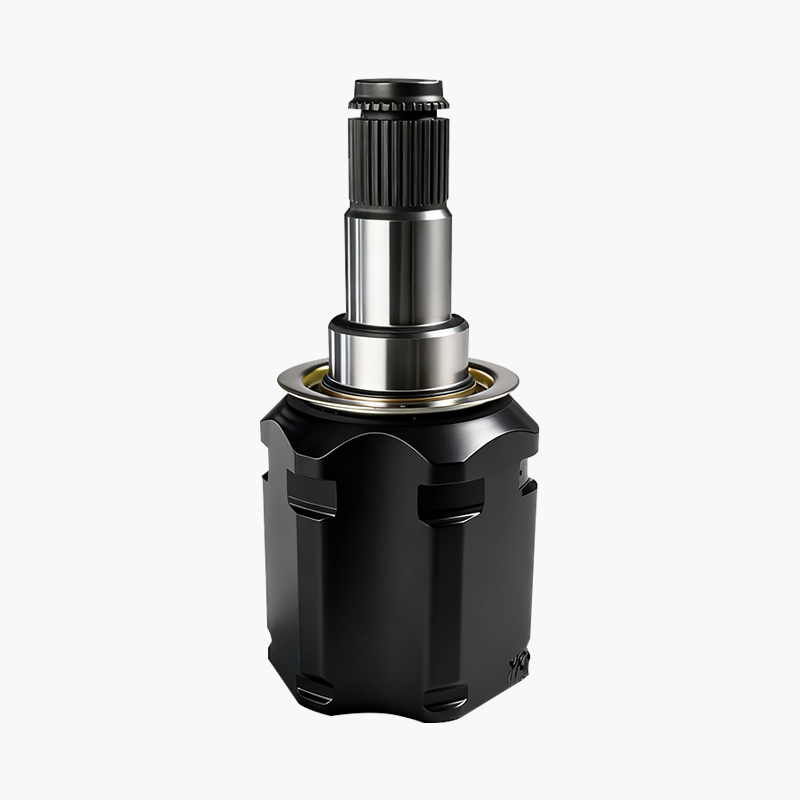
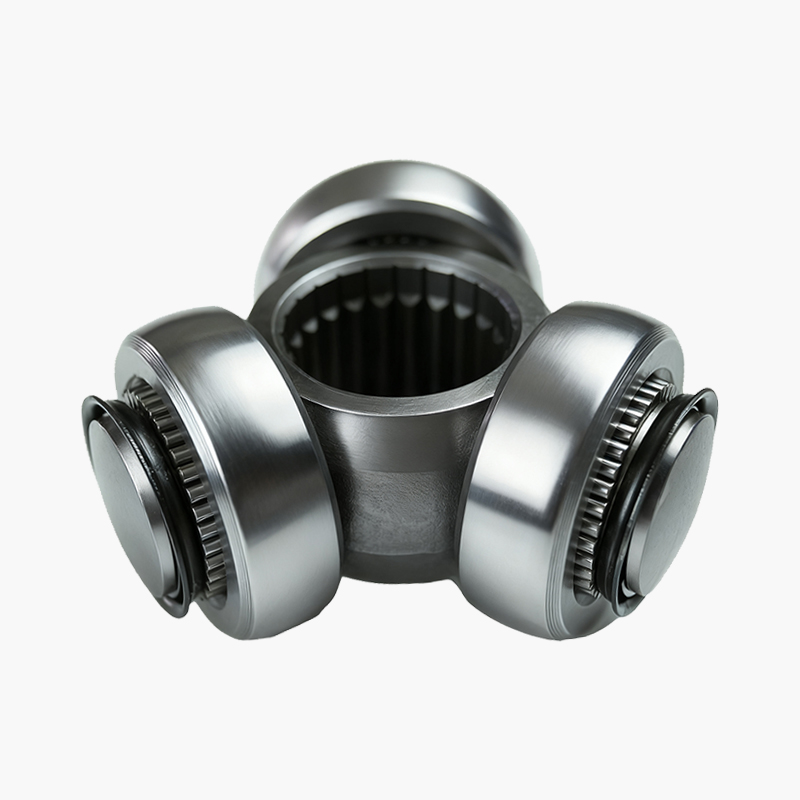
Two main structural types: Rzeppa (ball cage type) for the outer steering wheel, and Tripod (three-pin type) for the inner suspension telescopic end. Precise matching increases lifespan by over 30%.
II. Front Drive Shaft CV Joint: The "Steering Guardian" of the Front-Wheel Drive System
The Front Drive Shaft CV Joint specifically refers to the constant velocity joint mounted on the front drive axle, typically consisting of an outer ball cage (connecting the wheel hub) and an inner ball cage (connecting the transmission differential). It is the most easily worn core component of the front axle in front-wheel drive (FF) and four-wheel drive (AWD/4WD) vehicles.
Uncompromising Large Angle: Maximum working angle reaches 47°~52°, maintaining stability even during U-turns and extreme steering.
Dust Boots are Lifespan: 90% of early failures originate from dust boot rupture. We recommend using a fully sealed assembly with high-elasticity TPE or silicone dust boots and high-temperature resistant grease; one replacement provides a 100,000 km warranty.
Eliminating the "clicking sound when turning the steering wheel": The professional-grade Front Drive Shaft CV Joint uses precision-hardened steel balls and induction-hardened grooves, offering significantly higher impact resistance than aftermarket parts.
III. CV Drive Joint Shaft: An integrated solution from "joint" to "whole arm."
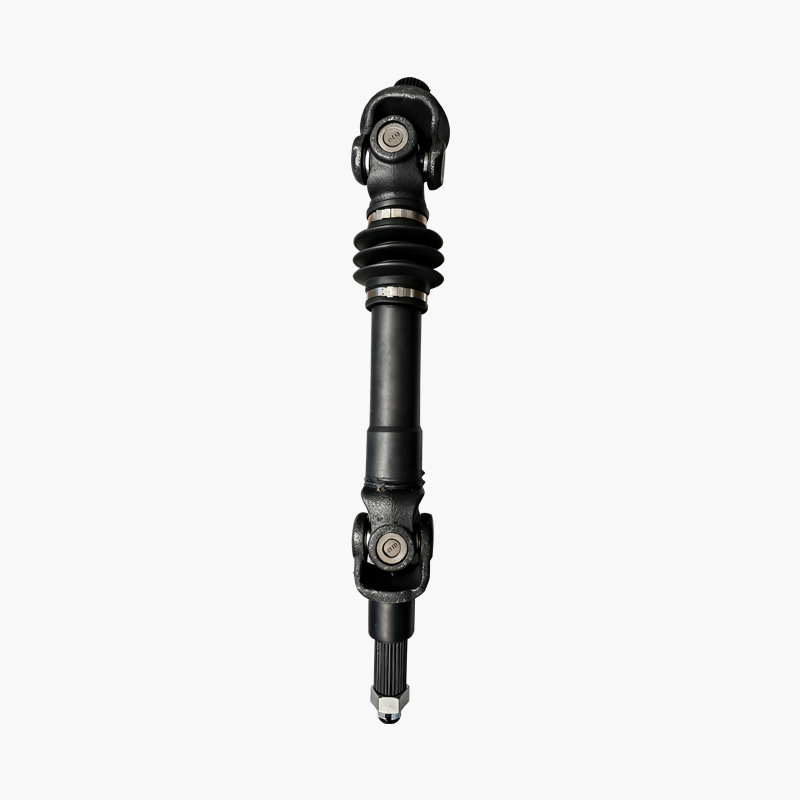
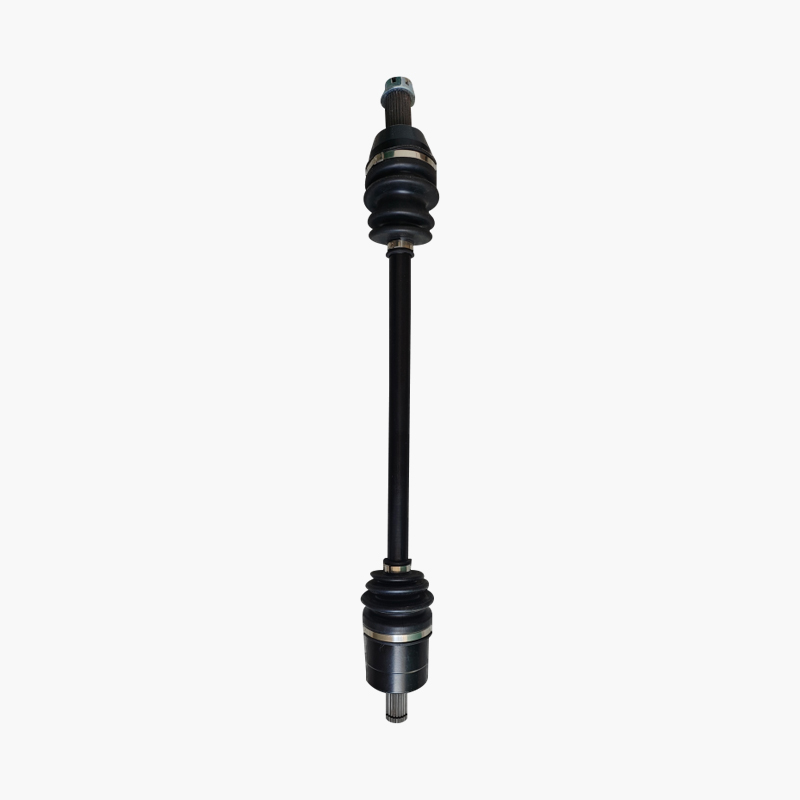
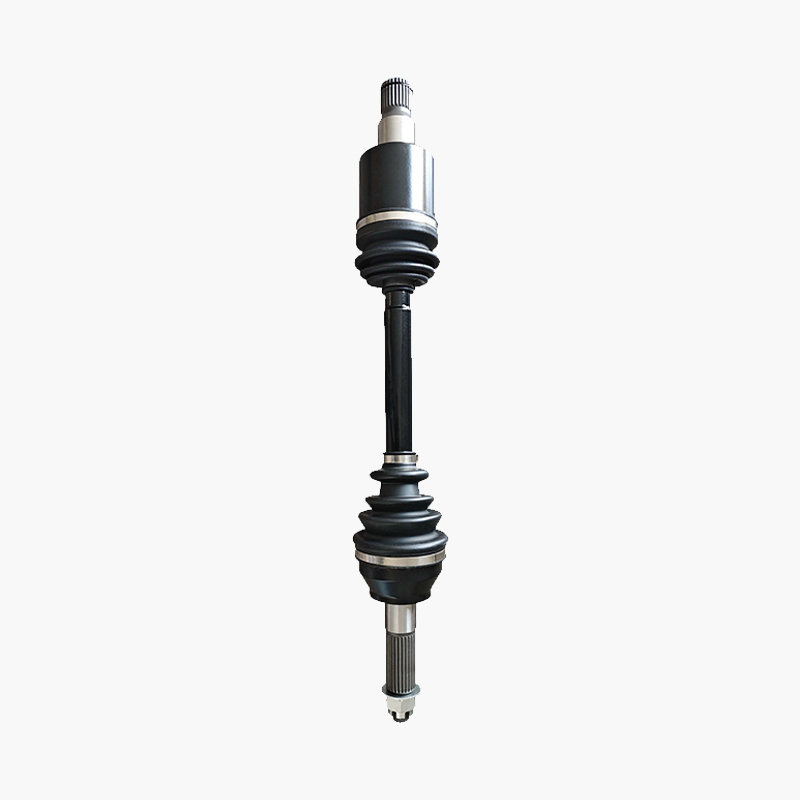
If the CV Joint is the "joint," then the CV Drive Joint Shaft is a complete drive shaft assembly including left and right half-shafts, inner and outer constant velocity universal joints, an intermediate shaft (if applicable), dust covers, and shock-absorbing rubber.
Original factory matching, eliminating assembly risks: Replacing a single universal joint can easily introduce installation errors, insufficient lubrication, and misaligned retainer rings. The assembly is dynamically balanced and has axial clearance set before leaving the factory, allowing for immediate use and saving 40% on labor costs.
Addressing high torque and the new energy trend: With the instantaneous torque surge in electric and hybrid vehicles, the new generation CV Drive Joint Shaft uses reinforced star-shaped bushings and high-nickel alloy steel cages, increasing torsional strength by 50% and eliminating the risk of half-shaft breakage when flooring the accelerator.
A Blue Ocean in the Aftermarket: Front-wheel drive and four-wheel drive vehicles often experience acceleration vibrations, cornering noises, and oil leaks after 80,000 to 120,000 kilometers. We recommend replacing the entire CV Drive Joint Shaft assembly. This high-value, low-complaint-repeat service is the top choice for repair shops to enhance their professional image.
IV. Three-in-One, Decisive Powertrain Solution
- CV Joint – The Cornerstone of Technology; Understanding It is Key to Understanding Failure Modes.
- Front Drive Shaft CV Joint – Precisely targets front-wheel drive scenarios, resolving 90% of steering noise complaints.
- CV Drive Joint Shaft – The Ultimate Delivery Solution; One Replacement Fully Restores Chassis Performance.

 English
 русский
 Español
 Português
 عربى
عربى