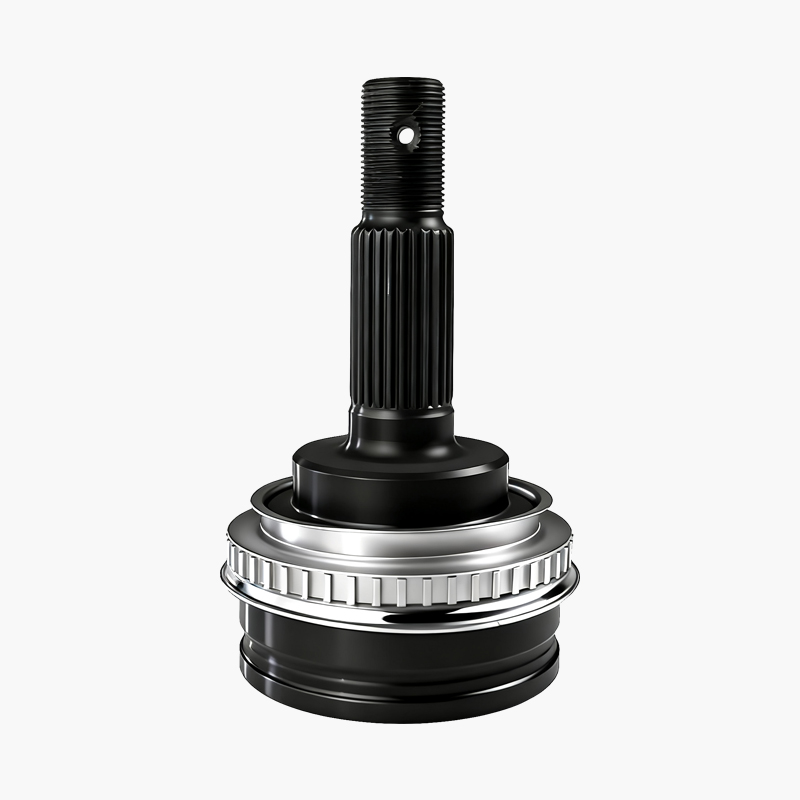
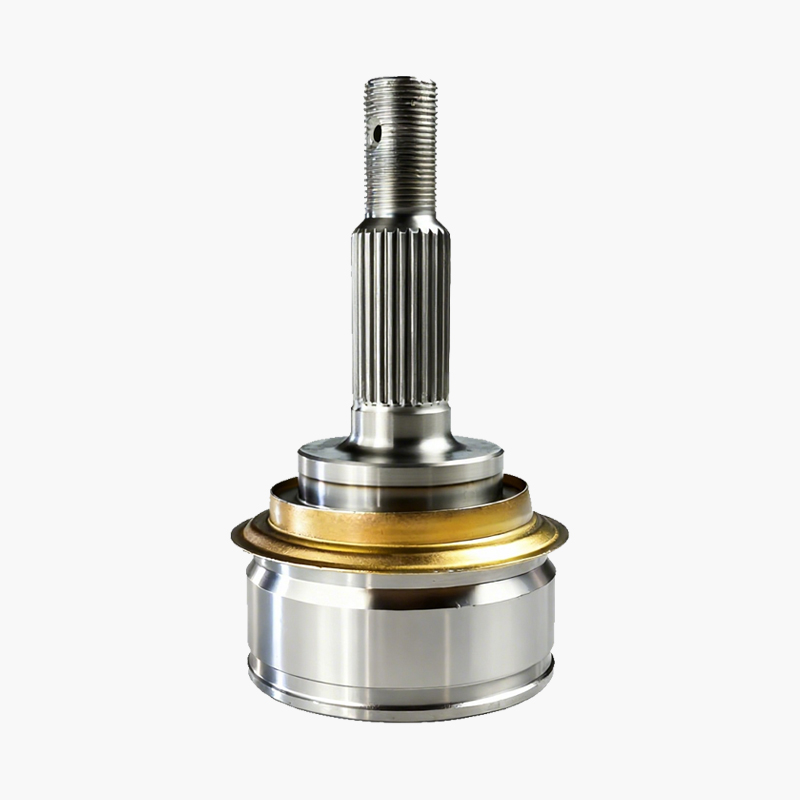
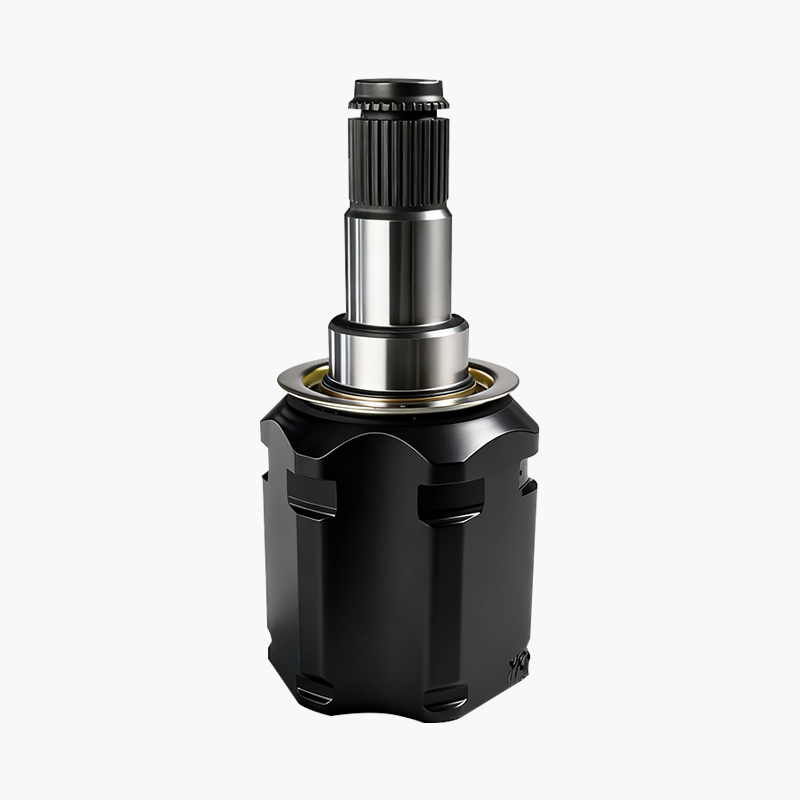
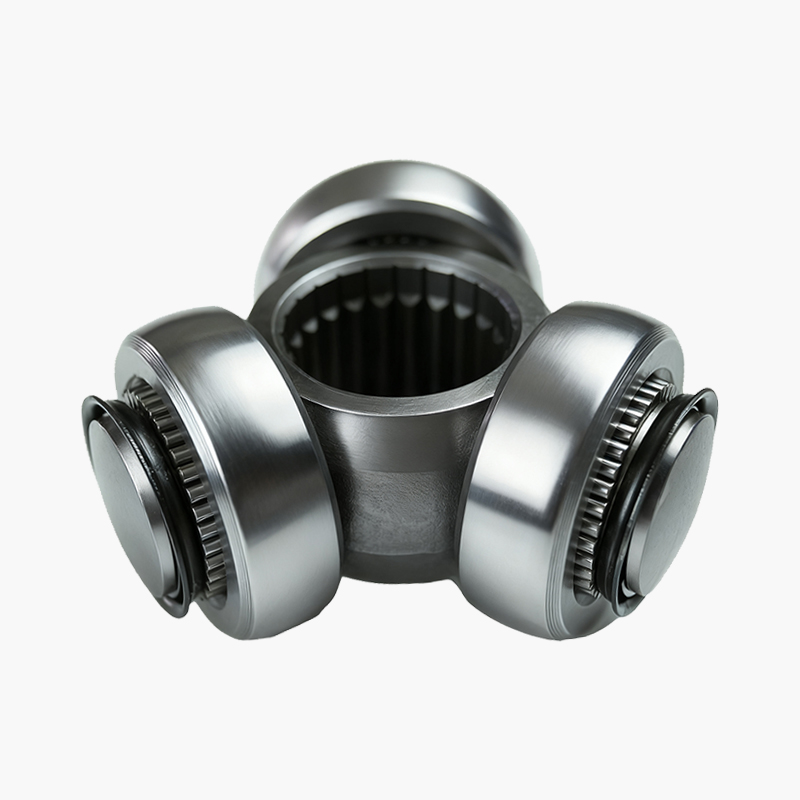
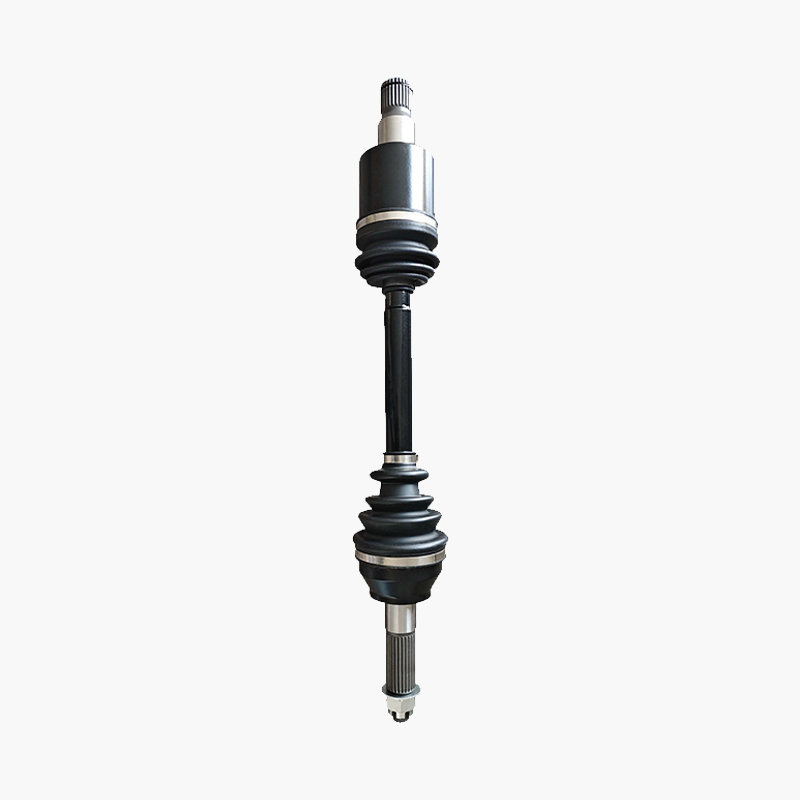
In modern vehicle and industrial equipment systems, transmission efficiency, durability, and stable power delivery depend heavily on the quality of key mechanical components. As global manufacturers focus on reducing maintenance costs and improving assembly performance, sourcing from a reliable Intermediate Shaft Factory has become an important consideration for automotive suppliers and engineering teams. Buyers are increasingly looking for precision machining capabilities, material consistency, and customized solutions that can meet different application requirements.
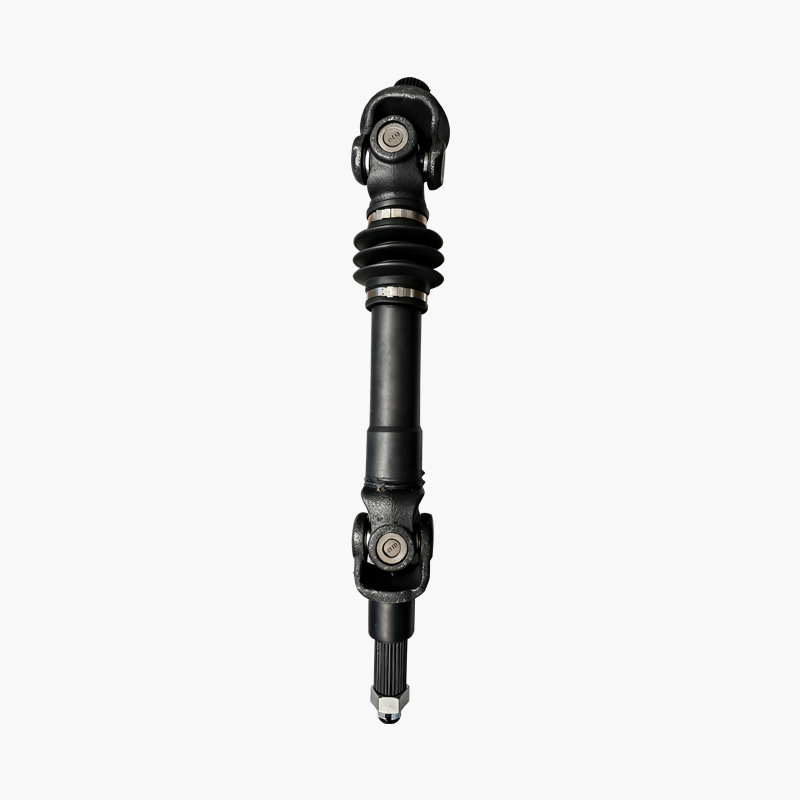
Growing Demand for High-Precision Shaft Components
The intermediate shaft plays an important role in transferring torque between different transmission components while maintaining smooth mechanical operation. In automotive, agricultural machinery, and industrial equipment applications, even small dimensional deviations may affect vibration levels, noise performance, and service life.
International buyers are paying closer attention to manufacturing details such as machining accuracy, heat treatment processes, surface finishing, and quality inspection procedures. An experienced intermediate shaft supplier can help customers reduce production risks by providing stable components designed for specific operating conditions.
Addressing Common Challenges in Shaft Procurement
Many purchasing teams face challenges when selecting transmission components from overseas suppliers. Common concerns include inconsistent dimensions between production batches, unsuitable materials, limited customization support, and difficulties in coordinating technical requirements.
A professional manufacturing partner focuses on solving these issues through:
These capabilities allow engineers and procurement managers to achieve better compatibility between shafts and complete mechanical systems.
Material Selection and Manufacturing Process Influence
The performance of an intermediate shaft is closely connected with material properties and production technology. Different applications may require different levels of strength, wear resistance, and fatigue performance.
Manufacturers usually evaluate factors such as:
By combining suitable materials with controlled manufacturing processes, an Intermediate Shaft Factory can provide components that support long-term operation in demanding environments.
Custom Solutions for Different Industrial Applications
Standard shaft designs may not always match the requirements of every customer project. Automotive component manufacturers, machinery builders, and equipment producers often need customized dimensions, structures, or connection methods.
A capable manufacturer can assist with:
This type of cooperation helps overseas buyers shorten development cycles and create more efficient supply chains.
Quality Control Supports Stable Global Supply
For international buyers, product consistency is a key factor when choosing a mechanical component supplier. A dependable quality management system helps ensure that every batch meets agreed technical requirements.
Manufacturers generally focus on inspection areas including dimensional measurement, material verification, hardness testing, and appearance checks. These steps help identify potential problems before components enter final assembly lines.
For companies purchasing transmission parts in large quantities, stable quality control reduces unexpected production interruptions and supports smoother manufacturing operations.
Manufacturing Trends Shaping Intermediate Shaft Supply
The global mechanical parts market is moving toward higher precision, shorter delivery cycles, and stronger customization capability. Automotive electrification, smart manufacturing, and equipment upgrades are encouraging suppliers to improve machining technology and production flexibility.
Overseas buyers are also paying more attention to supplier transparency, production capabilities, and long-term cooperation potential. Manufacturers that combine engineering support with efficient production management are better positioned to support international projects.
Choosing a Reliable Partner for Long-Term Cooperation
Selecting the right shaft manufacturer requires more than comparing product prices. Buyers need to evaluate technical experience, production processes, quality control systems, and communication efficiency. A professional Intermediate Shaft Factory can provide customized manufacturing support, stable product performance, and reliable cooperation for automotive and industrial applications.
By focusing on precision production, engineering collaboration, and customer-specific solutions, manufacturers can help global partners improve equipment reliability and build stronger supply networks.
contact us

Product
INFORMATION
+86-576-87243246
+86-13867673238
+86-576-87278966
Gongcheng North Industrial Zone, Yuhuan City, Zhejiang Province, China

 English
 русский
 Español
 Português
 عربى
عربى