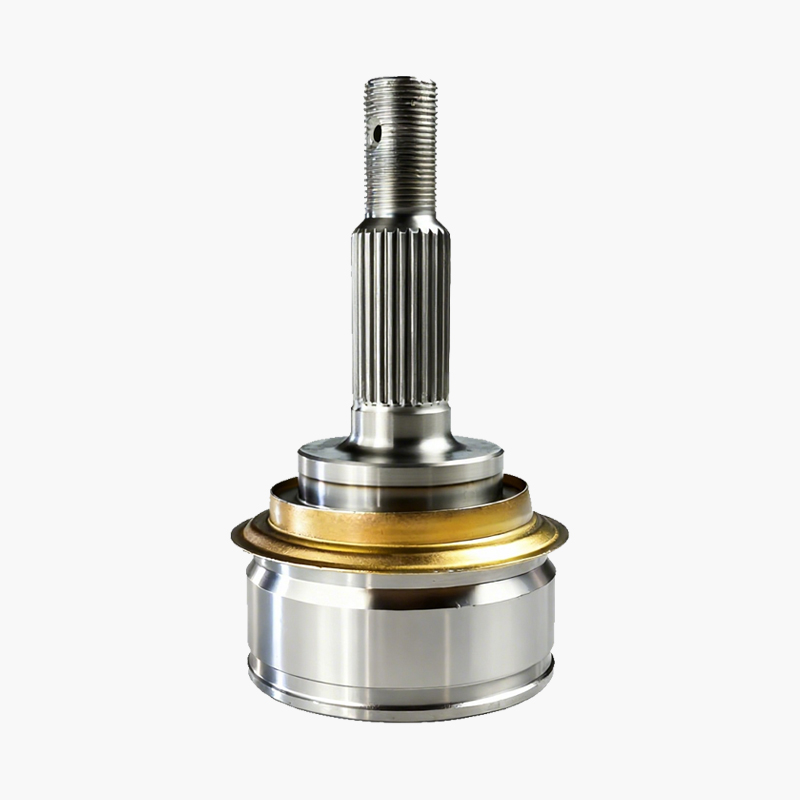
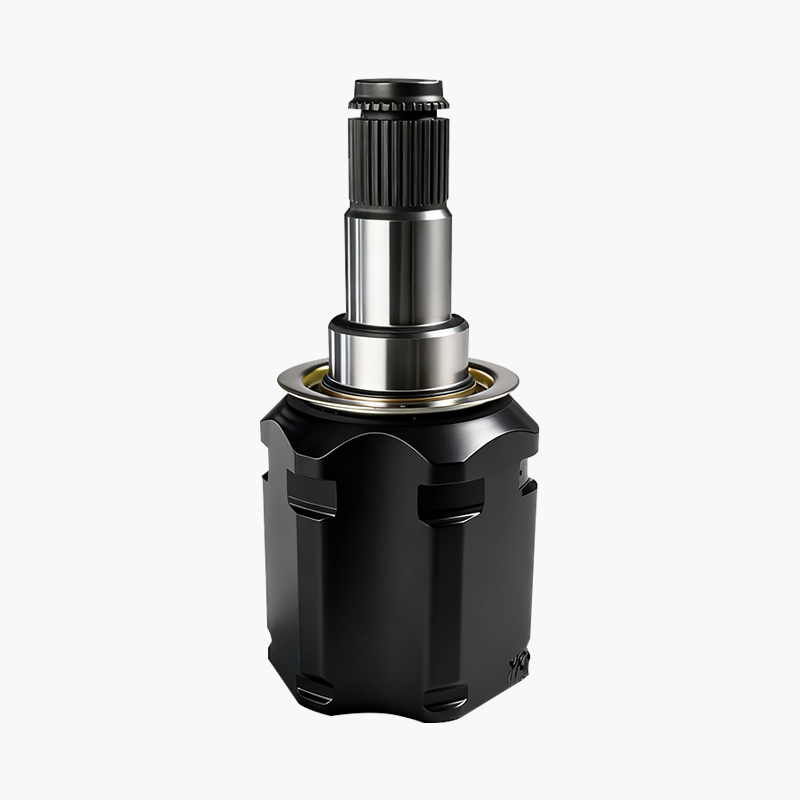
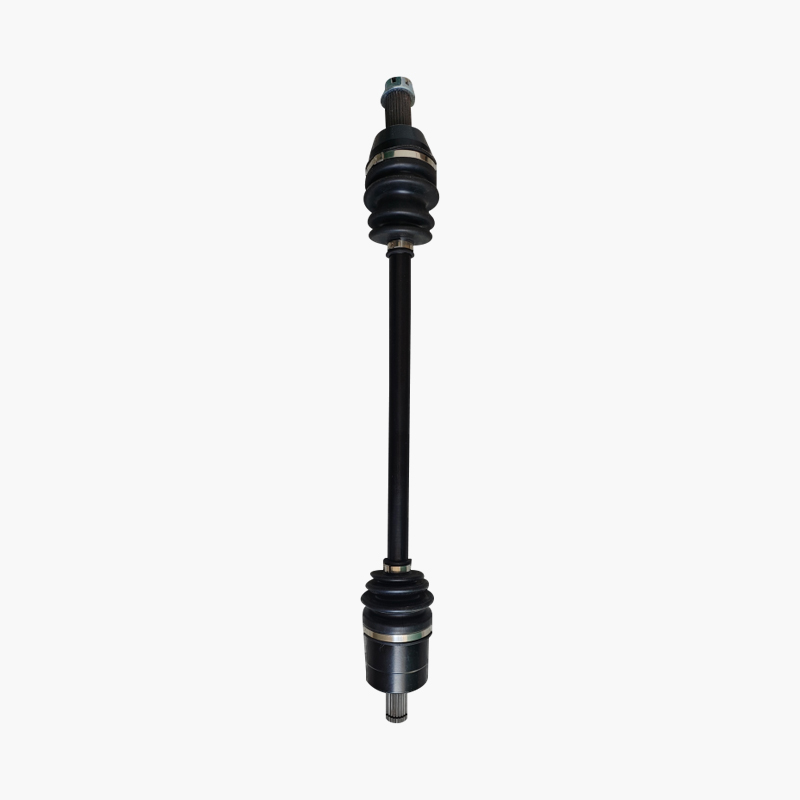
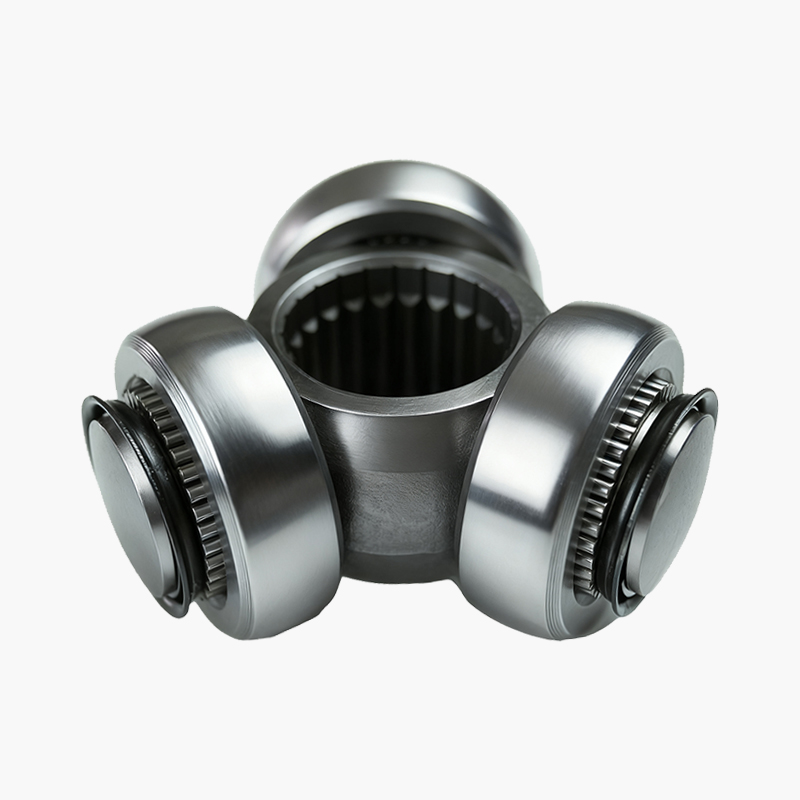
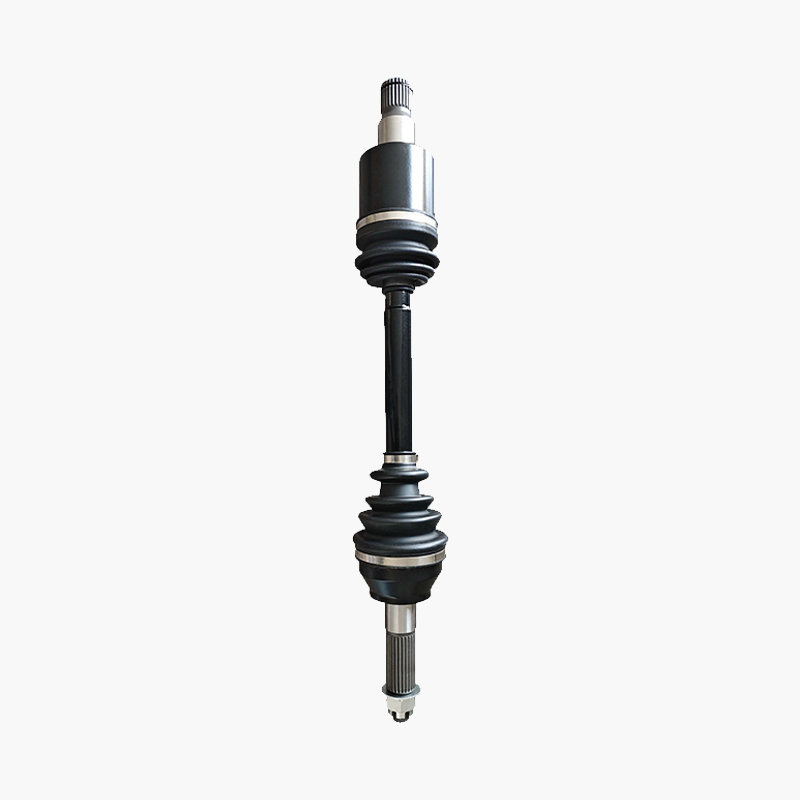
As automotive manufacturers continue to improve vehicle efficiency and driving comfort, mechanical components need to achieve better coordination with modern assembly systems. For engineers and purchasing teams, choosing an Intermediate Shaft Manufacturer involves evaluating production technology, quality consistency, and engineering support rather than only focusing on product cost. A dependable supplier should understand how shaft performance affects steering systems, drivetrain structures, and overall vehicle operation while providing practical solutions for different project requirements.
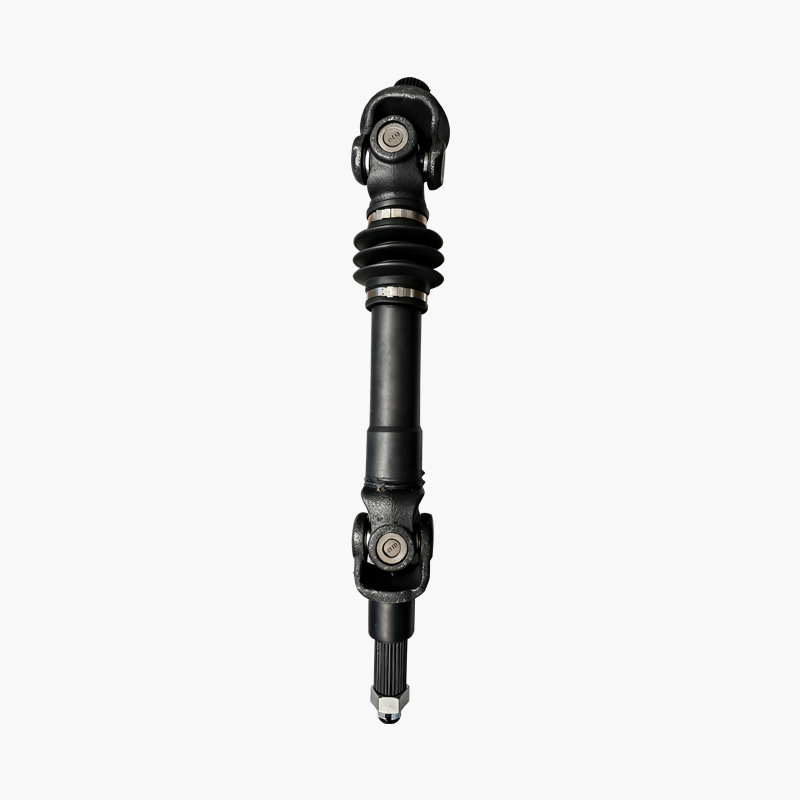
For automotive component buyers, production consistency is one of the main factors affecting supplier selection. Intermediate shafts are often installed in systems where accurate positioning and stable rotation are required, meaning small differences between batches can influence assembly efficiency.
A controlled manufacturing process helps reduce these risks through:
By managing each step carefully, manufacturers can provide components with predictable performance and help customers maintain smoother assembly operations.
Many intermediate shaft projects begin with customer drawings and application requirements. However, drawings alone may not always describe every practical manufacturing challenge. Early technical communication allows engineers to identify possible issues related to structure, machining methods, or assembly compatibility.
During project evaluation, manufacturers usually review:
This engineering-focused approach helps avoid unnecessary modifications after production begins and supports a more efficient development process.
Vehicle platforms and mechanical systems continue to diversify, creating different requirements for shaft designs. Some customers may need specific dimensions, connection structures, or surface treatments based on their own assembly systems.
A professional Intermediate Shaft Manufacturer can provide customized production services according to customer specifications. Instead of offering only standard components, manufacturers can work with buyers to develop solutions that match their technical needs.
Common customization support includes:
This flexibility is valuable for automotive suppliers and equipment manufacturers managing multiple product programs.
The selection of materials and finishing processes plays an important role in intermediate shaft durability. Different operating conditions may create different requirements for strength, wear resistance, and long-term stability.
Manufacturers need to consider:
Proper control of these factors helps improve the connection between the shaft and related components while supporting reliable operation during repeated use.
For overseas buyers, supplier transparency is becoming an important part of procurement decisions. Companies often need clear production records, inspection information, and technical communication before establishing long-term cooperation.
A practical quality management system may include:
These practices help purchasing teams understand product consistency and make supply chain management more efficient.
The automotive industry is experiencing changes driven by electrification, lightweight design, and new vehicle architectures. These trends are influencing the requirements for drivetrain and steering-related components, including intermediate shafts. Engineers are paying more attention to factors such as packaging space, vibration control, and integration efficiency.
Manufacturers that combine machining experience, customization capability, and quality control can better support global customers facing these changes. By focusing on accurate production and practical engineering cooperation, an Intermediate Shaft Manufacturer can help automotive companies achieve reliable component performance and build stable long-term supply relationships.
For more information about mechanical component manufacturing solutions, visit Taizhou Delongtai Machinery Co., Ltd.
contact us

Product
INFORMATION
+86-576-87243246
+86-13867673238
+86-576-87278966
Gongcheng North Industrial Zone, Yuhuan City, Zhejiang Province, China

 English
 русский
 Español
 Português
 عربى
عربى