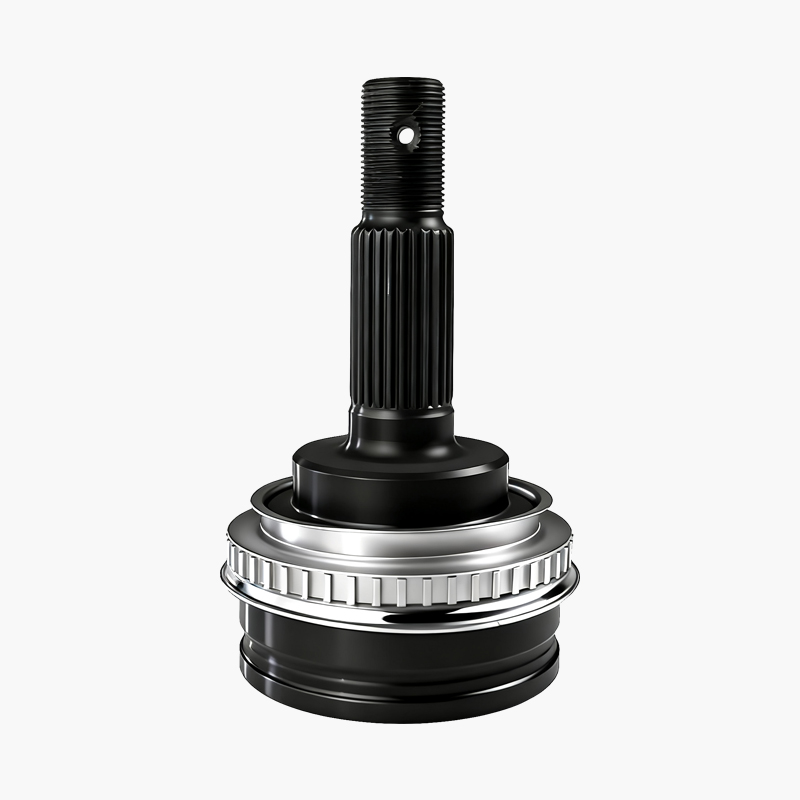
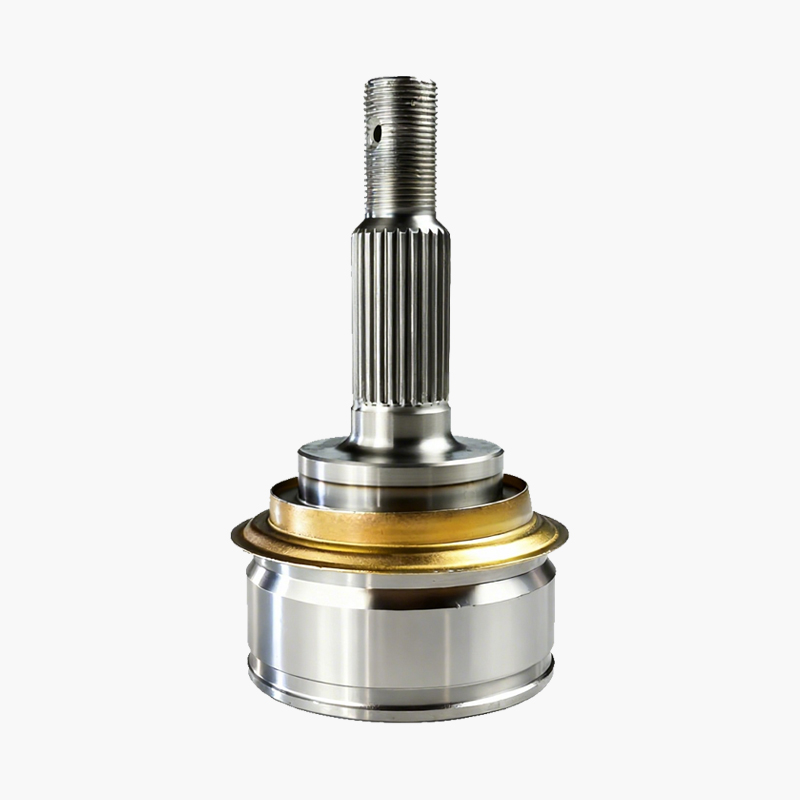
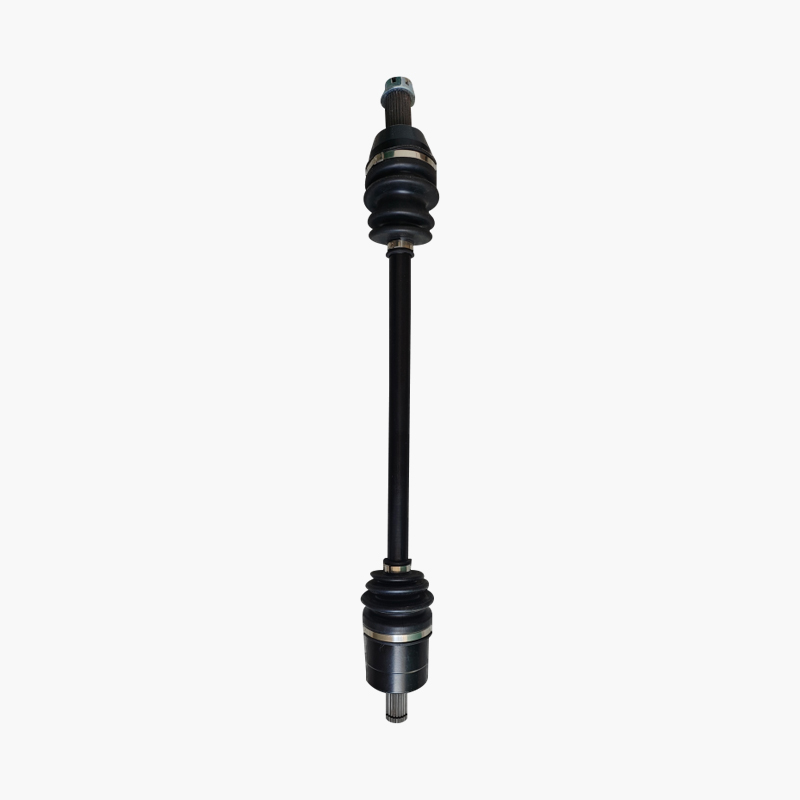
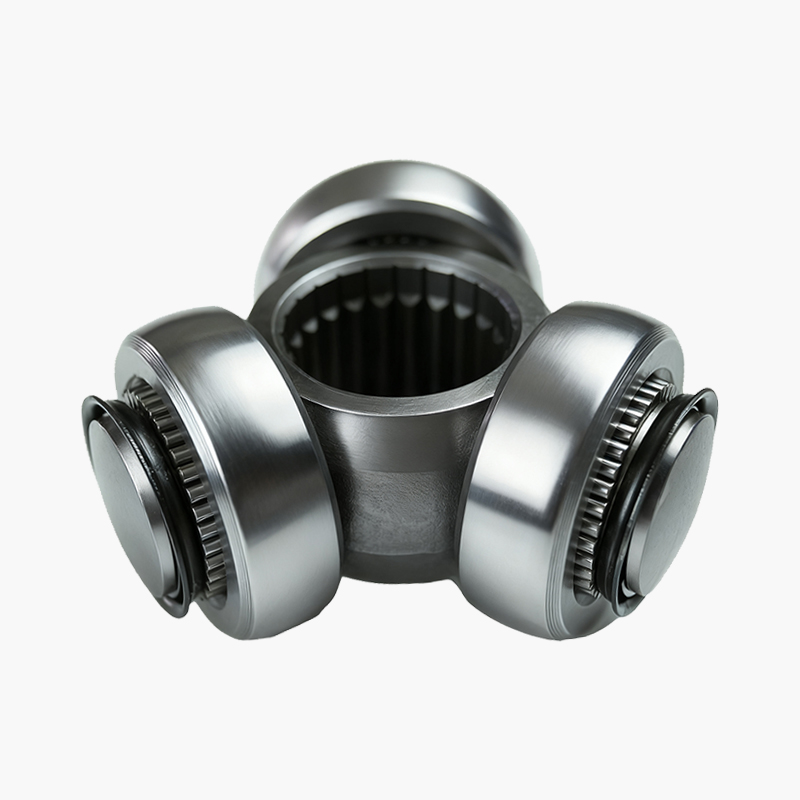
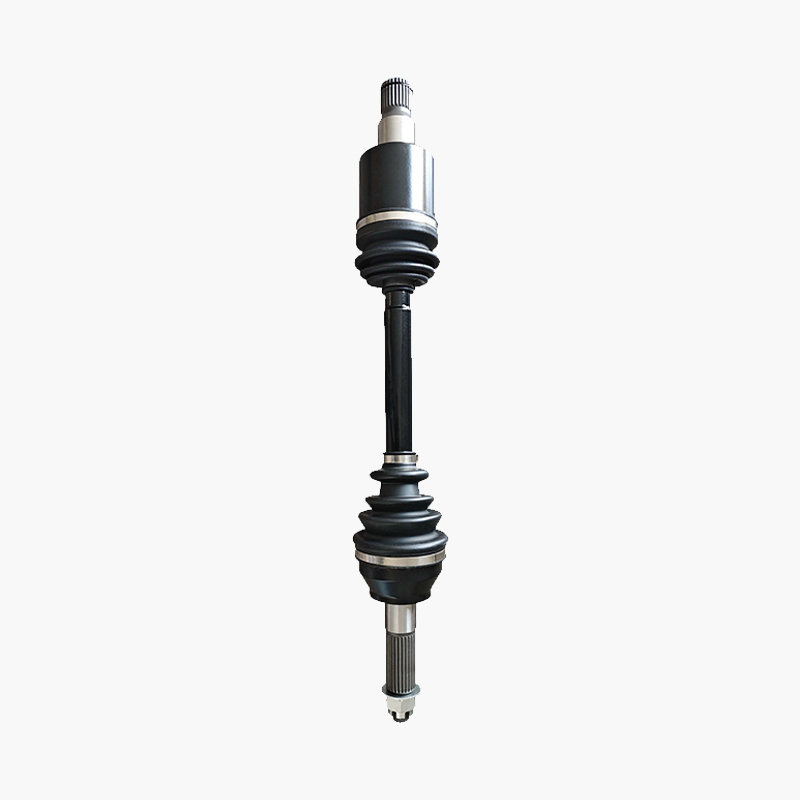
In modern vehicle production, mechanical components are expected to deliver stable performance while fitting into increasingly complex assembly systems. For purchasing teams and engineers, selecting an Intermediate Shaft Manufacturer requires more attention than simply comparing product specifications. Factors such as machining consistency, production flexibility, quality inspection, and technical communication all influence the success of a long-term supply partnership. As automotive designs continue to evolve, suppliers are focusing on improving manufacturing processes to support different vehicle platforms and application requirements.
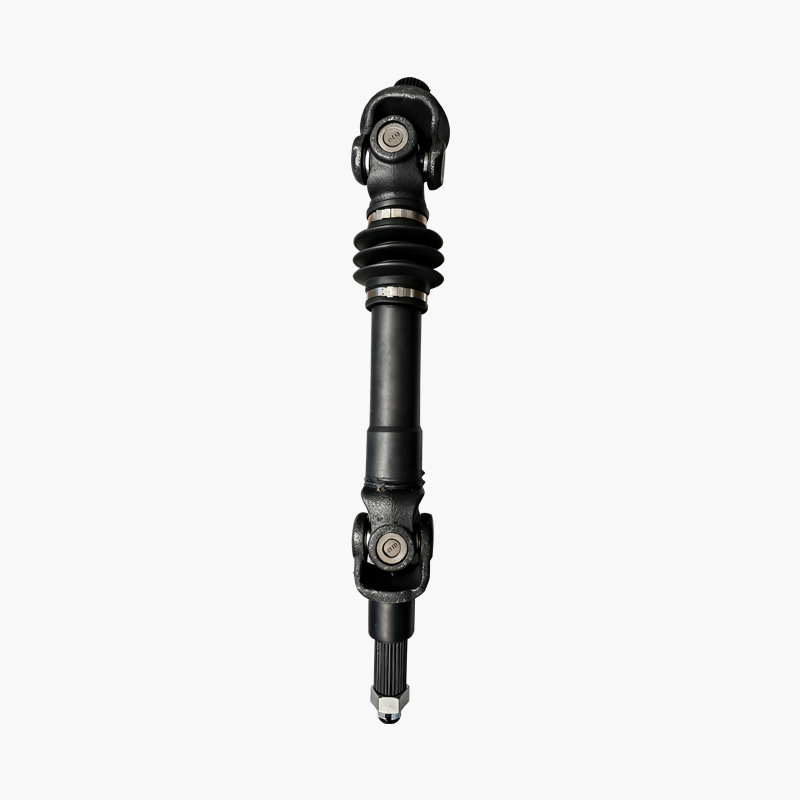
During vehicle assembly, even minor differences in shaft dimensions may create challenges when components are integrated with steering or transmission systems. A stable production process helps reduce fitting issues and supports smoother cooperation between component suppliers and vehicle manufacturers.
For intermediate shaft production, manufacturers usually pay attention to:
These steps allow buyers to maintain predictable assembly efficiency and reduce unexpected adjustments during production.
The machining process directly affects the working performance of an intermediate shaft. Different applications may require specific designs related to torque transmission, rotation balance, and structural strength.
Manufacturing teams need to carefully manage each processing stage, including turning, milling, grinding, heat treatment, and surface finishing. Proper process control helps maintain product consistency while supporting customized requirements from different customers.
For global automotive suppliers, reliable machining capability is an important factor when selecting a long-term component partner.
Automotive projects are rarely identical. Different vehicle models, production environments, and technical requirements may require adjustments in shaft dimensions, connection structures, or material options.
A professional Intermediate Shaft Manufacturer can provide customized solutions based on customer drawings and engineering specifications. This cooperation model helps customers develop components that match their actual applications instead of adapting existing products that may not fully meet project needs.
Common customization support includes:
Close cooperation between engineers and manufacturers can shorten communication cycles and improve project efficiency.
For mechanical components used in vehicles, quality inspection is not only about checking finished products. A complete inspection process should cover different stages of manufacturing to identify potential issues earlier.
Important inspection areas include:
By maintaining clear inspection procedures, manufacturers can help customers reduce quality risks and improve confidence in every shipment.
International buyers are increasingly looking for suppliers who can provide stable production support instead of one-time transactions. Delivery coordination, technical response, and production transparency have become important parts of supplier evaluation.
A dependable intermediate shaft supplier should be able to support customers through:
These capabilities help automotive companies maintain smoother supply chain operations, especially when managing multiple projects across different regions.
Vehicle technology continues to influence component design. New energy vehicles, compact structures, and improved driving comfort requirements are encouraging manufacturers to refine shaft design and production methods. Lightweight structures, noise reduction, and better integration with modern vehicle systems are becoming important development directions.
By combining precision machining, customization capability, and practical engineering support, an Intermediate Shaft Manufacturer can provide reliable solutions for automotive suppliers and equipment manufacturers. Focusing on manufacturing consistency and customer cooperation allows businesses to build stronger partnerships and achieve stable performance across different applications.
For more information about mechanical component manufacturing solutions, visit Taizhou Delongtai Machinery Co., Ltd.
contact us

Product
INFORMATION
+86-576-87243246
+86-13867673238
+86-576-87278966
Gongcheng North Industrial Zone, Yuhuan City, Zhejiang Province, China

 English
 русский
 Español
 Português
 عربى
عربى