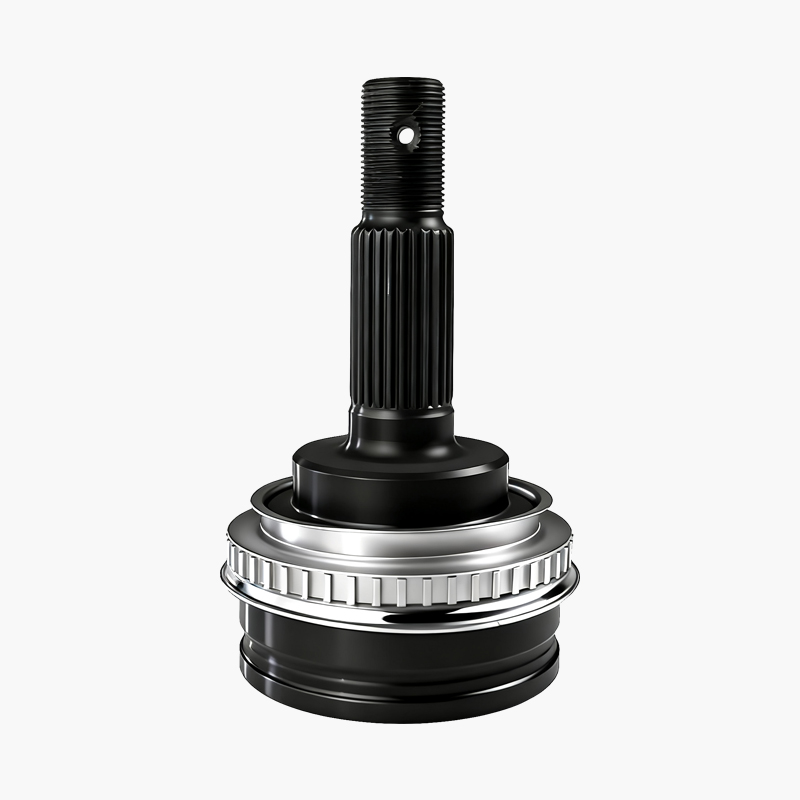
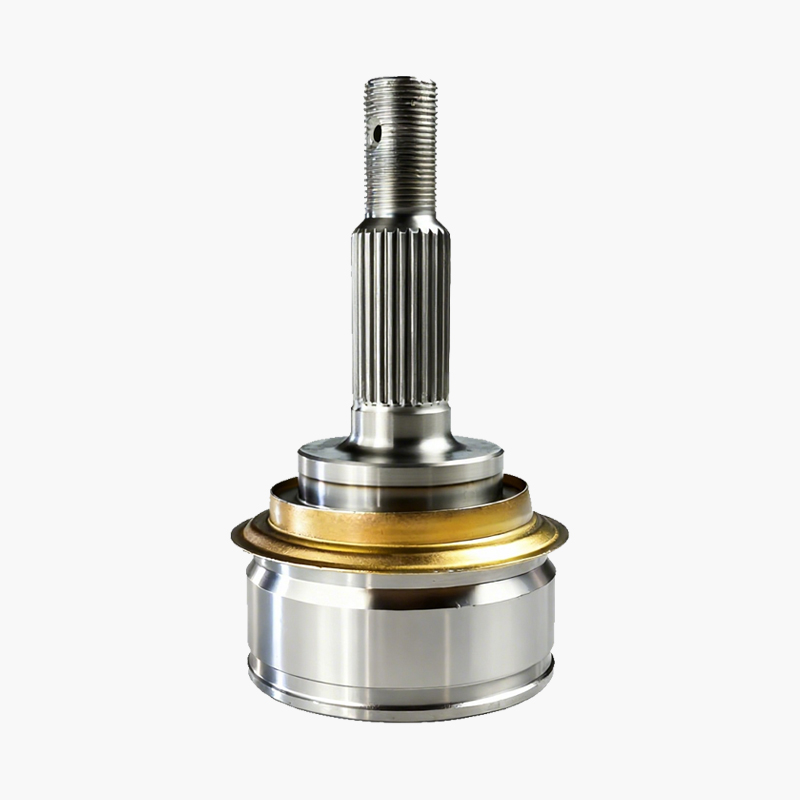
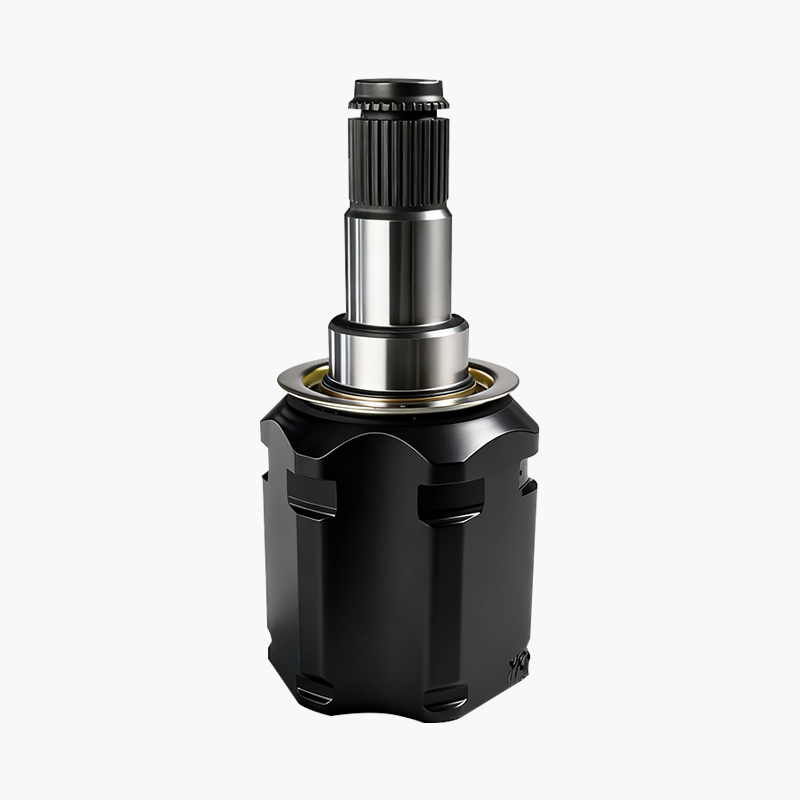
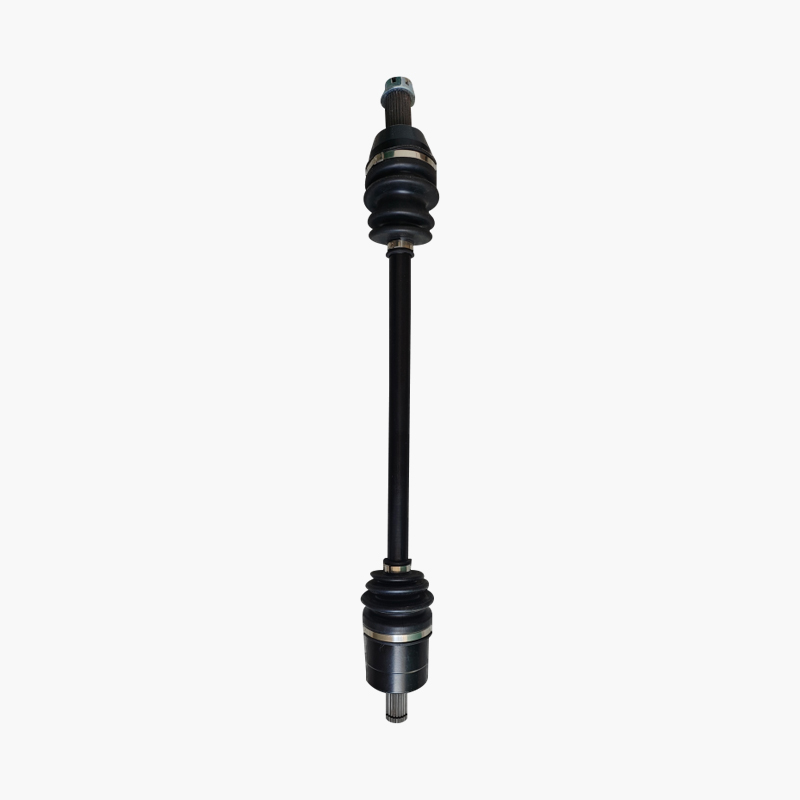
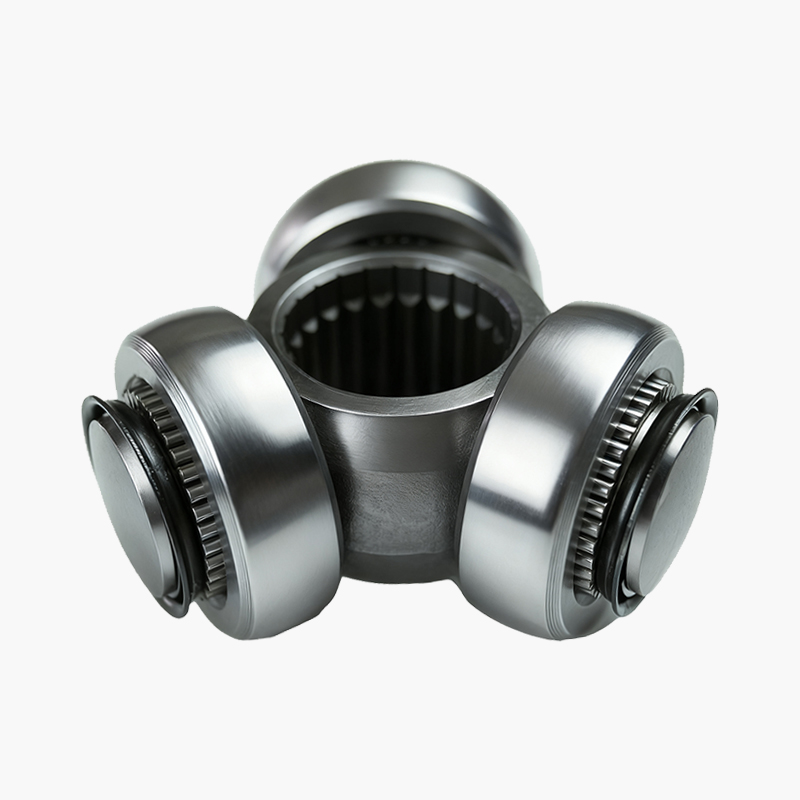
With automotive systems becoming more refined, component suppliers are facing higher expectations for accuracy, consistency, and production flexibility. For vehicle manufacturers and engineering teams, choosing an experienced Intermediate Shaft Manufacturer means finding a partner that understands not only machining but also the practical challenges of assembly, durability, and long-term operation. Today, buyers are paying closer attention to shaft structure, tolerance control, and manufacturing processes that can support changing vehicle platforms.
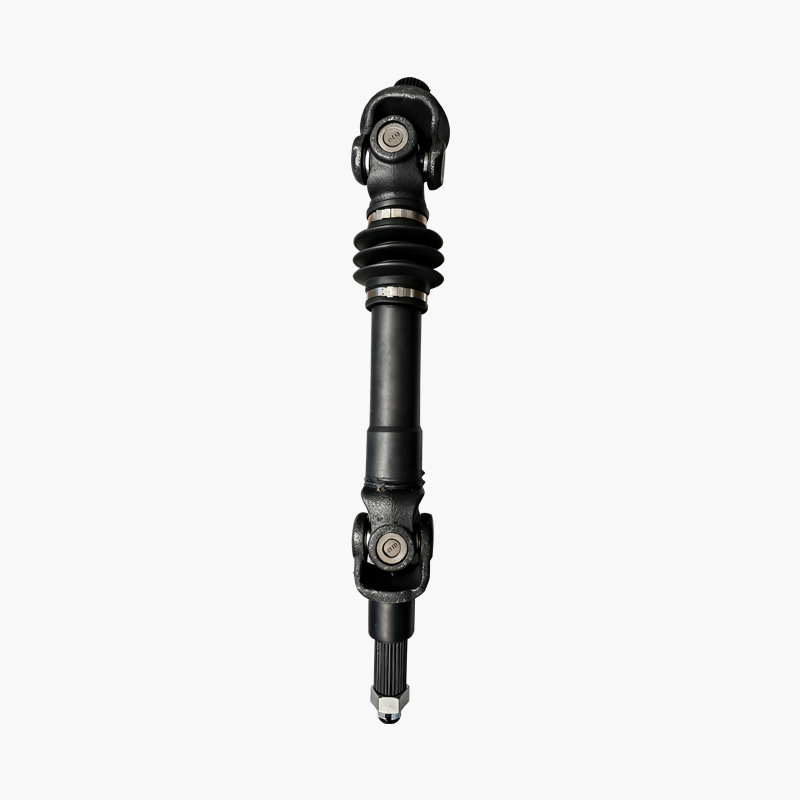
The performance of an intermediate shaft is closely connected to the material used during production. Different vehicle applications may require different levels of strength, wear resistance, and weight control. Engineers usually consider operating conditions, connection design, and expected service environment before confirming the material specification.
During manufacturing, material inspection is an important step to reduce potential quality issues. Checking incoming materials, controlling processing conditions, and maintaining stable machining procedures help ensure each shaft performs consistently after installation.
A small dimensional difference in a mechanical component can affect the entire assembly process. For intermediate shafts, accurate machining helps maintain proper alignment between connected parts and reduces unwanted movement during operation.
Manufacturers commonly focus on several production details:
These processes help customers reduce assembly adjustments and improve production efficiency when integrating shafts into vehicle systems.
Automotive projects often involve customized requirements based on vehicle models, design updates, and regional standards. A fixed product solution may not always match every engineering situation.
A capable Intermediate Shaft Manufacturer can support customers through flexible manufacturing services, including:
By working closely with engineering teams, manufacturers can better understand application needs and provide practical solutions instead of only supplying standard components.
Noise, vibration, and harshness performance has become an important consideration for modern vehicles. Even when an intermediate shaft meets basic mechanical requirements, poor matching between components may influence driving comfort.
To address this challenge, manufacturers pay attention to:
These improvements help create smoother mechanical interaction and support better overall vehicle performance.
For international buyers, stable delivery is as important as product quality. Automotive production schedules usually require suppliers to maintain consistent output and clear communication throughout the cooperation process.
A reliable production system includes:
These practices allow purchasing teams to manage inventory and production plans more effectively.
The development of electric and hybrid vehicles is influencing the design requirements of many mechanical components. Intermediate shafts are also being evaluated for factors such as weight control, packaging efficiency, and durability under different operating conditions.
Manufacturers with strong machining experience can help customers respond to these changes through continuous process improvement and engineering cooperation. By focusing on accurate production, customization ability, and reliable quality management, an Intermediate Shaft Manufacturer can provide dependable solutions for automotive suppliers and industrial customers seeking long-term cooperation.
For more information about mechanical component manufacturing capabilities, visit Taizhou Delongtai Machinery Co., Ltd.
contact us

Product
INFORMATION
+86-576-87243246
+86-13867673238
+86-576-87278966
Gongcheng North Industrial Zone, Yuhuan City, Zhejiang Province, China

 English
 русский
 Español
 Português
 عربى
عربى