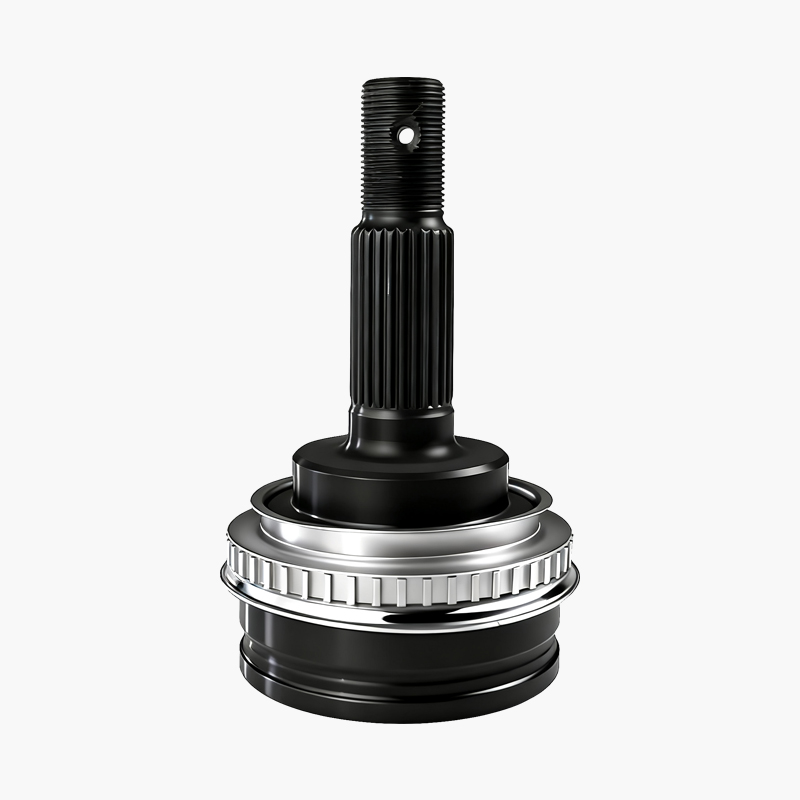
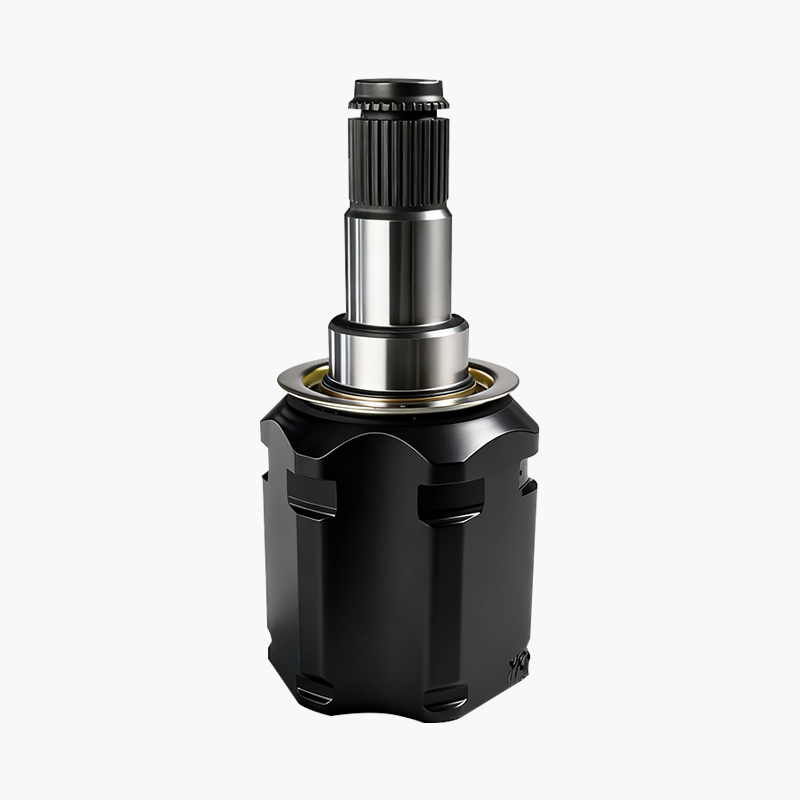
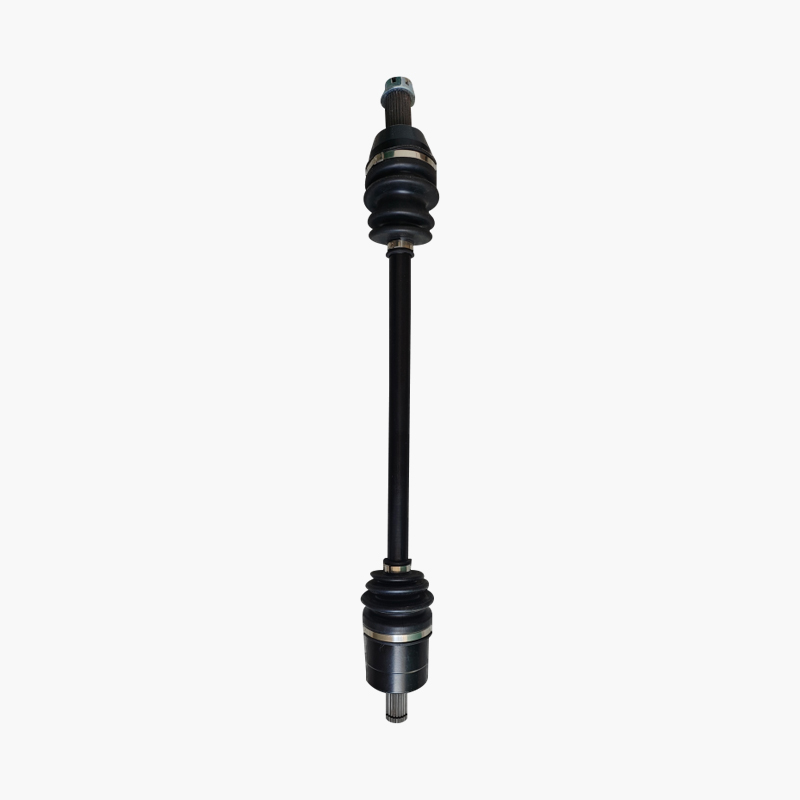
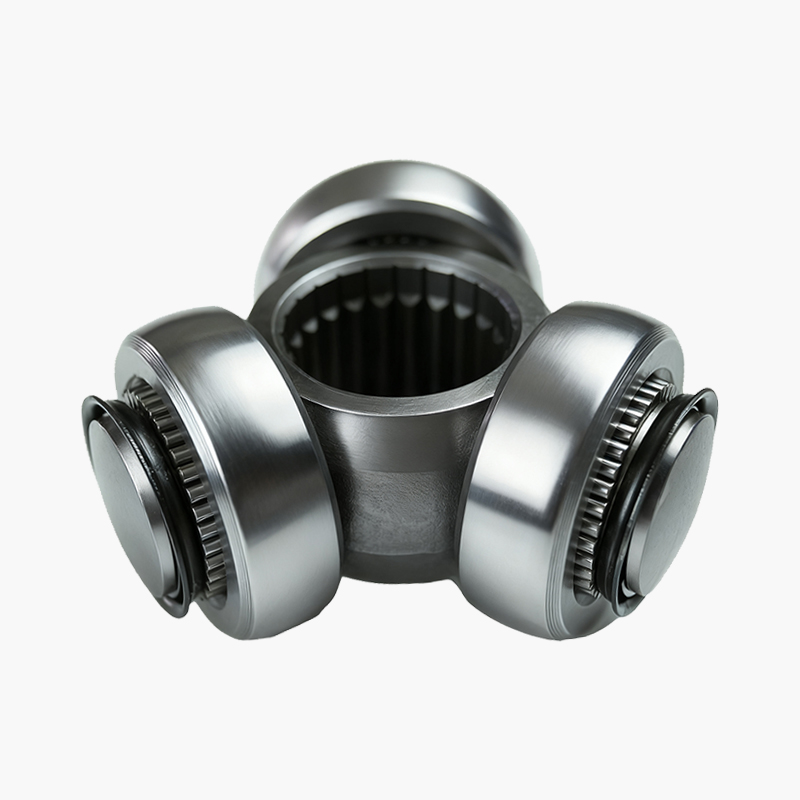
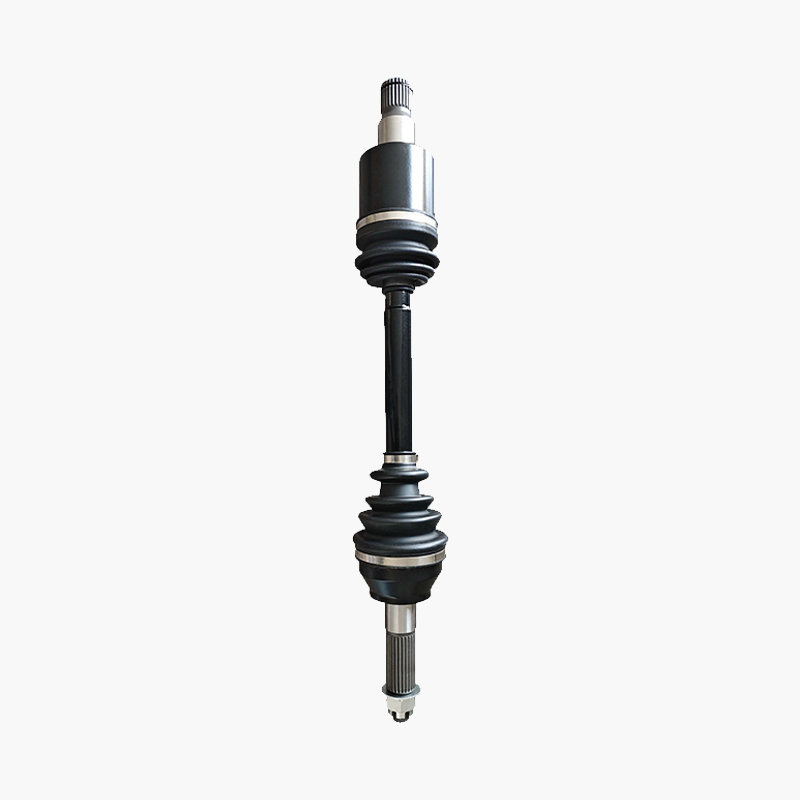
As vehicle systems continue to become more compact and performance-focused, component accuracy has become a key factor in maintaining smooth mechanical operation. For automotive and machinery manufacturers, selecting a reliable Intermediate Shaft Manufacturer is not only about obtaining a metal shaft but also about ensuring stable torque transmission, accurate assembly, and consistent production quality. Engineers and purchasing teams are increasingly focusing on machining processes, material control, and customization capability when sourcing intermediate shaft solutions for different applications.
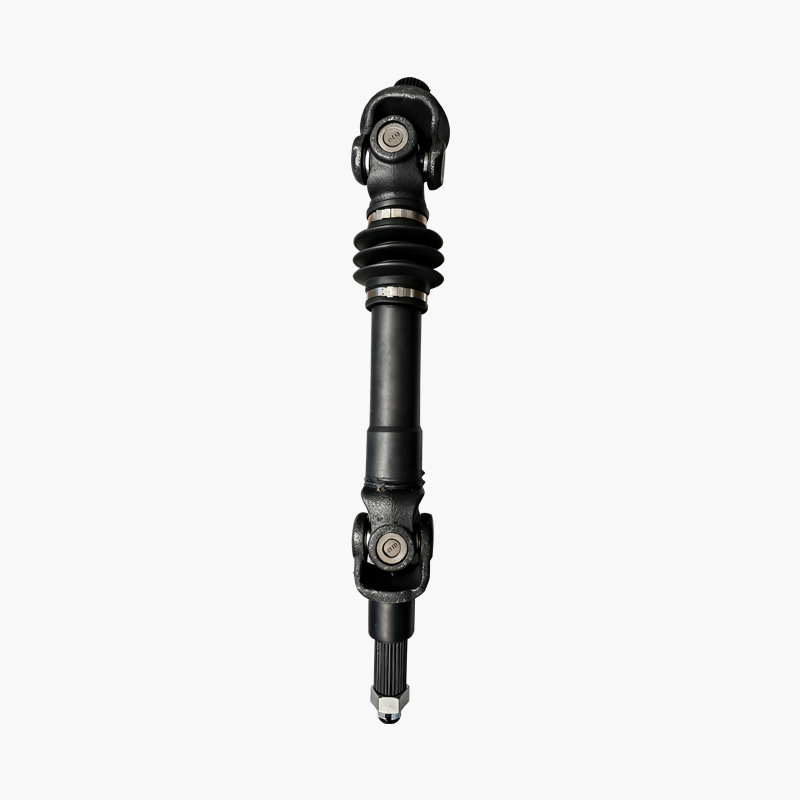
An intermediate shaft works as an important connection component in mechanical systems, helping transfer rotational movement between different sections. In automotive applications, it is commonly related to steering or drivetrain structures where alignment, balance, and durability directly influence the user experience. Small variations in shaft dimensions or surface quality may create problems such as vibration, unusual noise, or difficult assembly during production.
For manufacturers, improving shaft reliability starts from the early design stage. Proper material selection, suitable machining methods, and accurate tolerance control help ensure the component can operate under repeated mechanical stress.
When buyers evaluate an intermediate shaft supplier, production capability is often one of the main concerns. A professional manufacturing process usually involves multiple steps, including raw material inspection, precision machining, heat treatment, surface finishing, and final quality checking.
Key production considerations include:
These details are especially important for companies managing large-volume vehicle or equipment projects, where every component needs to fit smoothly into the final assembly.
Different vehicles and mechanical systems may require different shaft structures, connection methods, and performance characteristics. Standard products cannot always meet every engineering requirement, especially when customers are developing new models or upgrading existing equipment.
As an experienced Intermediate Shaft Manufacturer, we focus on providing flexible production support based on customer drawings, technical specifications, and application environments. From prototype development to volume manufacturing, close communication between engineers and production teams helps reduce unnecessary adjustments during the project cycle.
Global buyers are paying more attention to supplier reliability because production delays can affect entire manufacturing schedules. A stable intermediate shaft supply chain requires not only machining capability but also effective production management.
Manufacturers can support customers by:
This approach allows purchasing teams to manage projects more efficiently and build long-term cooperation with component suppliers.
For automotive parts and industrial components, quality problems discovered after installation may lead to additional costs and production interruptions. Therefore, many engineering teams now review supplier quality systems before starting cooperation.
Intermediate shaft production requires attention to:
A complete quality management process helps ensure that each delivered component meets the expected application requirements.
As vehicle platforms and industrial equipment continue to evolve, intermediate shaft designs are also adapting to new engineering requirements. Compact structures, improved efficiency, and better integration with modern systems are influencing how suppliers approach product development.
Manufacturers with strong machining experience and customization capabilities can provide more practical solutions for companies seeking dependable mechanical components. By combining production expertise with engineering cooperation, an Intermediate Shaft Manufacturer can help global customers achieve smoother assembly, stable performance, and reliable long-term operation.
For more information about mechanical component manufacturing solutions, visit Taizhou Delongtai Machinery Co., Ltd.
contact us

Product
INFORMATION
+86-576-87243246
+86-13867673238
+86-576-87278966
Gongcheng North Industrial Zone, Yuhuan City, Zhejiang Province, China

 English
 русский
 Español
 Português
 عربى
عربى