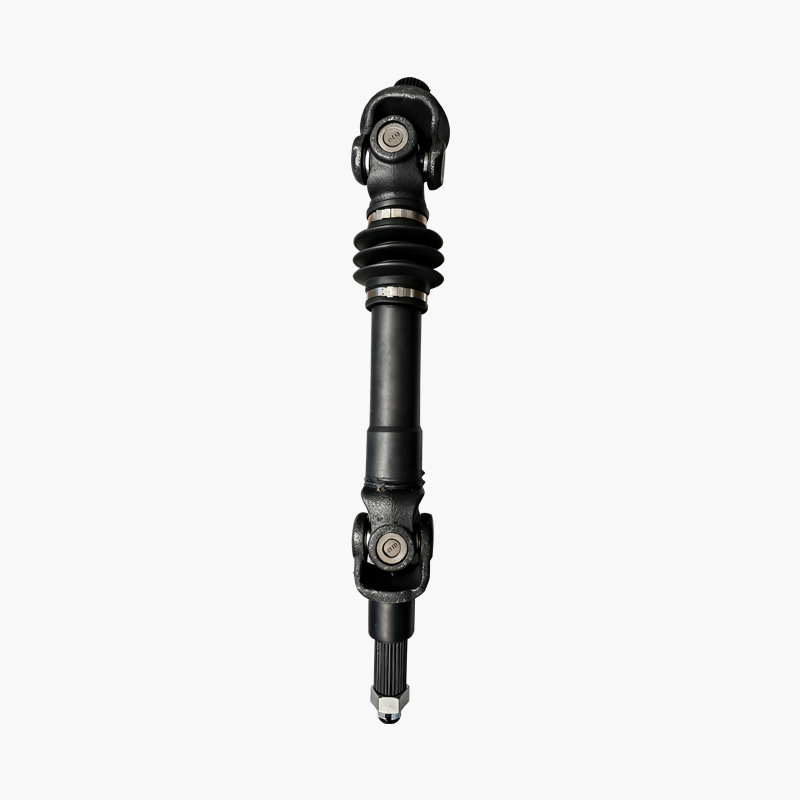
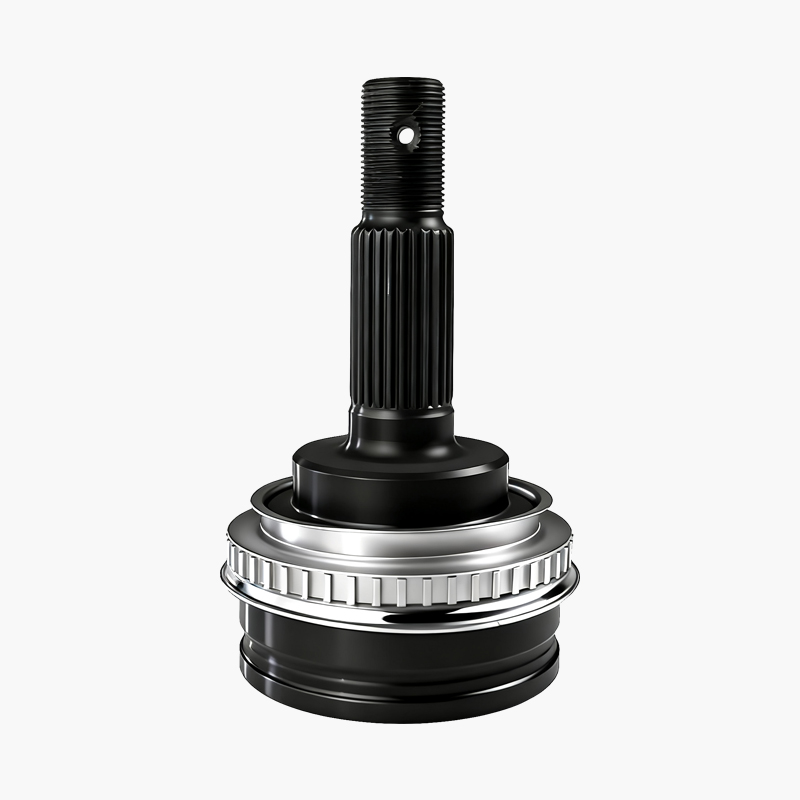
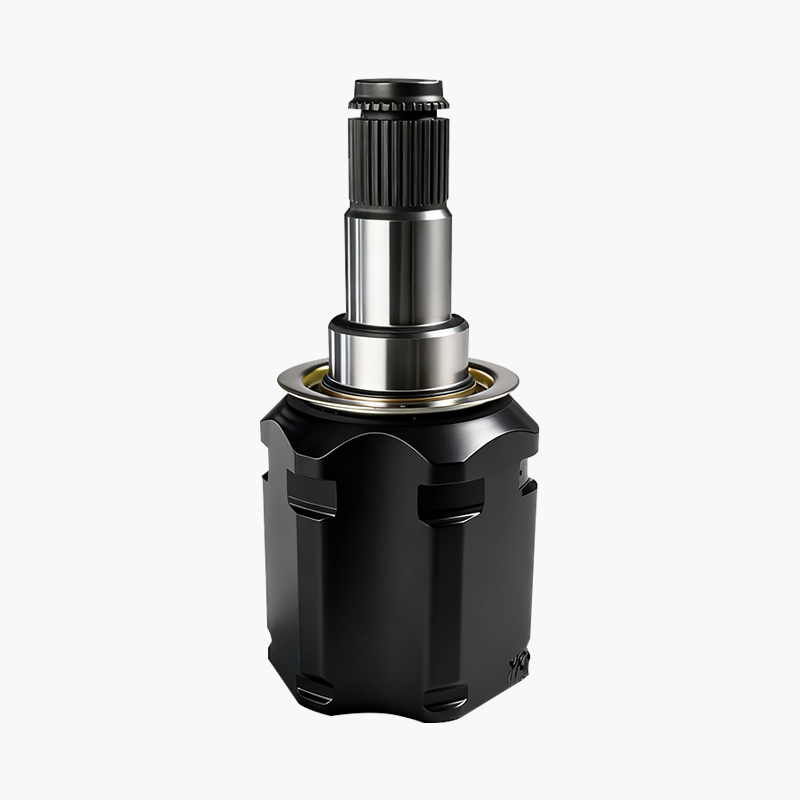
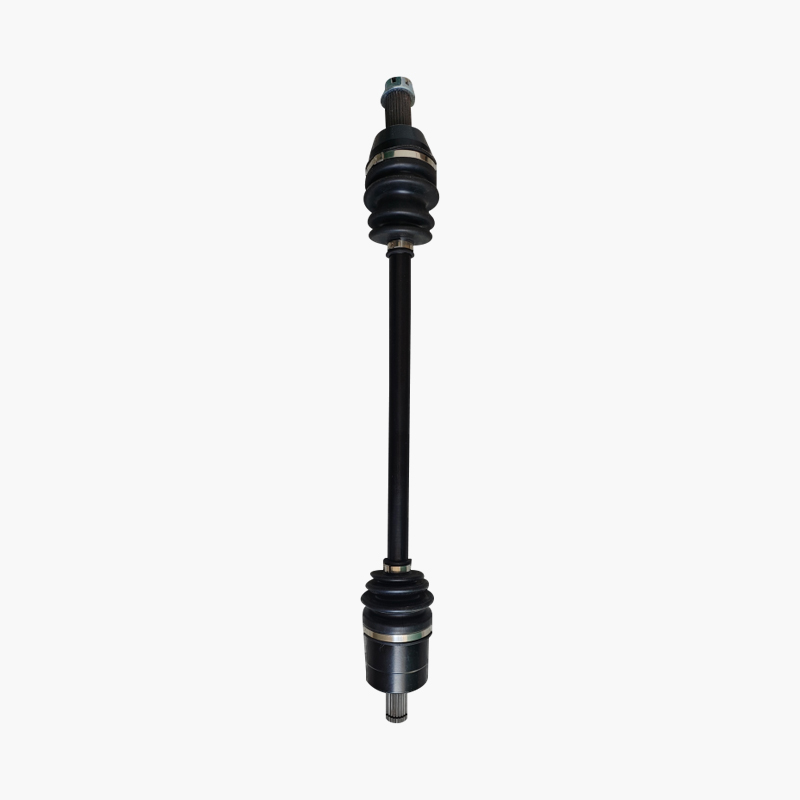
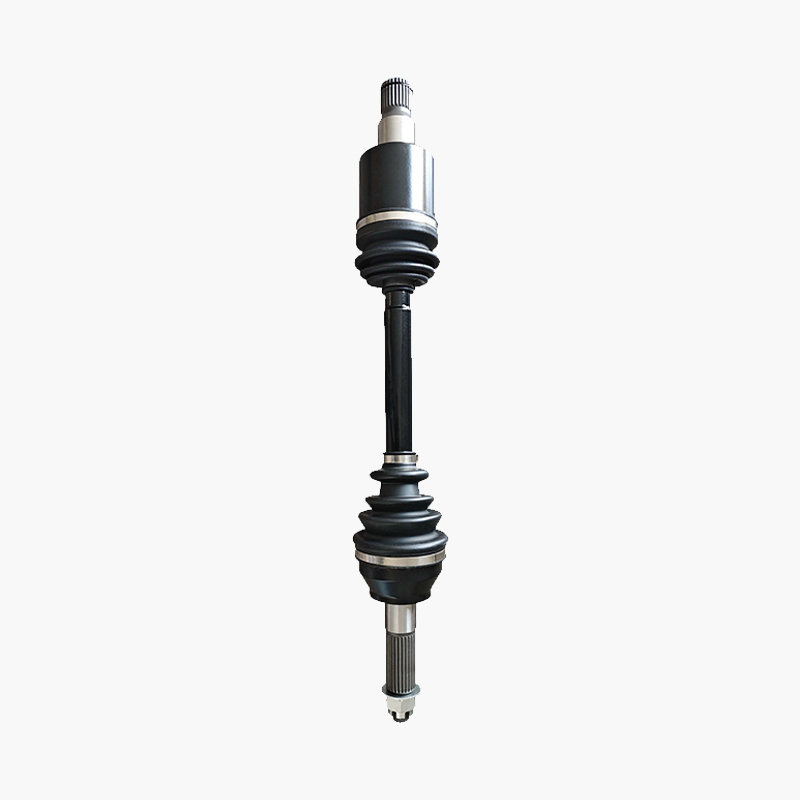
The automotive industry is paying more attention to drivetrain reliability as vehicle designs become more compact and performance requirements continue to change. The Intermediate Shaft Factory market is seeing growing interest from overseas buyers who need components that deliver stable rotation, accurate fitting, and dependable operation in different vehicle systems. For engineers and purchasing teams, selecting a suitable intermediate shaft solution means considering not only product dimensions but also manufacturing consistency, application conditions, and long-term performance.
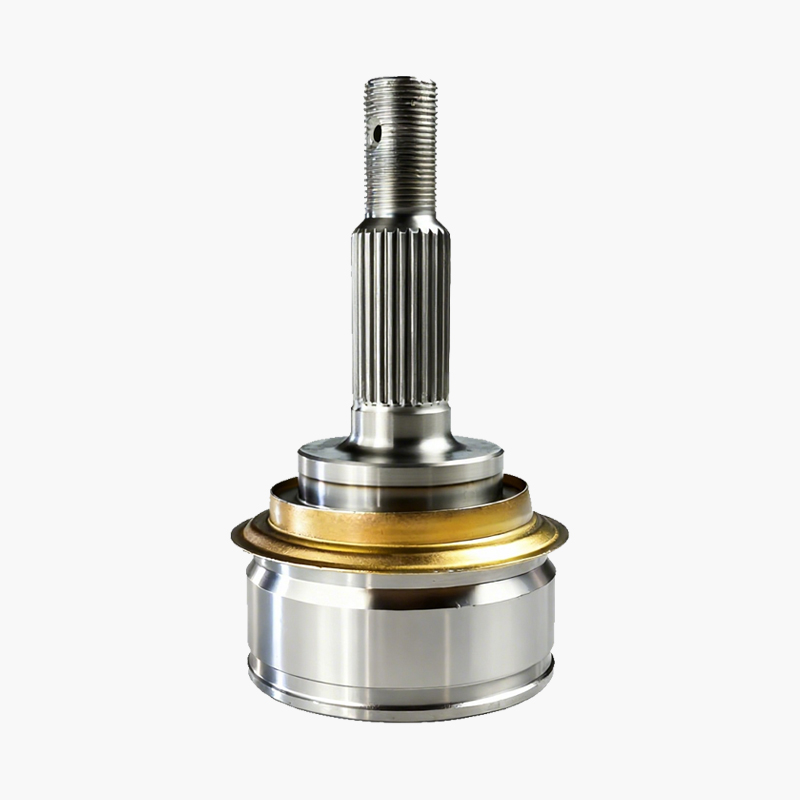
Rising Focus on Drivetrain Components in Modern Vehicles
Vehicle manufacturers and engineering companies are continuously improving drivetrain structures to create smoother driving experiences and better energy utilization. Intermediate shafts play an important role in transmitting power between mechanical parts, especially in systems where alignment and rotational stability are important.
Recently, many professional buyers have been searching for information about intermediate shaft suppliers, production processes, and customization options. Their concerns often focus on how to reduce installation problems, improve component matching, and maintain stable performance during long-term operation.
Addressing Alignment and Vibration Challenges
One of the common concerns in drivetrain assembly is vibration caused by inaccurate matching between components. An intermediate shaft with improper dimensions or insufficient balance control may influence the overall mechanical performance.
During the selection process, engineers usually pay attention to:
A properly designed intermediate shaft helps improve assembly efficiency and supports smoother operation. This is especially important for vehicles and equipment that operate frequently under changing loads.
Precision Processing Supports Better Component Integration
The manufacturing process has a direct influence on intermediate shaft performance. Accurate machining helps ensure that shafts meet required specifications and fit correctly with related drivetrain parts.
For engineering projects, factors such as tolerance management, surface quality, and inspection procedures are important evaluation points. A consistent production process allows different batches to maintain similar characteristics, helping customers reduce adjustments during assembly and testing.
Selecting Suitable Materials for Different Applications
Material selection is another key topic among global buyers. Different operating environments may create different demands for shaft strength, durability, and resistance to repeated mechanical stress.
When evaluating intermediate shaft materials, technical teams often consider:
Choosing suitable materials allows the shaft to perform effectively while meeting practical production and application needs.
Customized Designs Support Diverse Project Requirements
As vehicle platforms and mechanical systems become more diversified, standard components may not always meet every project requirement. Many companies now prefer working with suppliers that can provide customized intermediate shaft solutions based on technical drawings and application details.
Customization may involve adjustments in shaft dimensions, connection methods, finishing processes, or packaging requirements. Clear communication during the design stage helps avoid misunderstandings and improves cooperation between engineering teams and suppliers.
Quality Control Helps Build Stable Supply Chains
For overseas procurement teams, stable product quality is an important factor when developing long-term cooperation. Buyers often review production management, inspection methods, and technical support before selecting a supplier.
Reliable quality control helps maintain consistency throughout the manufacturing process. For industries such as automotive, machinery, and industrial equipment, this consistency supports smoother production schedules and reduces unexpected component-related issues.
Future Opportunities in Intermediate Shaft Applications
With continuous changes in vehicle technology and mechanical system design, intermediate shaft solutions are expected to focus more on precision, adaptability, and efficient production methods. Engineers are exploring designs that can support new application requirements while maintaining practical manufacturing processes.
For companies looking for dependable drivetrain components, an experienced Intermediate Shaft Factory can provide valuable support through accurate production, flexible customization, and application-focused solutions. Understanding buyer challenges and improving component reliability remain important steps toward meeting the evolving needs of global industries.
contact us

Product
INFORMATION
+86-576-87243246
+86-13867673238
+86-576-87278966
Gongcheng North Industrial Zone, Yuhuan City, Zhejiang Province, China

 English
 русский
 Español
 Português
 عربى
عربى