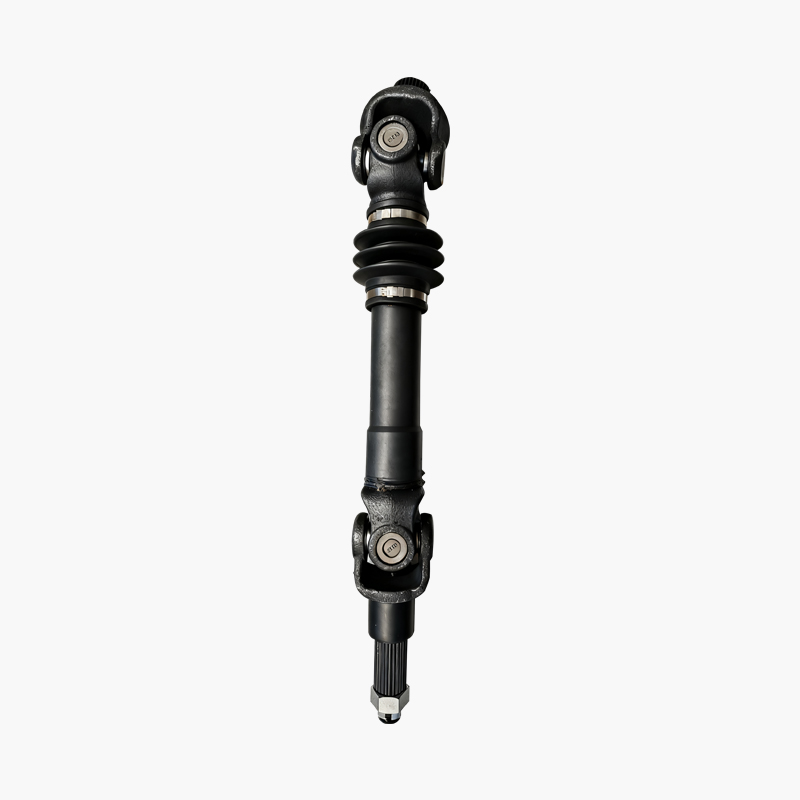
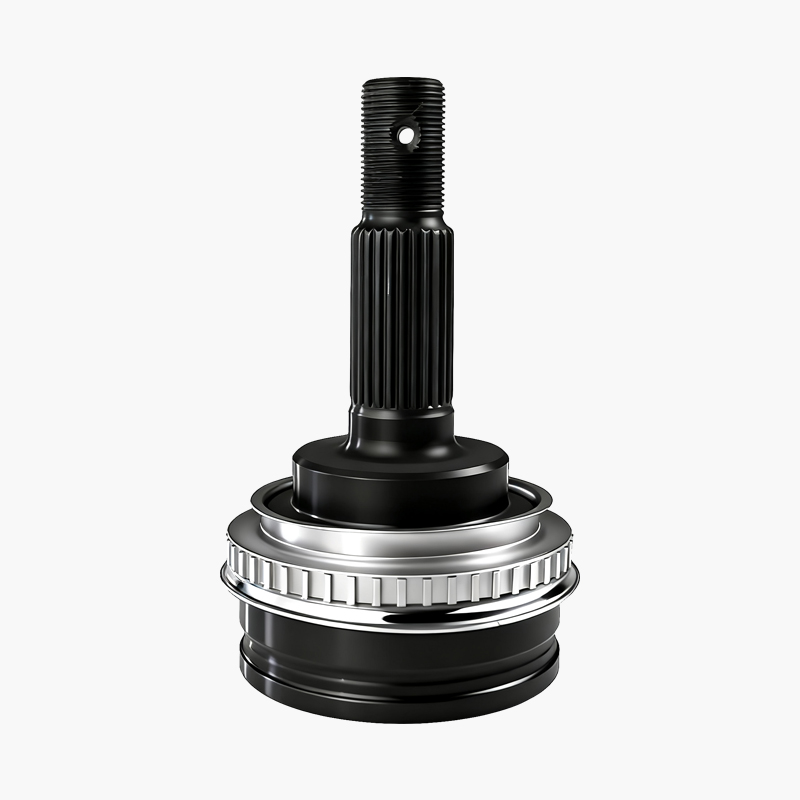
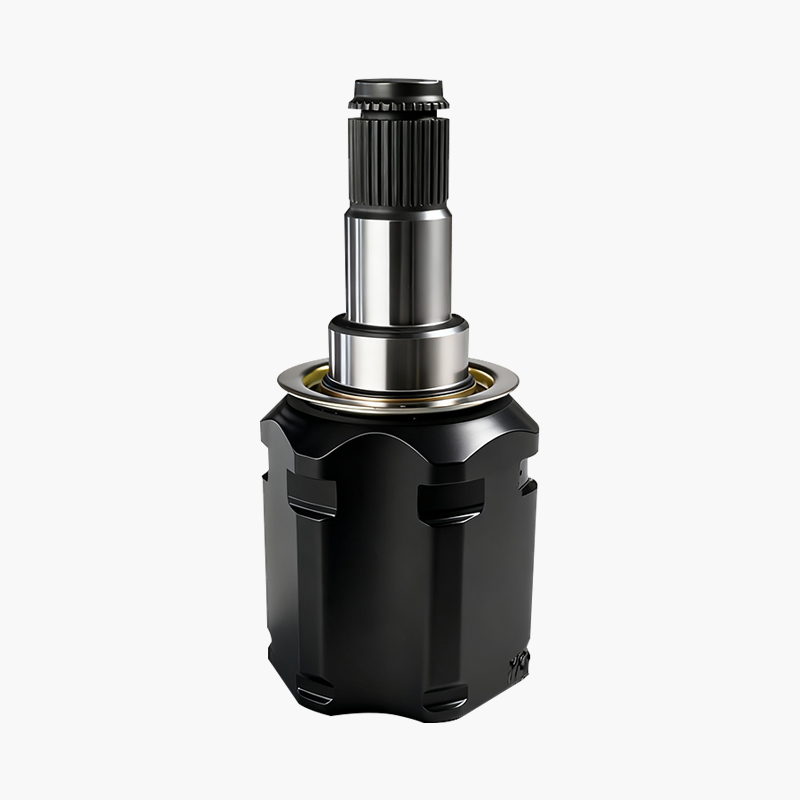
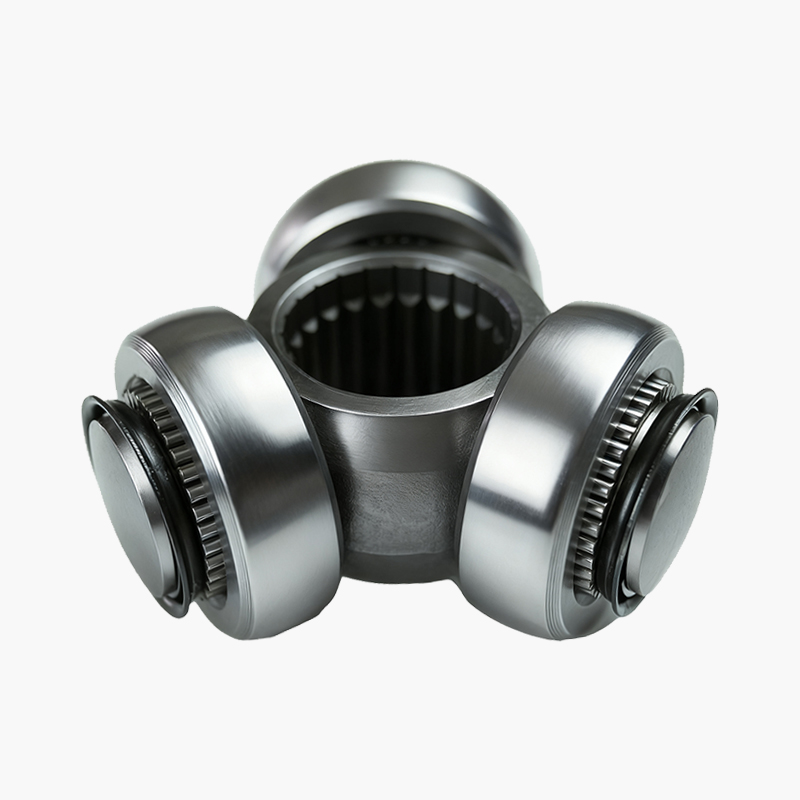
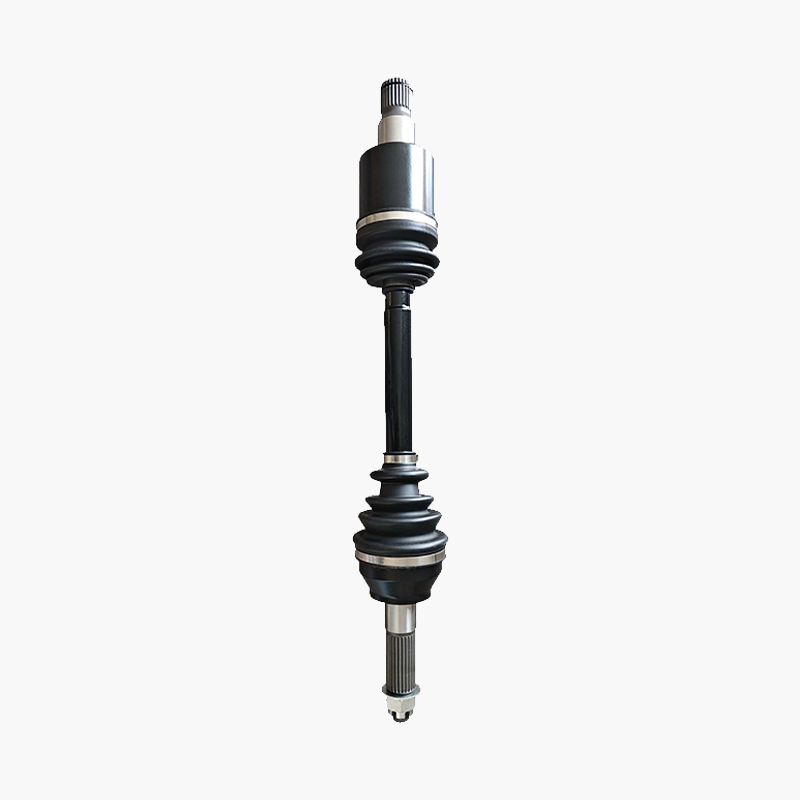
An intermediate shaft must do more than connect two rotating components. It needs to transmit torque, maintain proper alignment, and fit the surrounding assembly under actual working conditions. When equipment experiences premature wear, loose connections, or difficult installation, shaft design and manufacturing accuracy deserve careful attention. As an Intermediate Shaft Manufacturer, we focus on practical production details that help equipment builders maintain consistent assembly quality and dependable operation.
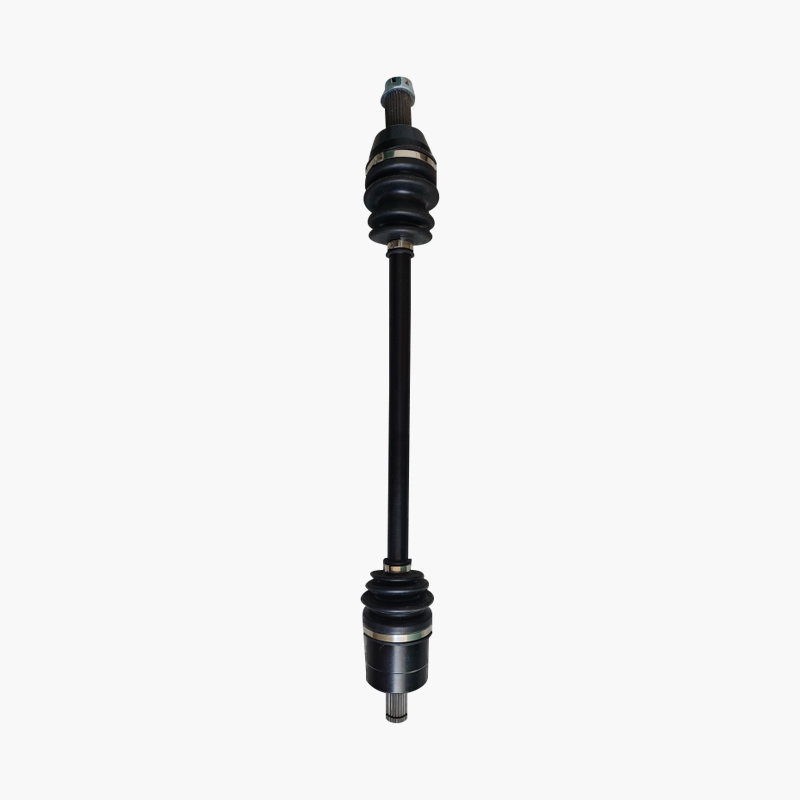
A shaft that looks correct may still cause assembly issues if its critical dimensions do not match the mating components. Incorrect spline geometry, bearing seat dimensions, or shoulder positions can affect installation and component engagement.
We recommend confirming the latest engineering drawings and tolerance requirements before machining begins. This is especially important for replacement shafts, where the original component may have experienced wear or deformation. Clear specifications give both the buyer and manufacturer a reliable reference for production and inspection.
Material selection should reflect how the shaft will be used. Repeated torque changes, impact loads, and continuous operation can place different demands on the component. Selecting an unsuitable material may increase the risk of deformation, fatigue, or premature failure.
Depending on the application, carbon steel or alloy steel may be considered. Heat treatment and surface finishing should also be evaluated against the required mechanical properties. We review these factors alongside the design specifications to help customers identify a suitable manufacturing approach.
Splines, keyways, and other connection features transfer torque between the shaft and connected parts. If these features are machined inaccurately, the assembly may develop excessive clearance, uneven contact, or installation difficulties.
Our production planning considers the geometry and functional requirements of these features. Buyers can help by specifying the mating component, required fit, and applicable tolerances. This information is particularly useful for custom intermediate shafts used in specialized machinery.
Shaft runout can affect rotational stability and contribute to vibration in an assembled system. However, vibration may also come from worn bearings, poor alignment, or other connected components, so the entire assembly should be considered during troubleshooting.
For applications involving continuous rotation, we recommend defining applicable straightness, runout, and balancing requirements before production. These specifications help establish appropriate inspection methods and reduce uncertainty during equipment testing.
Not every shaft requires the same inspection plan. A component used in a compact mechanism may have different critical features from one operating under substantial loads or at higher rotational speeds.
Depending on customer requirements, inspection may cover diameter, length, concentricity, spline dimensions, hardness, and surface condition. We use the agreed technical specifications as the basis for evaluating finished components, helping buyers understand whether the shaft meets their intended application requirements.
Custom shaft production becomes more straightforward when technical information is complete. Drawings, material grades, surface treatment details, annual demand estimates, and packaging requirements all help define the production scope.
For repeat orders, buyers should also communicate drawing revisions and changes to mating components. Keeping these details consistent helps reduce misunderstandings and supports smoother coordination between engineering, purchasing, and manufacturing teams.
Choosing an Intermediate Shaft Manufacturer involves more than comparing quotations. Machining capability, dimensional control, technical communication, and repeat-order consistency all affect the final result.
We encourage equipment manufacturers and industrial buyers to discuss their operating conditions and critical specifications before production starts. With clearly defined requirements and appropriate manufacturing controls, intermediate shafts can fit their intended assemblies more reliably and support stable power transmission throughout equipment operation.
contact us

Product
INFORMATION
+86-576-87243246
+86-13867673238
+86-576-87278966
Gongcheng North Industrial Zone, Yuhuan City, Zhejiang Province, China

 English
 русский
 Español
 Português
 عربى