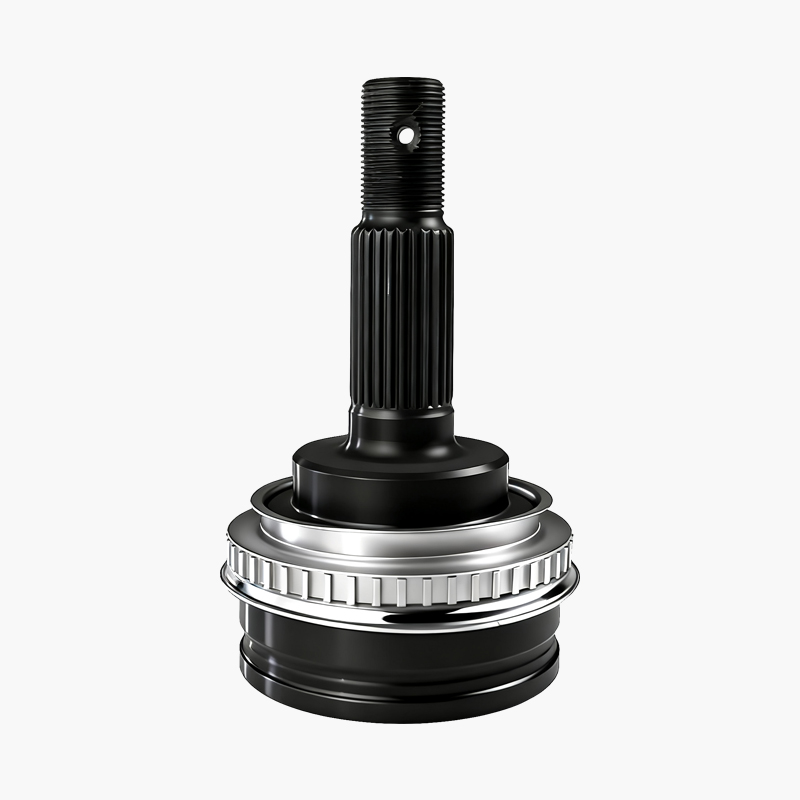
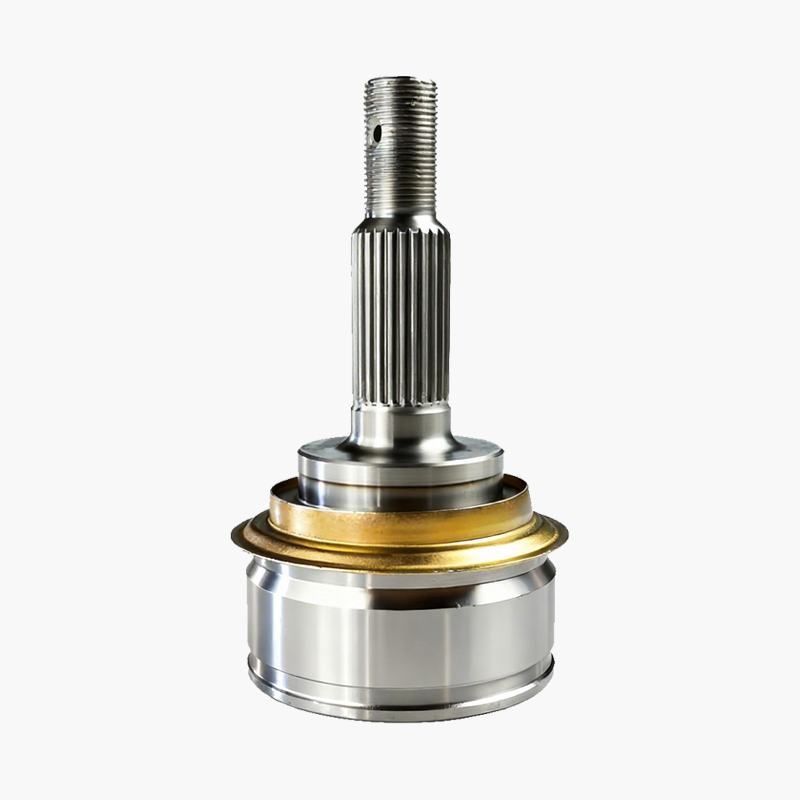
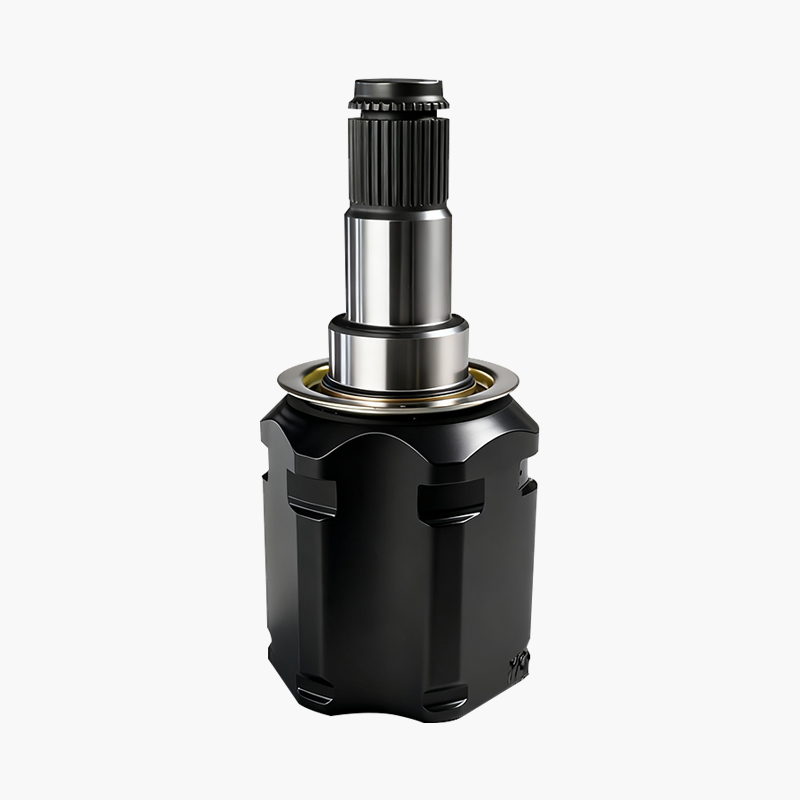
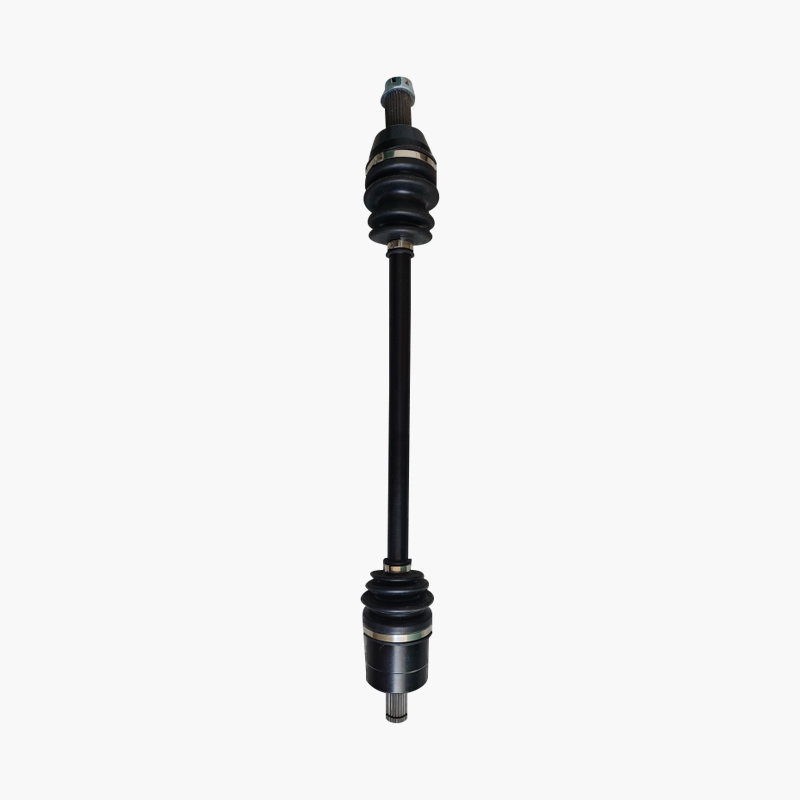
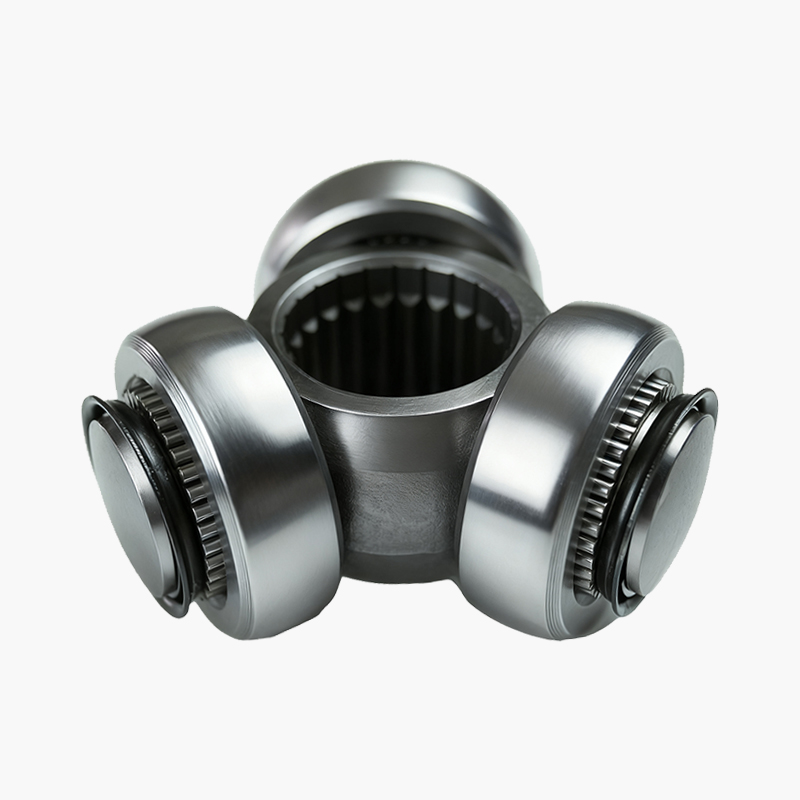
Intermediate shafts play an important role in transferring torque between connected components in automotive systems and industrial machinery. When a shaft causes installation difficulties, unusual noise, or repeated maintenance issues, the problem may come from dimensional errors, material selection, or mismatched connection features. As an Intermediate Shaft Manufacturer, we focus on helping customers address these practical challenges through accurate machining, suitable material selection, and clear technical communication.
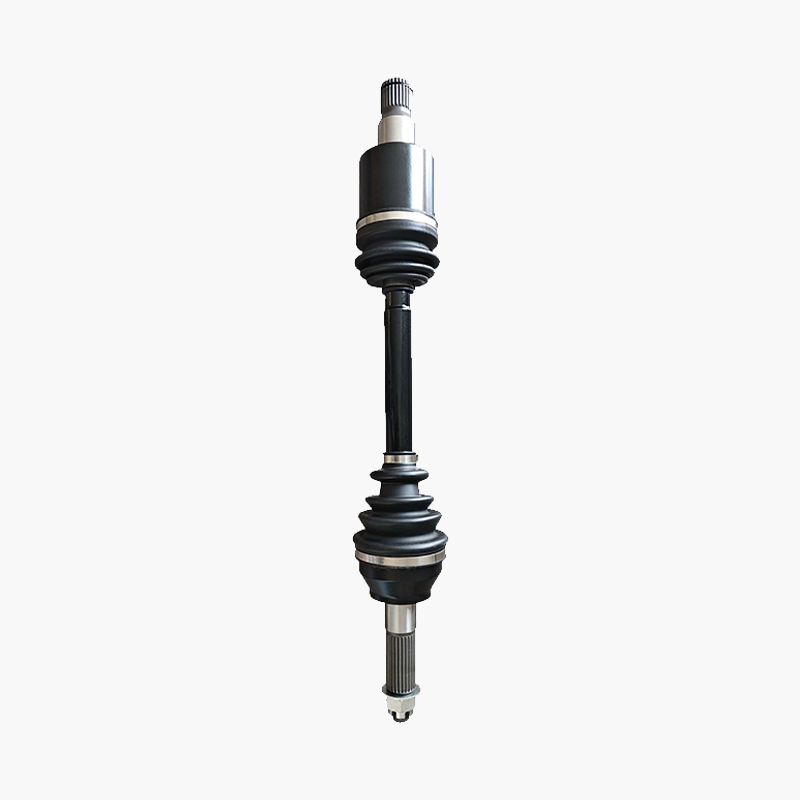
An intermediate shaft must fit its connected components according to the specified design. Differences in shaft diameter, spline dimensions, or bearing seat positions can lead to difficult installation and unwanted movement during operation.
We follow customer drawings and agreed tolerances to control critical dimensions throughout production. For buyers developing new equipment or sourcing replacement parts, providing complete technical drawings helps reduce fitment problems and unnecessary adjustments during assembly.
Different working environments place different demands on an intermediate shaft. Some applications require resistance to repeated torque loads, while others place greater emphasis on wear resistance or fatigue performance.
Carbon steel and alloy steel may be suitable options, depending on the design and operating conditions. Heat treatment can also be considered when specific mechanical properties are required. We evaluate these factors against the customer's technical requirements rather than recommending materials based on cost alone.
Surface quality matters at bearing seats, splines, and other functional areas. Inconsistent finishing or inaccurate machining may affect component fit and contribute to premature wear.
Our manufacturing process can include turning, grinding, and spline machining according to the shaft design. Inspection focuses on specified dimensions and functional features, helping ensure that the finished component meets the agreed requirements.
Excessive vibration can result from several factors, including shaft runout, imbalance, bearing wear, and installation errors. Replacing the shaft without identifying the underlying cause may not resolve the problem.
For rotating applications, buyers should confirm whether straightness, runout, and balancing requirements apply. Sharing operating speed and load information allows the manufacturer to assess the relevant production and inspection requirements before manufacturing begins.
Many equipment manufacturers need intermediate shafts with specific lengths, spline profiles, stepped diameters, or connection structures. Custom production requires clear communication between engineering, purchasing, and manufacturing teams.
To support an accurate quotation, customers should provide drawings, material specifications, surface treatment requirements, order quantities, and inspection criteria. If a reference sample is available, it may also help clarify the design, subject to agreed technical requirements.
Quality inspection should reflect the intended application. Depending on the specification, checks may cover dimensions, material documentation, hardness, surface condition, and other required characteristics.
For repeat orders, consistent acceptance criteria help buyers maintain assembly compatibility across production batches. Discussing inspection records and packaging requirements in advance also makes overseas supply arrangements easier to manage.
Choosing an Intermediate Shaft Manufacturer means evaluating machining capabilities, quality procedures, drawing interpretation, and communication throughout production. A suitable manufacturing partner helps buyers address fitment concerns before they become costly assembly problems.
We encourage customers to share their application requirements and technical documents early. This gives our team a clearer basis for selecting manufacturing processes, checking critical features, and producing intermediate shafts that meet the needs of the intended transmission system.
contact us

Product
INFORMATION
+86-576-87243246
+86-13867673238
+86-576-87278966
Gongcheng North Industrial Zone, Yuhuan City, Zhejiang Province, China

 English
 русский
 Español
 Português
 عربى