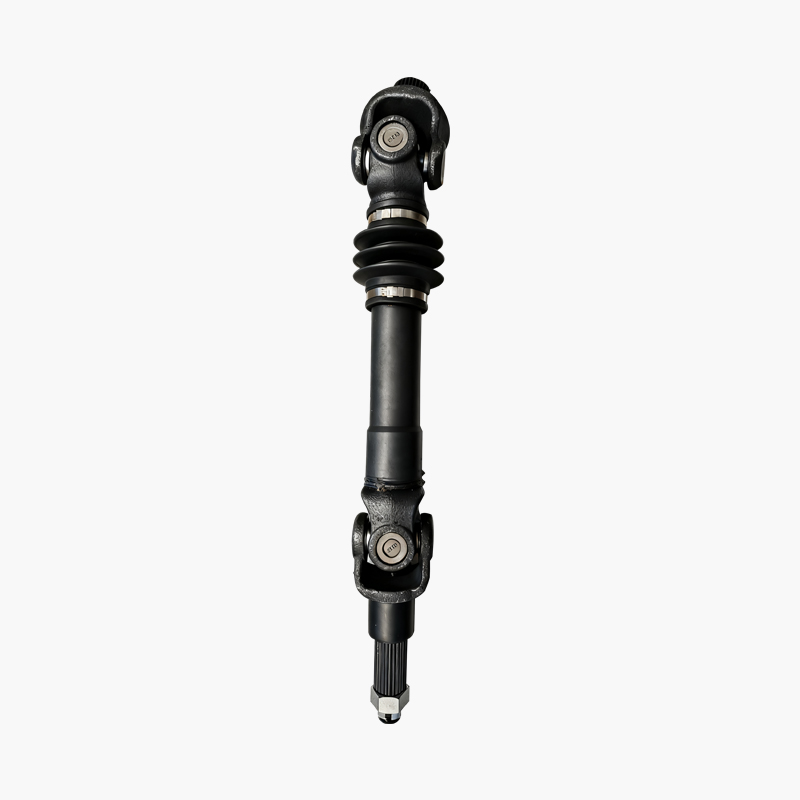
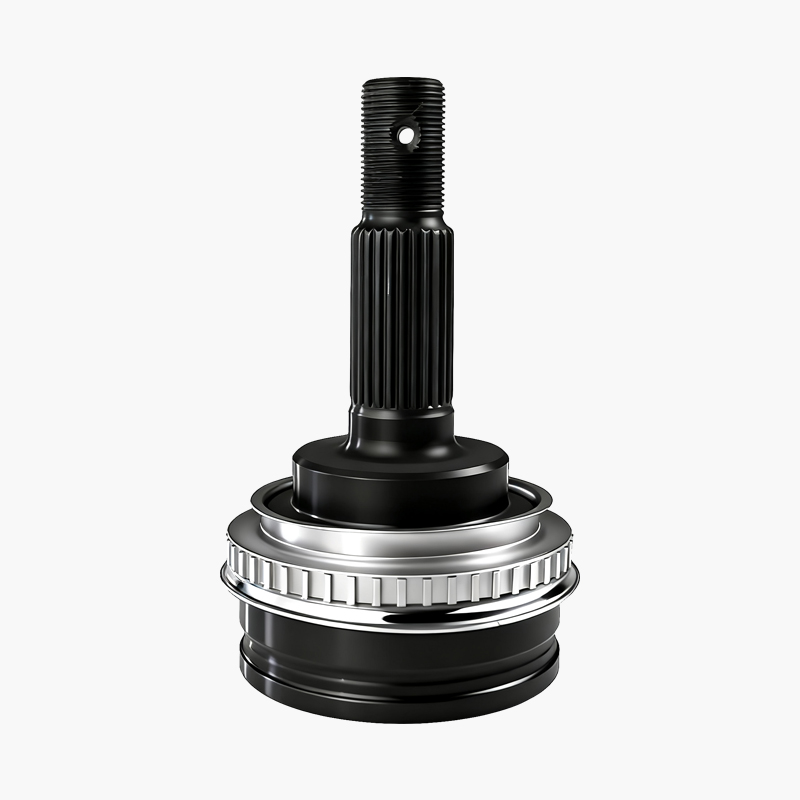
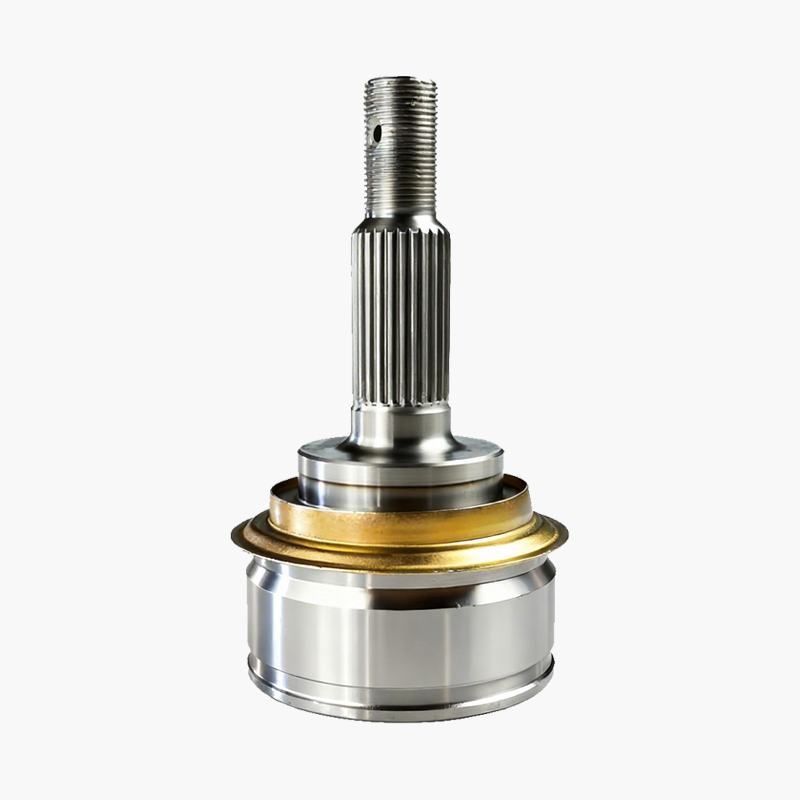
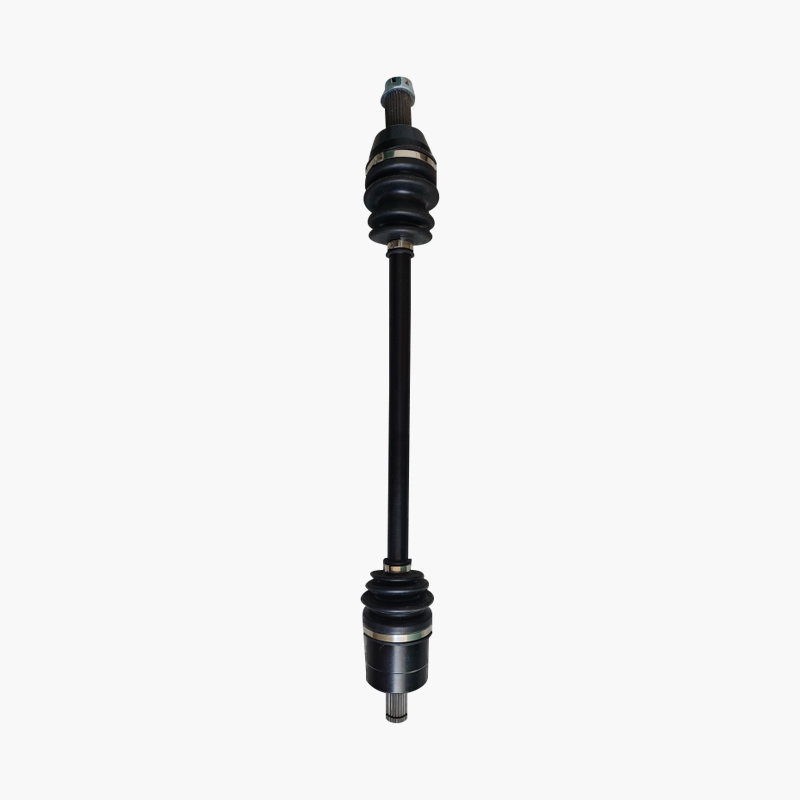
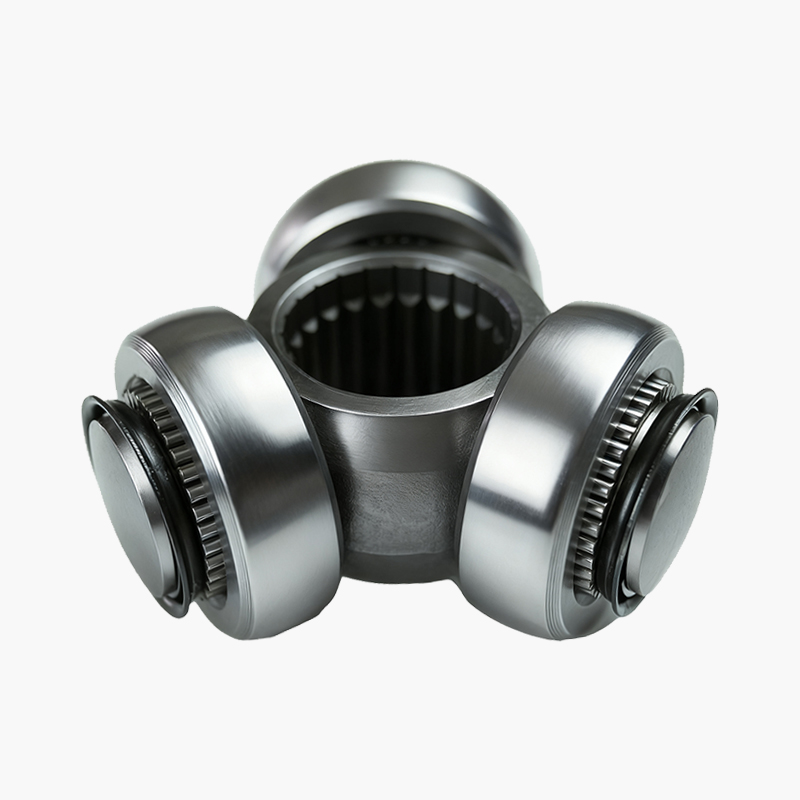
When a transmission system develops unusual vibration, excessive noise, or premature wear, the intermediate shaft is one of the components worth checking. In automotive, industrial machinery, and power transmission applications, shaft accuracy affects how effectively torque moves between connected parts. As an experienced Intermediate Shaft Manufacturer, we understand that buyers need more than a component that fits on paper. They need reliable dimensions, suitable materials, and consistent machining quality that support stable operation after installation.
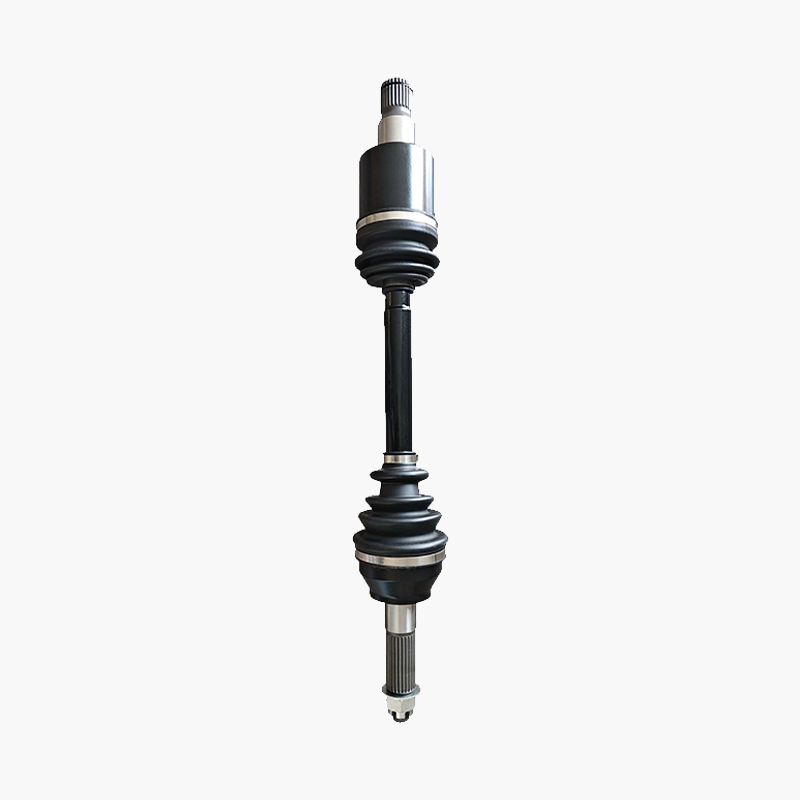
Small dimensional deviations can create practical problems during assembly. If bearing seats, splines, or connecting sections do not match the required specifications, installation may become difficult and the assembled system may experience unwanted movement.
We pay close attention to critical dimensions during shaft manufacturing, including diameter, length, concentricity, and the position of functional features. These details help ensure that the intermediate shaft works properly with its mating components. For buyers sourcing replacement parts or developing new equipment, sharing detailed drawings and tolerance requirements early can reduce unnecessary adjustments during assembly.
An intermediate shaft may operate under changing torque, repeated loads, friction, and vibration. Choosing material based only on its initial cost can create problems if the shaft cannot withstand the actual working environment.
Material selection should reflect the application, load conditions, required strength, wear exposure, and manufacturing process. Depending on the design, suitable alloy or carbon steel grades may be considered. Heat treatment may also be specified when the application requires particular mechanical properties or surface performance.
As a manufacturer, we recommend evaluating these requirements together rather than treating material choice as a separate purchasing decision. This approach helps buyers balance component performance, processing requirements, and production costs.
A shaft can meet its overall length and diameter requirements while still presenting problems at important contact surfaces. Rough bearing seats, poorly finished splines, or inconsistent transitions between sections may affect assembly and service life.
Our manufacturing process focuses on the functional areas that influence fit and movement. Depending on the design, machining operations may include turning, grinding, spline processing, and finishing. Inspection methods are selected according to the drawing and the characteristics that require verification.
For engineering teams, identifying critical surfaces on technical drawings makes communication more efficient. It also helps the manufacturer allocate inspection attention to the features that matter most in the finished assembly.
Vibration is not always caused by the shaft itself. Misaligned housings, worn bearings, incorrect installation, and connected components can all contribute. However, shaft runout, imbalance, and dimensional inconsistency should not be overlooked when investigating the problem.
For rotating applications, buyers should confirm whether straightness, runout, and dynamic balancing requirements apply to the specific design. These checks are particularly relevant when the shaft operates at elevated speeds or connects components with different rotational characteristics.
We work from the application's technical requirements to identify the appropriate manufacturing and inspection controls. Clear specifications help distinguish shaft-related issues from problems originating elsewhere in the transmission system.
Not every intermediate shaft follows a standard design. Equipment manufacturers may require specific spline profiles, stepped diameters, connection features, or installation dimensions to match an existing assembly.
To prepare an accurate quotation, buyers should provide available drawings, material requirements, order quantities, surface treatment details, and applicable inspection standards. Samples or reference components can also support technical discussions when drawings are incomplete, although final acceptance criteria should be agreed upon before production.
This information helps us assess manufacturing feasibility, identify critical tolerances, and avoid misunderstandings between design and production teams.
A useful quality plan checks more than the appearance of the finished component. Depending on the design, inspection may cover dimensional accuracy, material documentation, hardness, surface condition, and other specified characteristics.
For overseas buyers, consistency between production batches is also important. A component that fits during initial testing should continue to meet the agreed requirements in repeat orders. Documented inspection procedures and clear acceptance criteria help purchasing and engineering teams evaluate incoming parts more efficiently.
Before confirming an order, buyers should establish which inspection records are required and how nonconforming components will be handled. These discussions make supplier cooperation more straightforward.
Selecting an Intermediate Shaft Manufacturer involves evaluating machining capabilities, technical communication, quality controls, and the ability to follow application-specific drawings. Price matters, but so does the manufacturer's understanding of how dimensional accuracy and material properties affect the complete transmission system.
We encourage buyers to discuss operating conditions, assembly challenges, and inspection expectations before production begins. With clear technical information and a manufacturing process aligned with the intended application, an intermediate shaft can integrate more smoothly into the finished equipment and support dependable long-term operation.
contact us

Product
INFORMATION
+86-576-87243246
+86-13867673238
+86-576-87278966
Gongcheng North Industrial Zone, Yuhuan City, Zhejiang Province, China

 English
 русский
 Español
 Português
 عربى