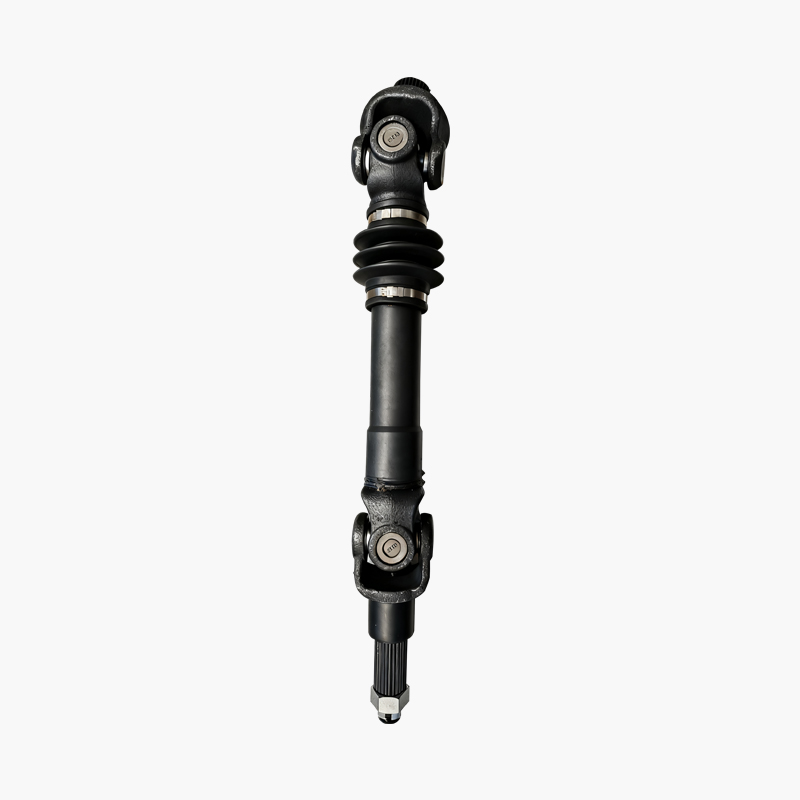
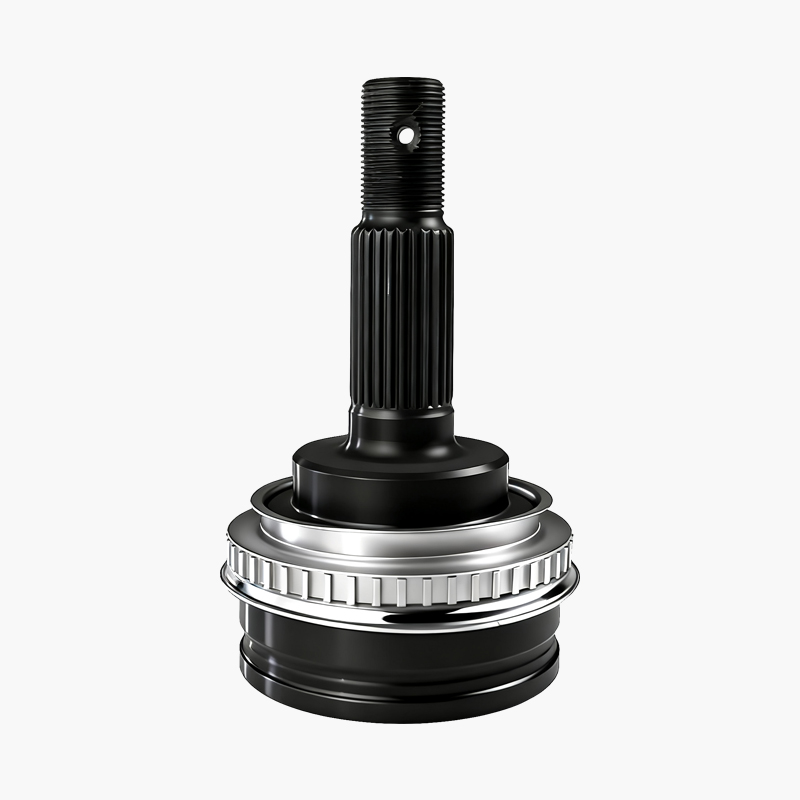
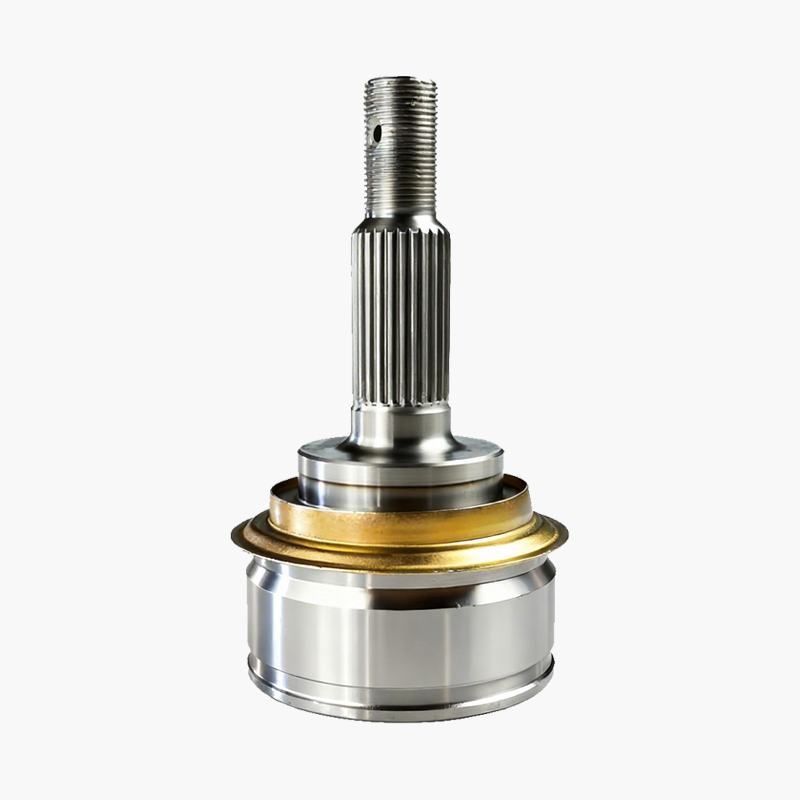
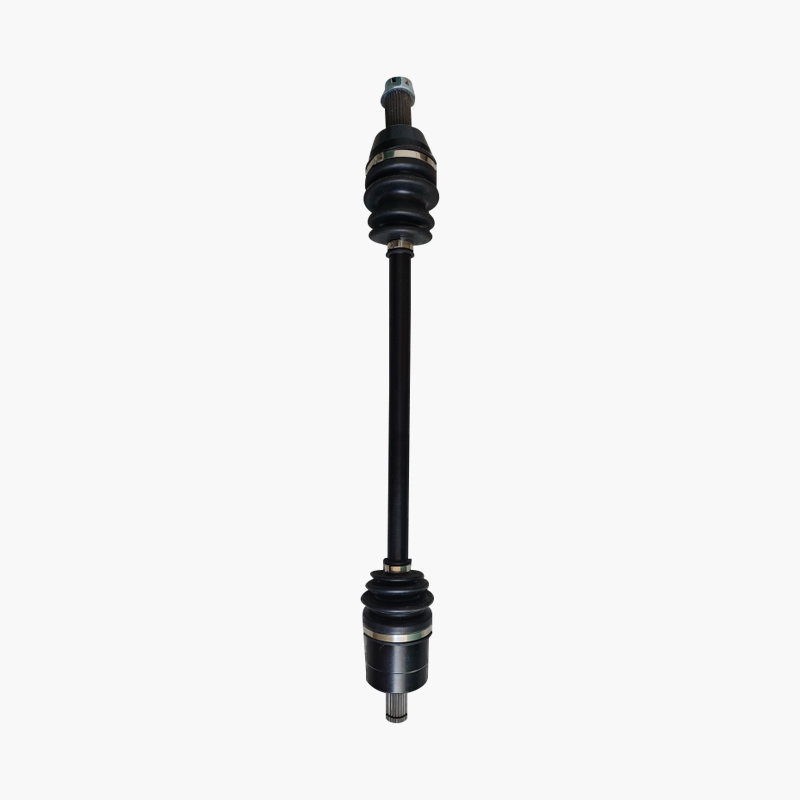
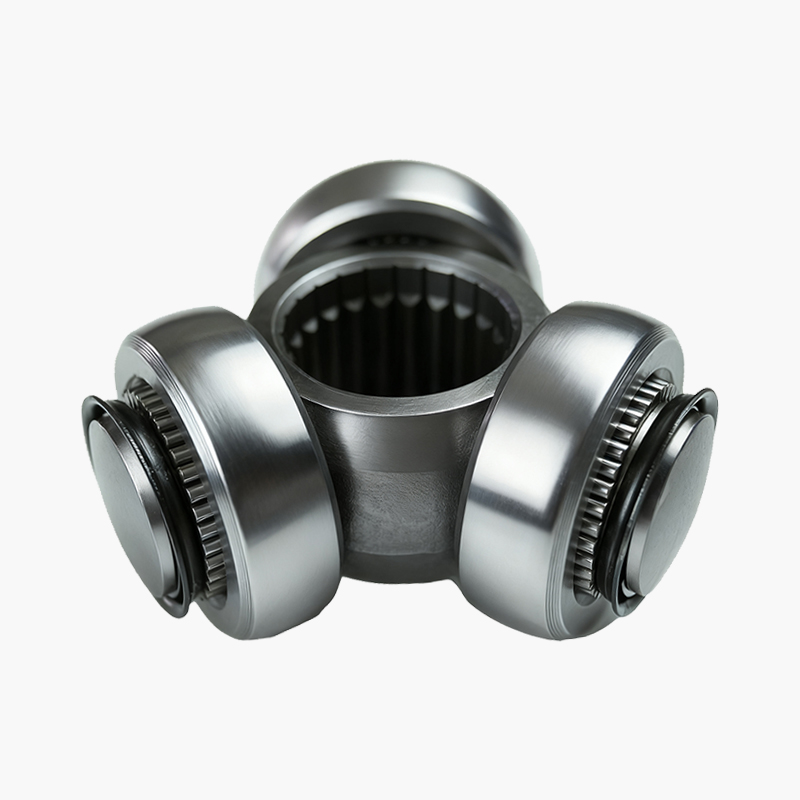
Assembly delays can occur when an intermediate shaft does not fit its mating components as expected. Differences in spline dimensions, bearing seat diameters, or shaft length may require additional adjustments and disrupt production schedules. For equipment builders and industrial buyers, checking these details before delivery is an important part of supplier evaluation. As an Intermediate Shaft Manufacturer, we focus on dimensional control, machining consistency, and clear specifications to help customers reduce avoidable assembly problems.
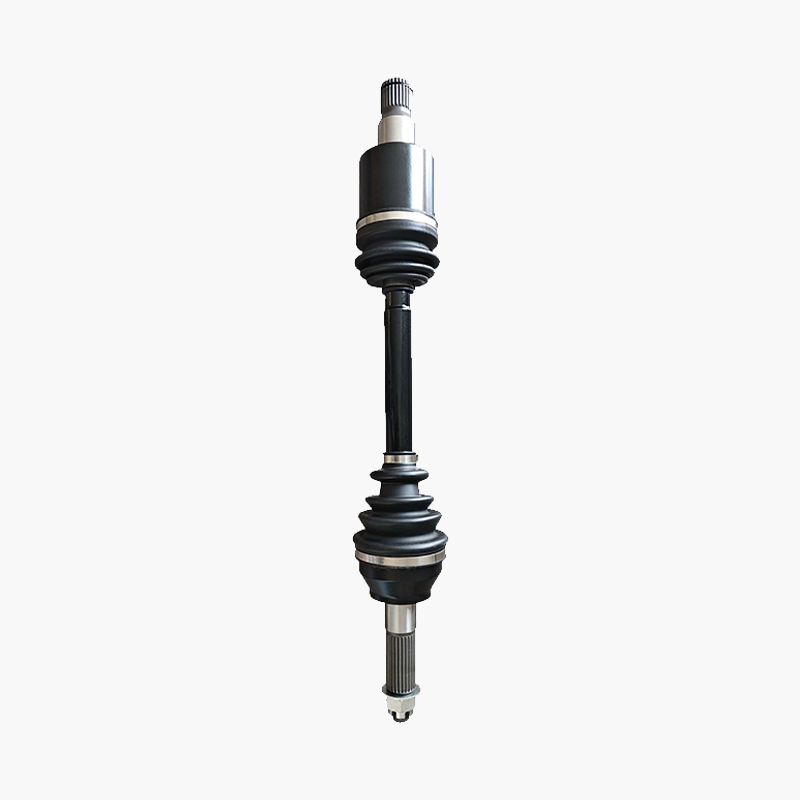
Not every dimension on a shaft drawing has the same functional importance. Bearing seats, connection points, shoulders, and splines often require particular attention because they affect how the shaft fits into the assembly.
Before production, we review the specified dimensions and tolerances to establish the inspection requirements. Buyers can support this process by providing complete drawings and identifying critical features. This helps prevent misunderstandings that might otherwise appear only when the parts reach the assembly line.
Spline connections allow an intermediate shaft to transfer torque to connected components. If the spline profile, tooth dimensions, or fit requirements are incorrect, installation may become difficult or the connection may develop excessive clearance.
When sourcing custom shafts, buyers should provide the required spline specifications and relevant mating-part information. Where applicable, inspection should verify the characteristics defined in the technical drawing rather than relying on a visual check alone.
Material selection affects how a shaft responds to working loads, repeated stress, and wear. A material that suits one transmission system may not be appropriate for another with different operating conditions.
Carbon steel and alloy steel are possible choices, depending on the design. Heat treatment may also be required to achieve specified mechanical properties. We recommend confirming material grades and treatment requirements before production so that manufacturing and inspection follow the intended design.
Surface condition can influence contact between the shaft and its mating components. Rough bearing seats or inconsistent finishing may affect assembly, while excessive runout can contribute to vibration in rotating equipment.
The appropriate inspection method depends on the shaft geometry and application. We pay attention to the functional surfaces and dimensional characteristics specified by the customer. If vibration has already occurred in service, buyers should also examine bearings, alignment, and connected components instead of assuming the shaft is the only cause.
One common source of production errors is the use of outdated technical documents. Even a small design change can affect the shaft length, connection geometry, or installation clearance.
For repeat orders, buyers should confirm the current drawing revision and communicate any changes before manufacturing starts. Keeping purchasing documents, engineering drawings, and inspection criteria aligned helps reduce rework and supports consistency between batches.
Quality expectations should be agreed upon before an order enters production. Depending on the application, inspection may include shaft diameter, overall length, spline dimensions, hardness, material documentation, and surface condition.
We recommend identifying which records are required and how nonconforming parts will be handled. Clear acceptance criteria give both parties a practical basis for reviewing finished components and managing quality concerns.
Choosing an Intermediate Shaft Manufacturer requires attention to machining capability, inspection procedures, and communication throughout the order process. A clear technical agreement helps ensure that the shaft is produced according to the intended design rather than assumptions made during manufacturing.
We work with customers to clarify drawings, identify critical features, and define inspection requirements before production. This approach helps equipment manufacturers manage assembly risks and maintain a more consistent supply of intermediate shafts for their applications.
contact us

Product
INFORMATION
+86-576-87243246
+86-13867673238
+86-576-87278966
Gongcheng North Industrial Zone, Yuhuan City, Zhejiang Province, China

 English
 русский
 Español
 Português
 عربى