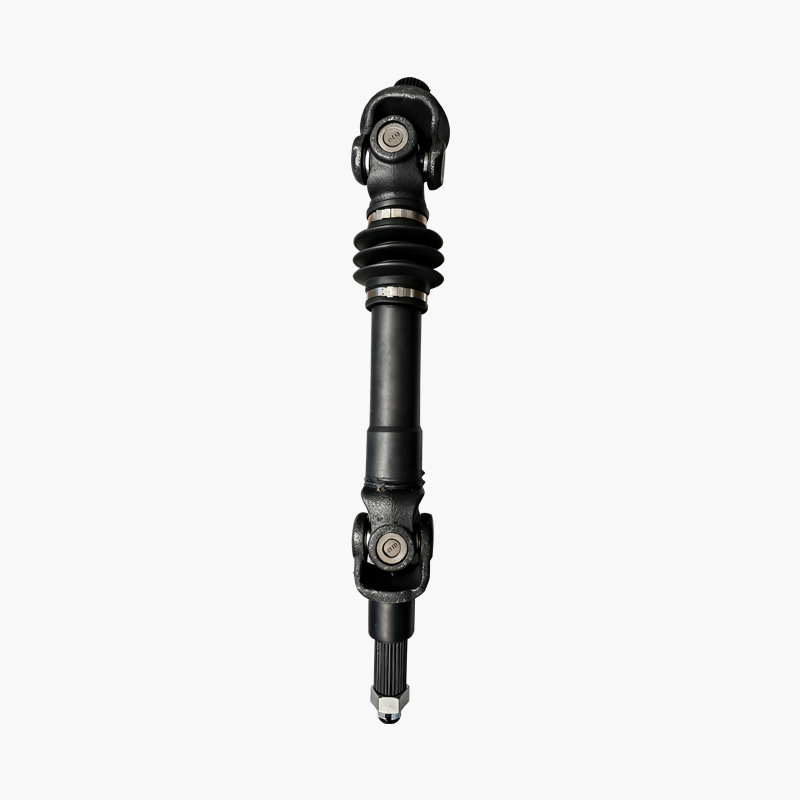
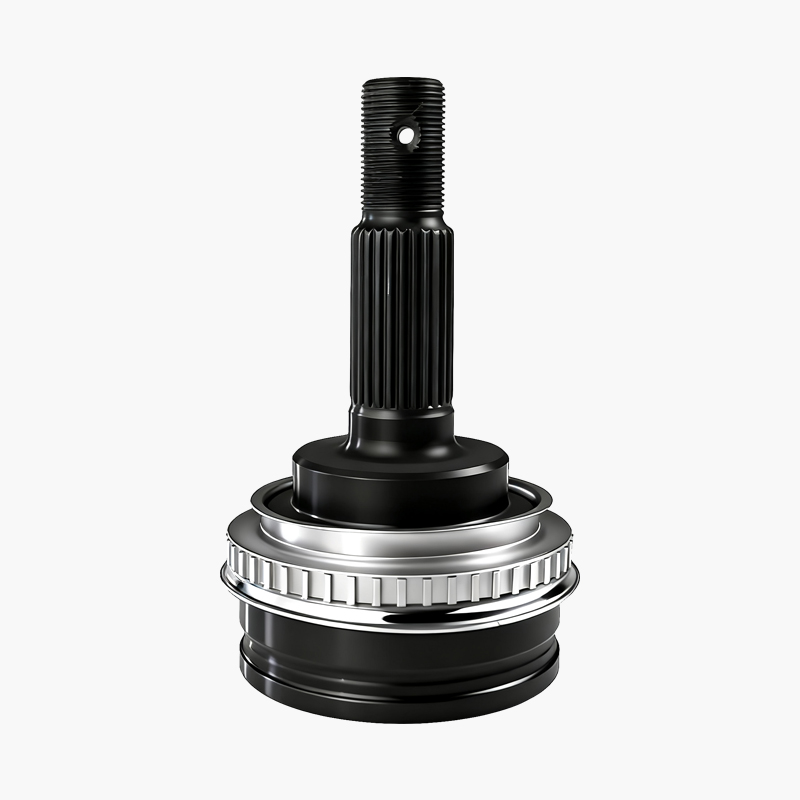
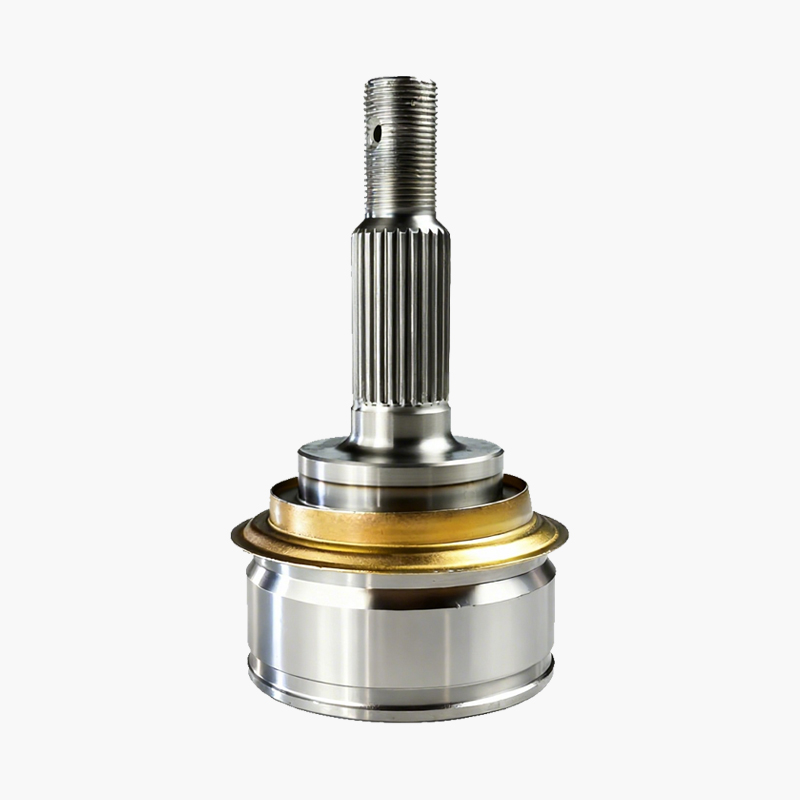
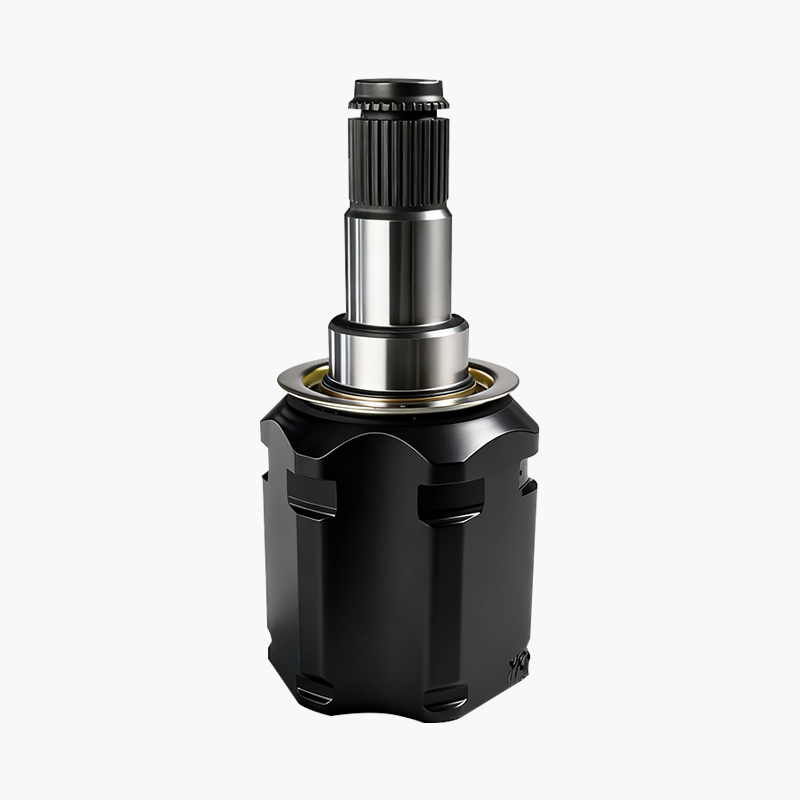
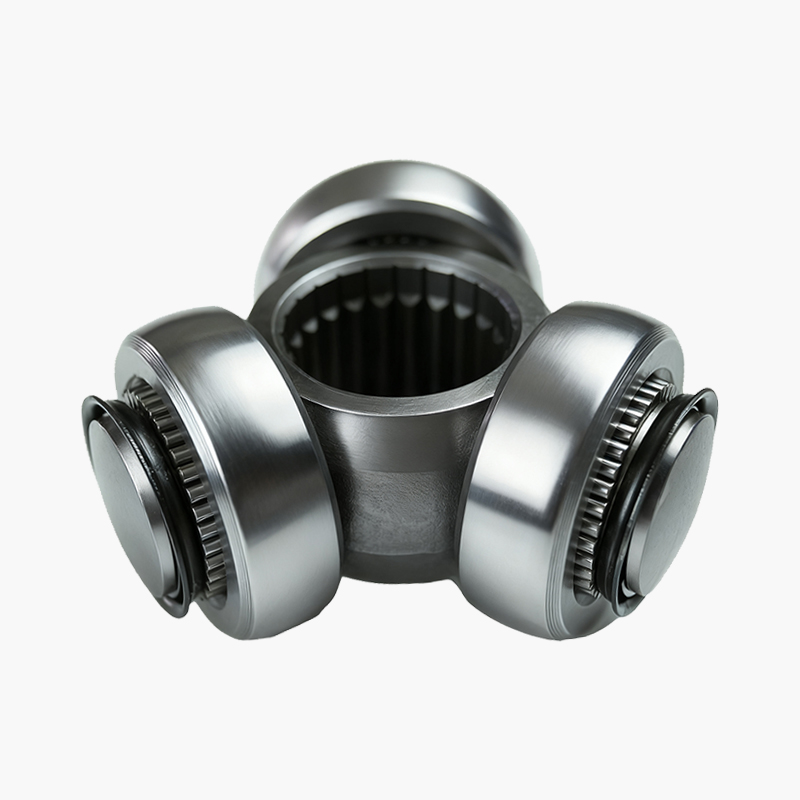
In automotive drivetrain sourcing and repair planning, the decision between genuine and aftermarket components is a key consideration for Mercedes vehicles. Within this topic, C.V. Axle Manufacturer For Mercedes is often discussed in relation to product consistency, compatibility confidence, and long-term operational behavior across different driving conditions.
CV axles are critical drivetrain components responsible for transferring engine torque to the wheels while allowing suspension movement and steering articulation. Because of their mechanical importance, selection decisions can directly influence driving smoothness, durability, and maintenance frequency.
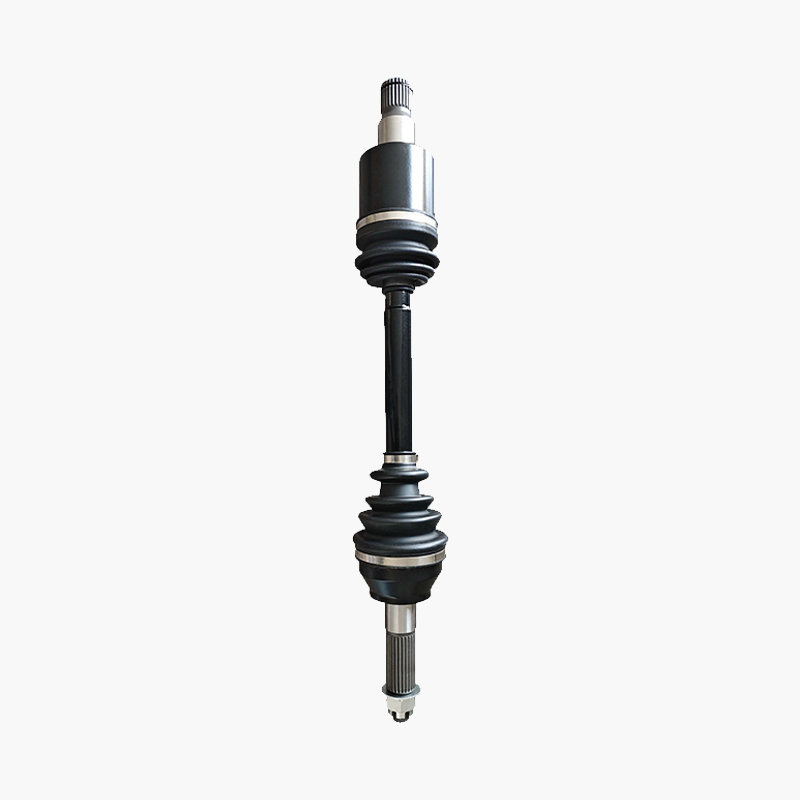
Characteristics of Genuine CV Axle Components
Genuine CV axles are designed in alignment with original vehicle engineering specifications. These components are developed to match exact dimensional, material, and performance requirements defined during vehicle design.
One key characteristic of genuine parts is consistent manufacturing tolerance. This means shaft balance, joint articulation, and spline alignment are controlled within tightly defined parameters. As a result, installation typically requires minimal adjustment, and operational behavior remains predictable under various driving conditions.
Another important aspect is long-term compatibility with vehicle systems. Since these components are designed specifically for Mercedes platforms, they are generally aligned with drivetrain calibration and suspension geometry.
However, availability and cost structure can vary depending on market conditions, which often leads buyers to consider alternative options.
Overview of Aftermarket CV Axle Options
Aftermarket CV axles are produced by independent manufacturers and are designed to fit multiple vehicle configurations. These components often aim to provide functional compatibility across a wider range of models and driving conditions.
Aftermarket products can vary in design approach. Some focus on standard replacement functionality, while others are developed with enhanced durability materials or modified joint designs. This diversity creates a broad selection range, but also requires careful evaluation during sourcing.
One common consideration is variation in manufacturing precision. Differences in machining accuracy, heat treatment processes, and assembly methods may influence rotational smoothness and long-term wear patterns.
Because of these differences, performance consistency may vary between suppliers, making specification verification an important step before selection.
Performance and Driving Behavior Comparison
When comparing genuine and aftermarket CV axles, differences often appear in vibration control, noise levels, and rotational smoothness.
Genuine components tend to maintain stable NVH (noise, vibration, harshness) characteristics due to strict engineering alignment. This can contribute to smoother acceleration and more consistent steering response.
Aftermarket components may perform similarly under normal conditions, but variations in joint precision or shaft balance can sometimes become noticeable under higher load or sustained driving. These differences may appear as slight vibration or changes in drivetrain feel.
Driving style and vehicle usage conditions also influence how these differences are perceived. Vehicles used in urban driving may experience different stress patterns compared to those used in long-distance or high-load environments.
Installation and Compatibility Considerations
Regardless of component type, installation quality plays a significant role in final performance outcomes. Even a well-manufactured axle can develop issues if not installed correctly.
Proper alignment during installation is essential to ensure that the axle operates within its intended movement range. Incorrect seating in the hub or transmission interface can create uneven load distribution and lead to vibration.
Torque specification adherence is also important. Uneven or incorrect tightening can affect rotational balance and contribute to long-term wear.
Compatibility verification remains a critical step, particularly for aftermarket components. Matching spline count, shaft length, and joint design helps reduce the risk of installation issues.
Selection Factors in Procurement Decisions
When choosing between genuine and aftermarket CV axles, several factors are typically evaluated. These include application requirements, expected usage conditions, and maintenance strategy.
For applications requiring high consistency in drivetrain behavior, genuine components are often considered due to their controlled specification alignment. In contrast, aftermarket options may be selected when flexibility in sourcing or cost structure is a priority consideration.
Technical documentation and specification clarity from suppliers play an important role in decision-making. Clear identification of dimensions and design parameters helps ensure better compatibility outcomes.
Long-Term Maintenance Implications
CV axle selection can influence long-term maintenance patterns. Components with higher consistency in manufacturing and installation alignment may contribute to more stable operation over time.
Regular inspection remains important regardless of component type. Monitoring for boot condition, grease leakage, and joint wear helps identify early signs of deterioration.
In Mercedes applications, where drivetrain smoothness is closely tied to overall driving experience, selection and installation decisions work together to determine long-term system stability and performance behavior.
contact us

Product
INFORMATION
+86-576-87243246
+86-13867673238
+86-576-87278966
Gongcheng North Industrial Zone, Yuhuan City, Zhejiang Province, China

 English
 русский
 Español
 Português
 عربى
عربى