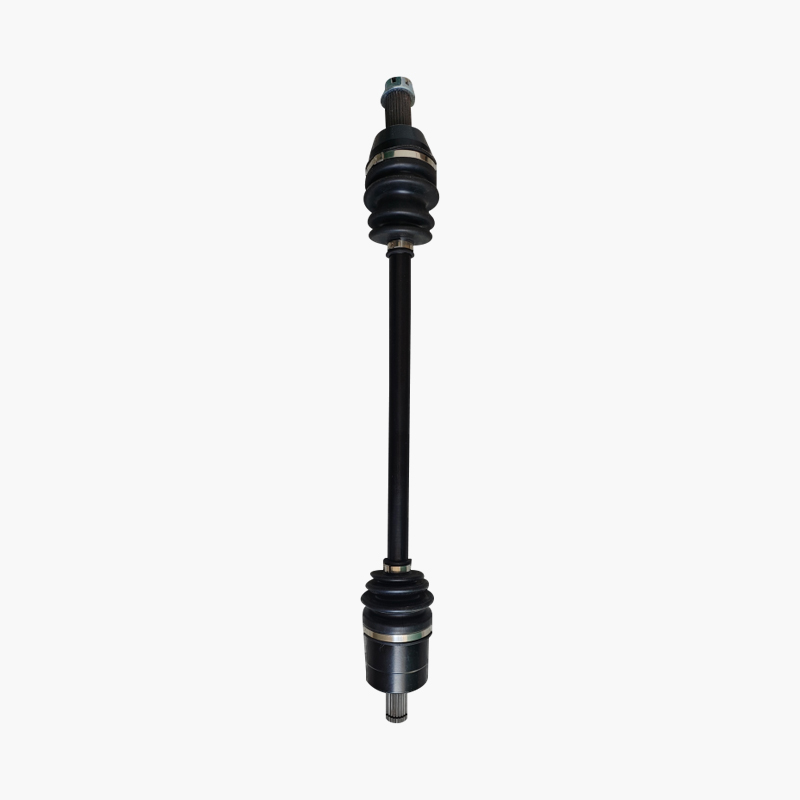
In drivetrain maintenance and repair planning, identifying the correct timing for CV axle replacement is an important part of vehicle reliability management. Within this context, C.V. Axle Manufacturer For Mercedes is often referenced when discussing replacement criteria, symptom recognition, and component selection for Mercedes vehicles operating under varied driving conditions.
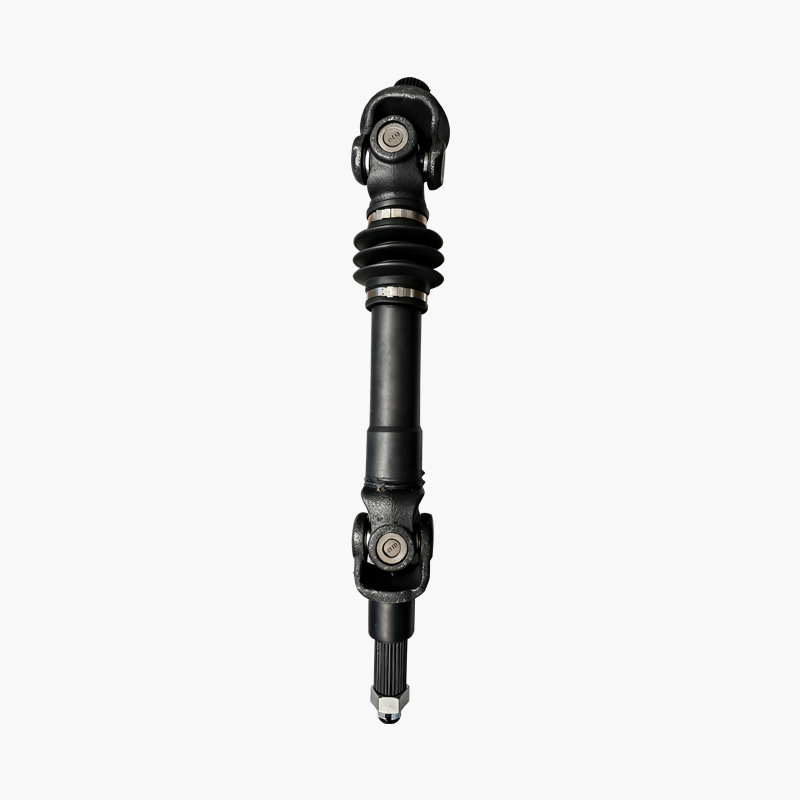
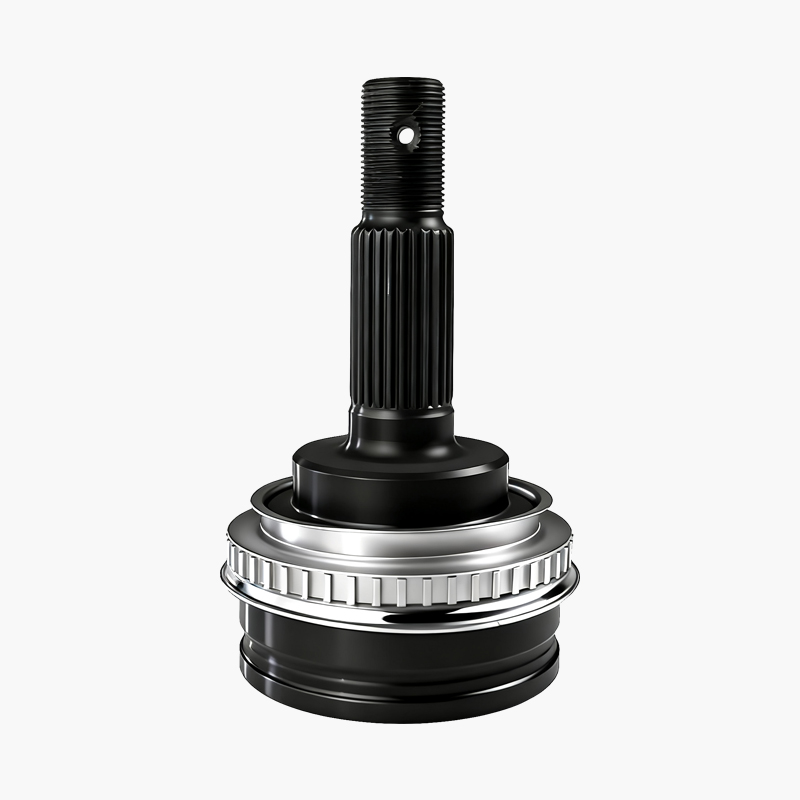
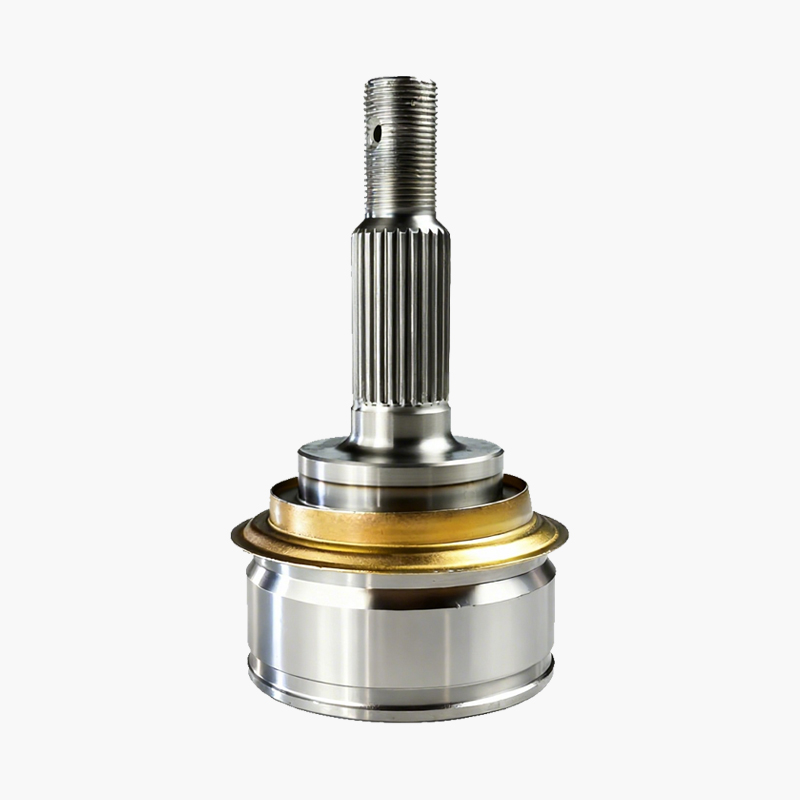
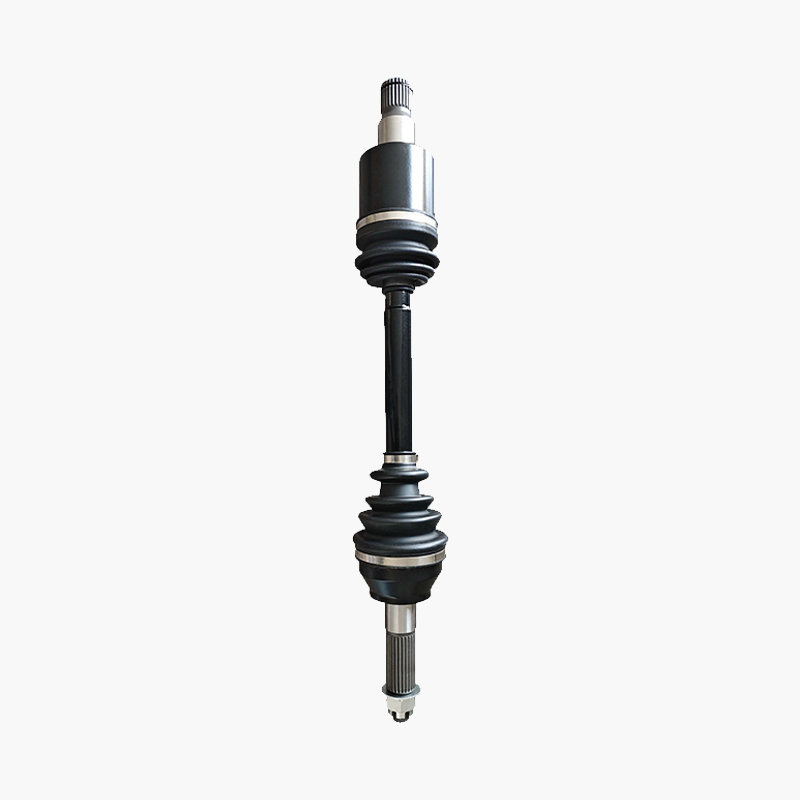
The CV axle, also known as the half shaft, is responsible for transferring engine torque to the wheels while accommodating suspension movement and steering angles. Because of this dual function, wear in the axle assembly can gradually affect both driving comfort and vehicle stability.
Increasing Vibration During Acceleration
One of the key indicators of CV axle wear is vibration that becomes more noticeable during acceleration. This symptom often intensifies as vehicle speed increases or when the engine delivers higher torque output.
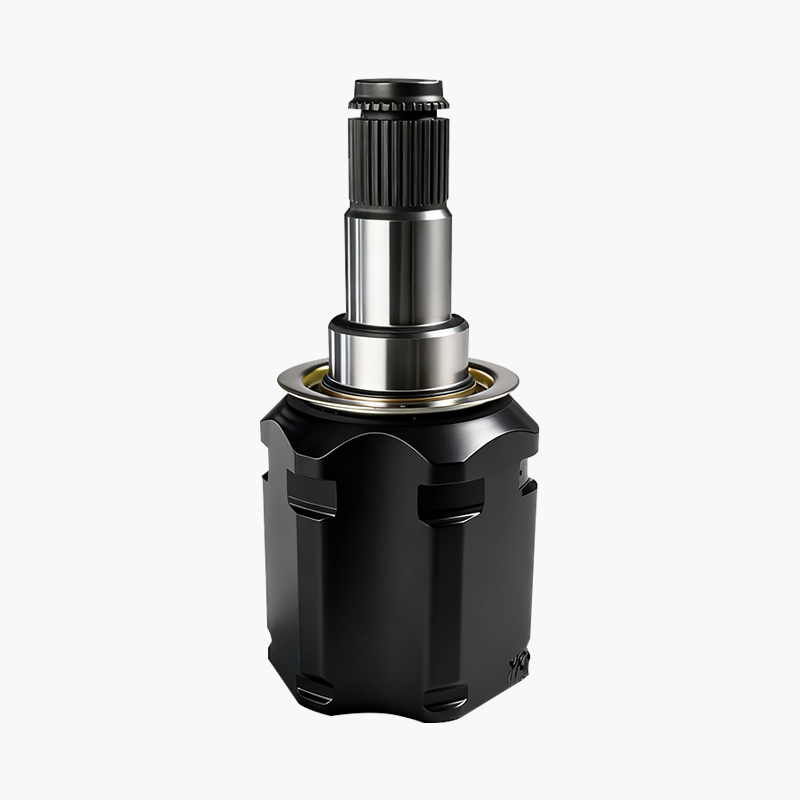
Unlike wheel imbalance, which tends to be speed-dependent, CV axle-related vibration is more closely linked to load conditions. When the inner CV joint begins to wear, torque transfer may become uneven, leading to oscillation during acceleration phases.
In some cases, the vibration may initially appear mild but gradually become more frequent under everyday driving conditions. This change in behavior is often a signal that internal joint wear is progressing.
Clicking or Clunking Sounds During Steering
Another common replacement indicator is the presence of clicking or clunking noises during steering maneuvers. These sounds are typically more noticeable at lower speeds and during tighter turning angles.
The outer CV joint is usually the source of this symptom. As internal components wear, smooth articulation becomes inconsistent, resulting in intermittent contact between joint surfaces.
The noise may start as occasional clicks but can become more consistent over time, especially when the vehicle is under load while turning. This progression often indicates increasing joint wear.
Grease Leakage and CV Boot Damage
Physical inspection of the axle assembly can reveal early warning signs of deterioration. One of the most visible indicators is grease leakage around the wheel area.
CV axles are protected by rubber boots that contain lubricating grease and prevent contamination. When these boots crack or tear, grease can escape while dirt and moisture enter the joint assembly.
Once contamination occurs, internal wear accelerates due to increased friction and abrasive particles. This condition often leads to faster degradation of the joint surfaces and reduced operational smoothness.
Changes in Driving Feel and Power Delivery
As CV axle wear progresses, drivers may notice changes in how the vehicle responds during acceleration and gear changes. Power delivery may feel less smooth, and slight hesitation or uneven response may become noticeable.
In some cases, a clunking sensation may occur when shifting between forward and reverse movement. This is often associated with increased play within the joint assembly.
These symptoms tend to develop gradually, making early recognition important to prevent further drivetrain stress. Continued operation under worn conditions may increase mechanical load on surrounding components.
Diagnostic Methods for Accurate Assessment
Before confirming replacement, a structured diagnostic approach is typically used to verify whether the CV axle is the source of the symptoms. This helps avoid unnecessary part replacement and ensures correct repair direction.
Road testing is often performed to observe whether vibration or noise changes with steering angle, speed, or acceleration load. These patterns help differentiate axle-related issues from suspension or wheel-related problems.
Visual inspection is also important. Technicians check for torn CV boots, grease leakage, and joint looseness. In some cases, lifting the vehicle allows for manual testing of shaft play and joint movement.
Replacement Timing and Maintenance Considerations
Timing for replacement often depends on symptom severity and driving conditions. Early-stage symptoms may be intermittent, while more advanced wear can produce consistent vibration or noise during regular driving.
Delaying replacement may lead to increased stress on related drivetrain components. This can include additional wear on wheel bearings or transmission output components due to imbalance or irregular torque transfer.
In many maintenance strategies, replacing the full CV axle assembly is preferred over partial repair when internal joint wear is confirmed. This approach helps restore consistent drivetrain operation.
Importance in Mercedes Drivetrain Systems
In Mercedes applications, drivetrain smoothness and stability are closely linked to CV axle condition. Maintaining proper axle performance supports consistent acceleration behavior and steering response.
Regular inspection and early symptom recognition contribute to more stable vehicle operation. Attention to vibration changes, noise patterns, and visible boot condition helps identify replacement needs before more extensive issues develop.
contact us

Product
INFORMATION
+86-576-87243246
+86-13867673238
+86-576-87278966
Gongcheng North Industrial Zone, Yuhuan City, Zhejiang Province, China

 English
 русский
 Español
 Português
 عربى
عربى