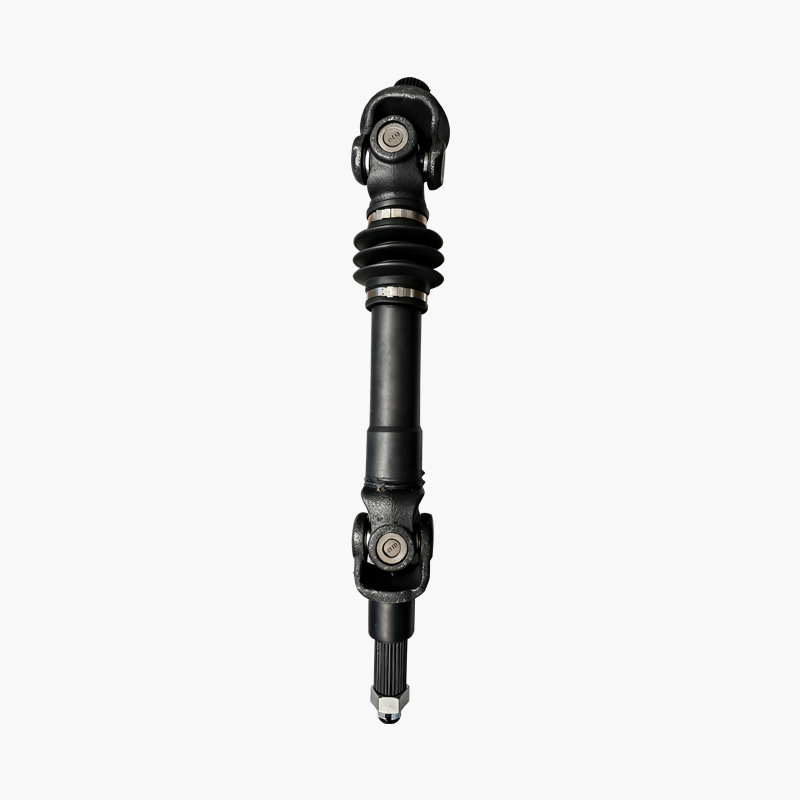
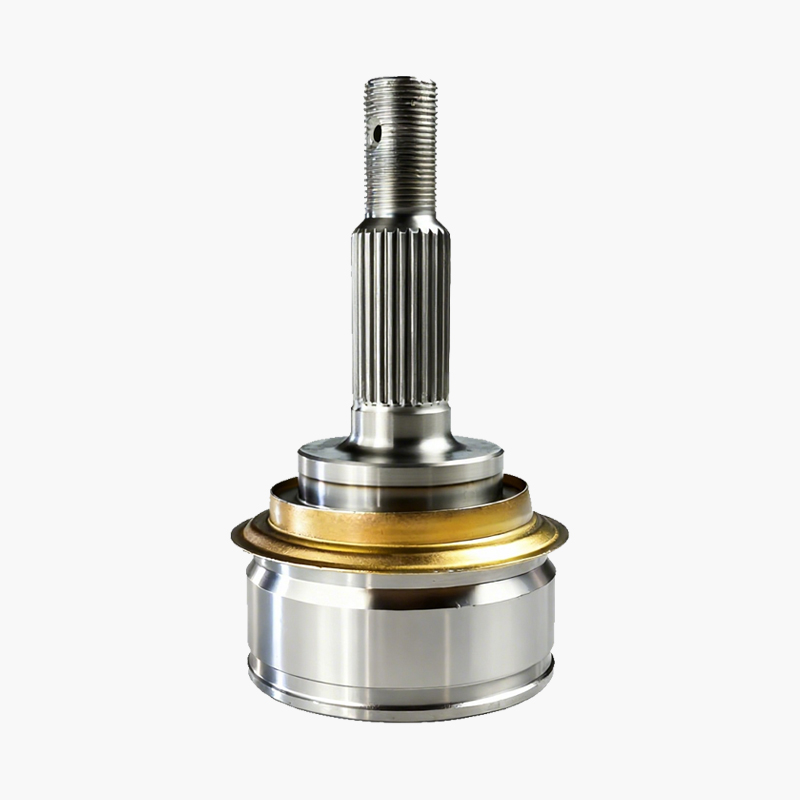
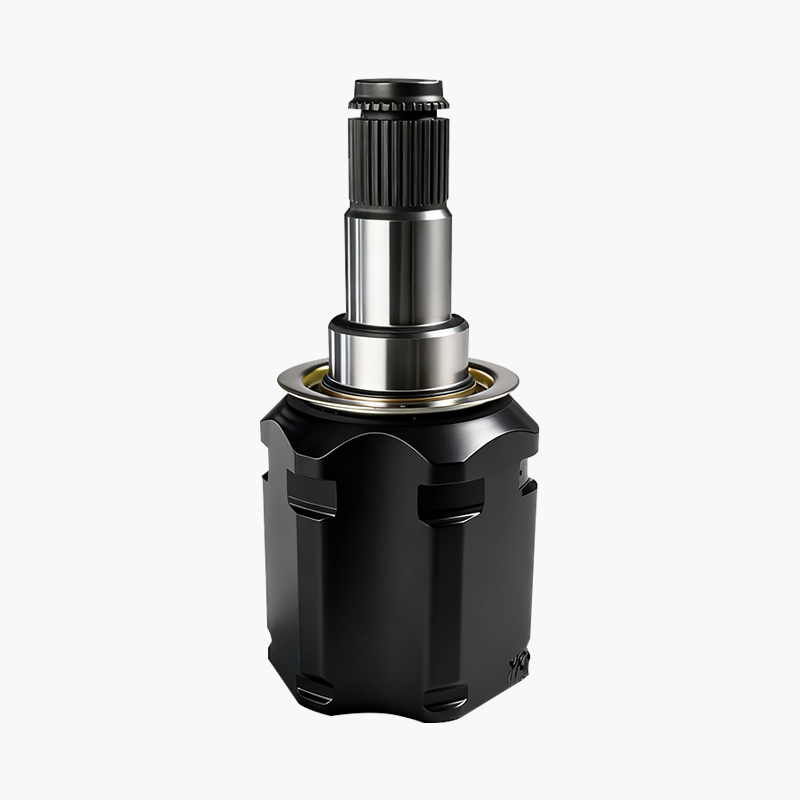
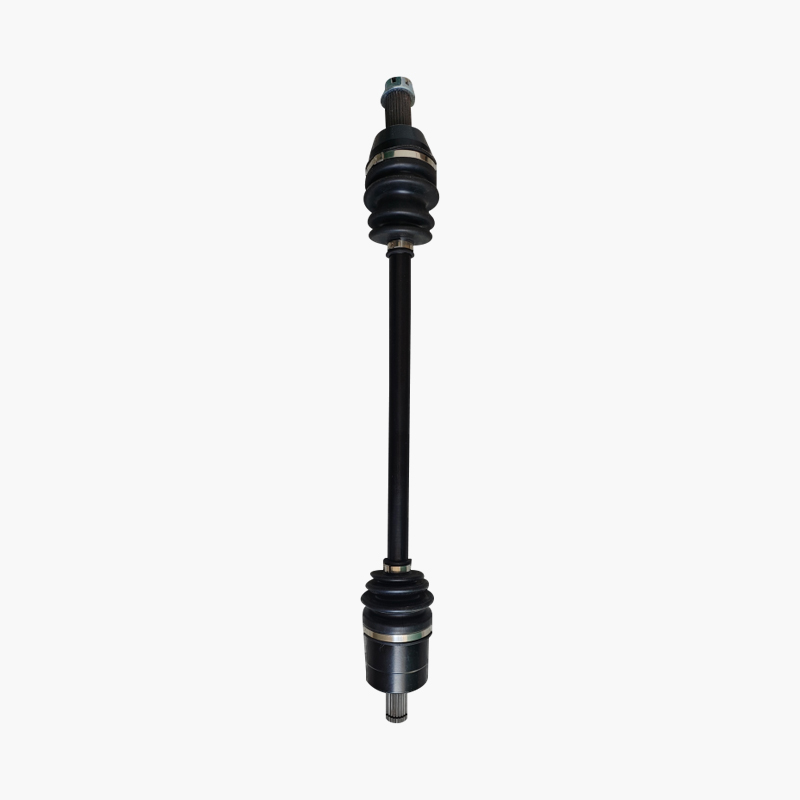
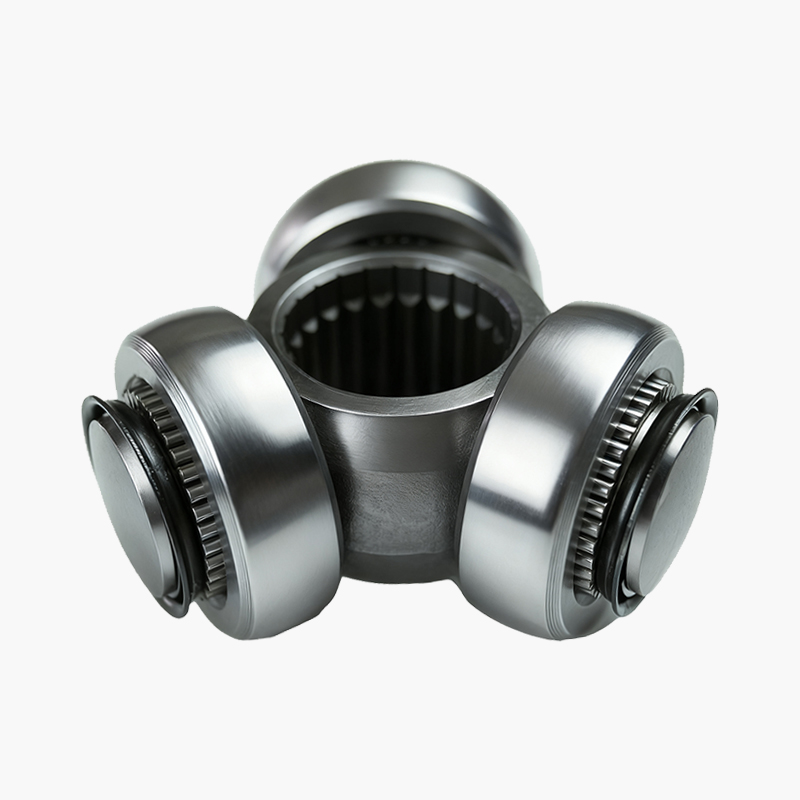
In drivetrain service and component sourcing discussions, noise and vibration issues are often closely associated with CV axle condition in Mercedes vehicles. Within this technical context, C.V. Axle Manufacturer for Mercedes is frequently referenced when evaluating product consistency, installation accuracy, and long-term operational smoothness across different driving environments.
Vibration and clicking noises are two of the most common symptoms reported in CV axle-related issues. While these symptoms may appear similar on the surface, they often originate from different mechanical sources within the axle assembly or surrounding drivetrain components.
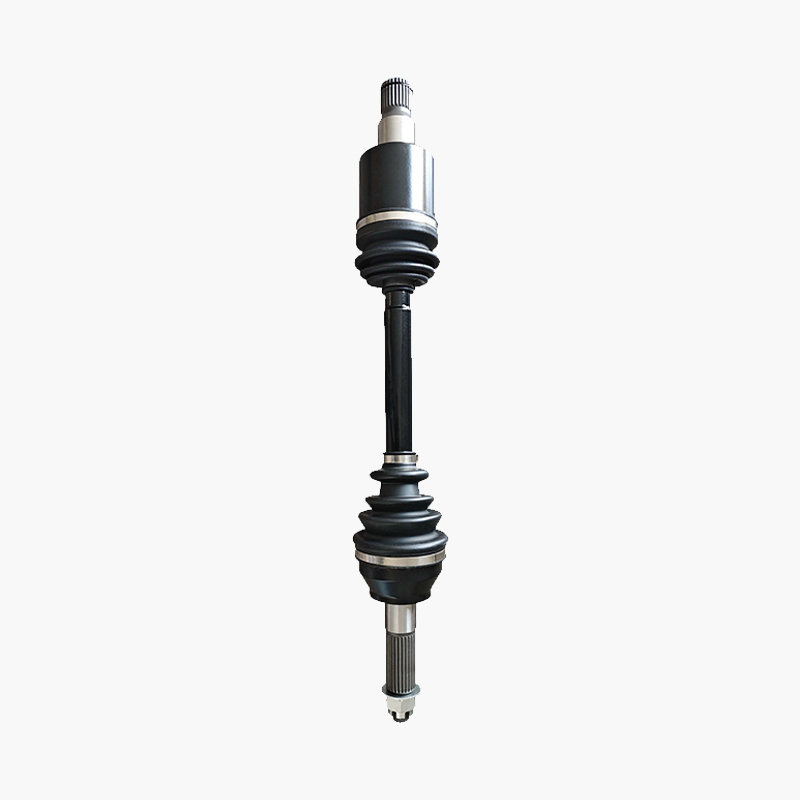
Sources of Clicking Noises in CV Axles
Clicking or ticking sounds during driving are commonly linked to wear in the outer CV joint. This joint is responsible for transmitting torque while allowing steering angle changes, especially during cornering.
As the internal components of the joint begin to wear, smooth rotational movement becomes inconsistent. Under steering load, the worn surfaces may produce intermittent contact, which results in a repetitive clicking sound. This is often more noticeable at lower speeds and during tighter turns.
In some cases, the noise may start intermittently and gradually become more frequent as wear progresses. The severity of the sound often depends on steering angle, vehicle load, and road surface conditions.
Causes of Vibration During Acceleration
Vibration during acceleration is typically associated with issues in the inner CV joint or shaft balance. Unlike turning noise, this symptom is often felt through the vehicle body rather than heard externally.
When the inner joint loses stability, torque transfer between the transmission and wheels becomes less uniform. This can result in oscillation during acceleration, particularly under higher load conditions.
Shaft imbalance may also contribute to vibration. If the axle is not rotating evenly due to manufacturing variation, wear, or damage, it can create rhythmic shaking that becomes more noticeable as speed increases.
Installation Factors Affecting Noise and Stability
Installation quality plays a significant role in whether vibration or noise develops after replacement. Even a correctly specified axle can produce issues if installation procedures are not properly followed.
Incorrect seating of the axle into the hub assembly or transmission interface can introduce alignment deviations. These small deviations may not be immediately visible but can affect rotational smoothness during operation.
Torque application is another important factor. If mounting bolts are not tightened evenly or according to specification, uneven stress distribution may occur, leading to vibration under load.
Proper alignment during installation is essential to ensure that the axle operates within its intended movement range without unnecessary stress.
Material and Manufacturing Influence on NVH Behavior
Noise, vibration, and harshness (NVH) characteristics are influenced not only by installation but also by material quality and manufacturing precision. CV axles designed for Mercedes applications require tight tolerances to maintain smooth torque transfer.
Variations in heat treatment, steel composition, and joint machining accuracy can affect how smoothly the joint rotates under load. Even small deviations in these parameters may result in noticeable differences in driving comfort.
In aftermarket production, manufacturing consistency can vary depending on production standards and process control. These differences may become more apparent under sustained driving conditions or higher torque demand.
Preventing Early-Stage Noise Development
Preventing vibration and clicking noises often begins with routine inspection and early detection of wear. CV boots should be checked regularly for cracks or grease leakage, as protective failure can quickly lead to joint contamination.
Avoiding harsh driving conditions such as aggressive acceleration, frequent sharp turning, or driving on uneven surfaces can also help reduce stress on the axle assembly.
Proper lubrication and sealed joint integrity are essential for maintaining smooth operation over time. Once internal contamination begins, wear accelerates, and noise symptoms are more likely to appear.
Diagnostic Approach for Accurate Identification
Accurate diagnosis is important because vibration and clicking noises can also originate from wheel bearings, suspension components, or tire imbalance. A structured inspection process is often used to isolate the source.
Road testing under controlled conditions helps identify whether the noise changes with steering angle, acceleration, or speed. Visual inspection can reveal boot damage or grease leakage, while mechanical testing can identify joint looseness or shaft imbalance.
Correct identification ensures that replacement efforts address the actual source of the issue rather than secondary symptoms.
Operational Stability in Mercedes Applications
In Mercedes drivetrain systems, maintaining smooth power delivery is closely linked to axle condition and installation quality. When properly matched and installed, CV axles contribute to stable acceleration and consistent steering response.
Attention to both component quality and installation precision helps reduce the likelihood of vibration or clicking noises during operation, supporting more stable performance across varied driving conditions.
contact us

Product
INFORMATION
+86-576-87243246
+86-13867673238
+86-576-87278966
Gongcheng North Industrial Zone, Yuhuan City, Zhejiang Province, China

 English
 русский
 Español
 Português
 عربى
عربى