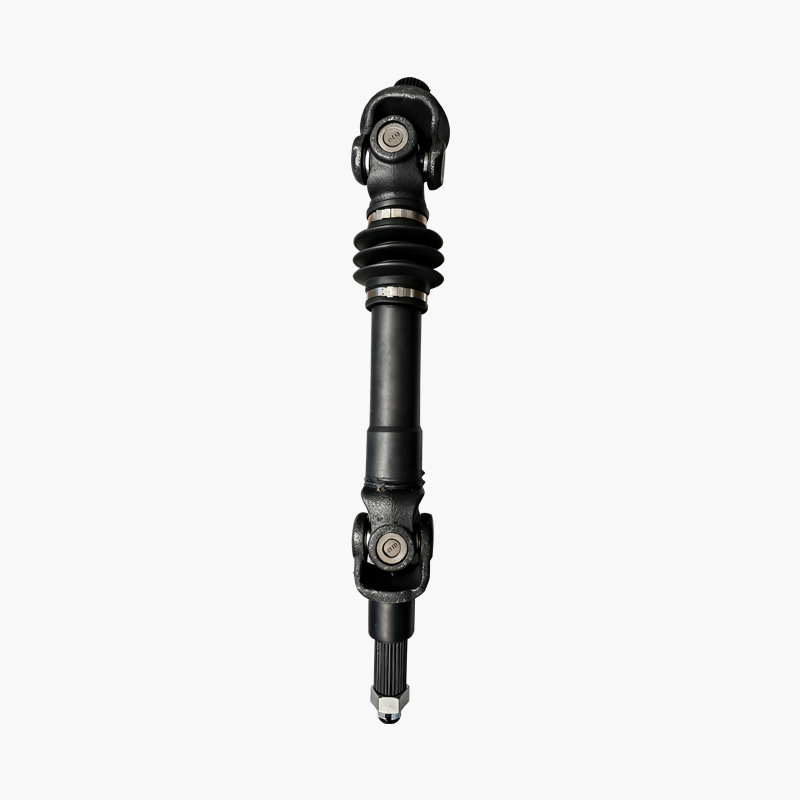
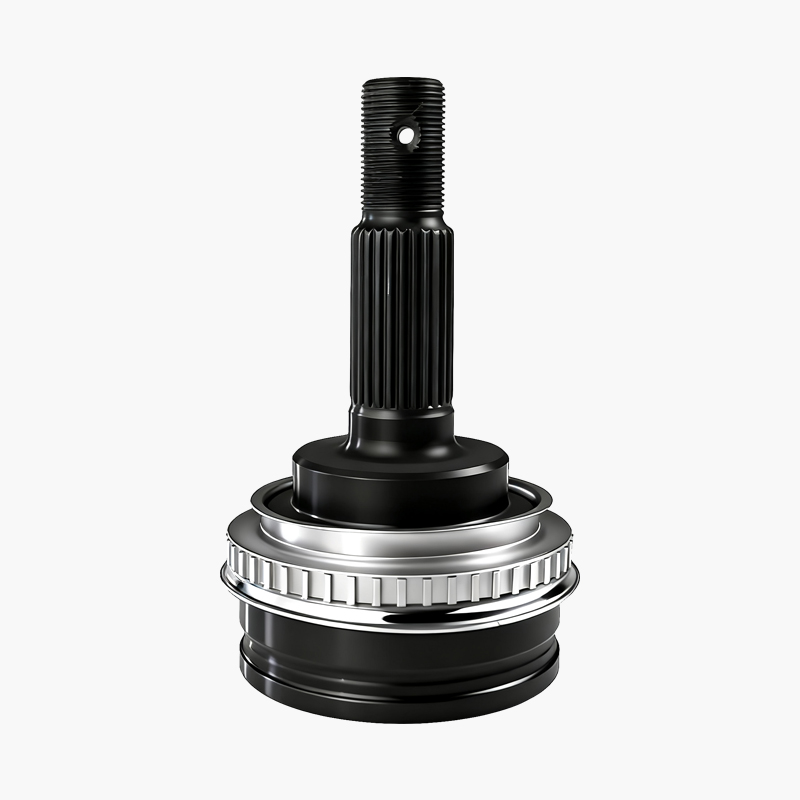
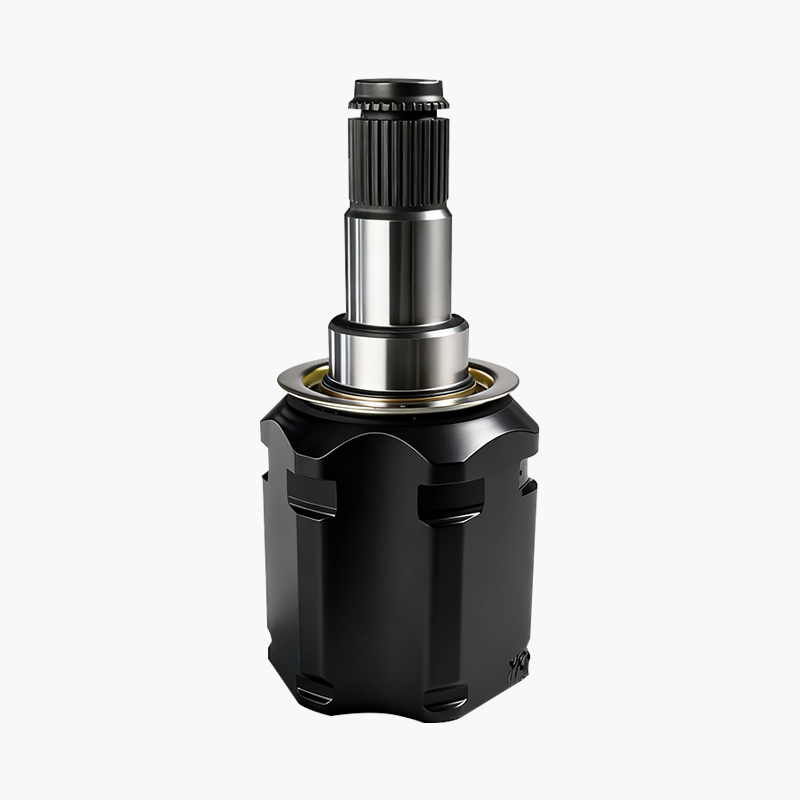
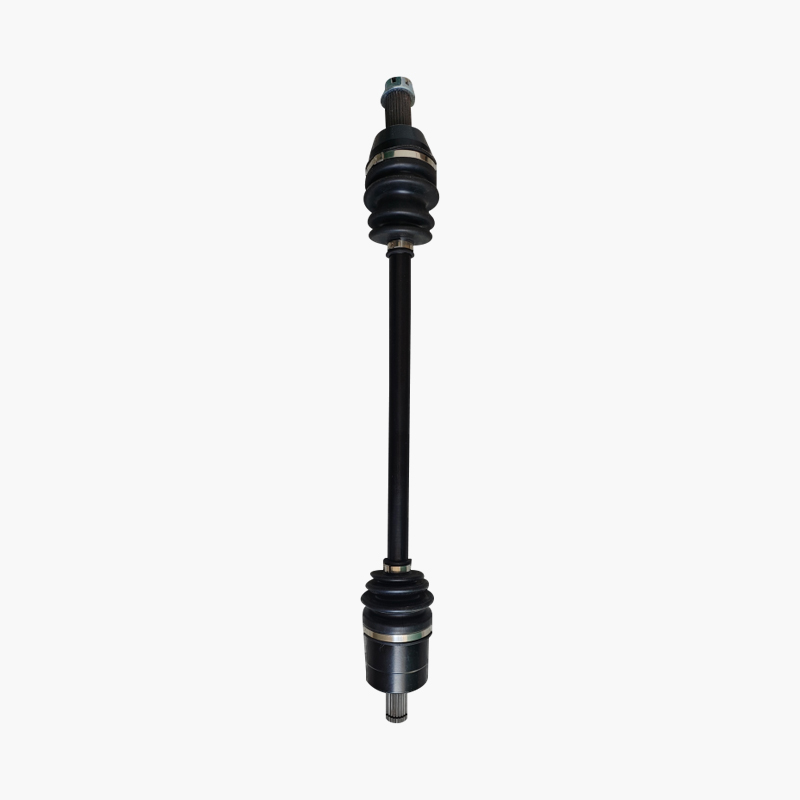
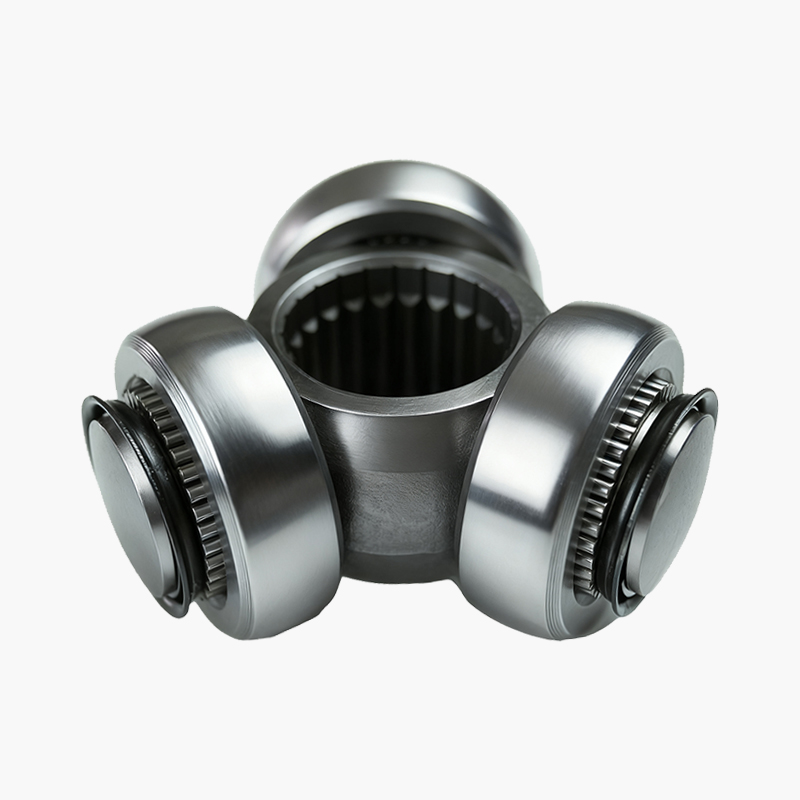
In drivetrain maintenance discussions, CV axle condition is often a key focus for both repair technicians and parts distributors working with Mercedes vehicles. Within this context, C.V. Axle Manufacturer for Mercedes is frequently referenced in relation to product reliability, failure patterns, and replacement timing across different driving conditions.
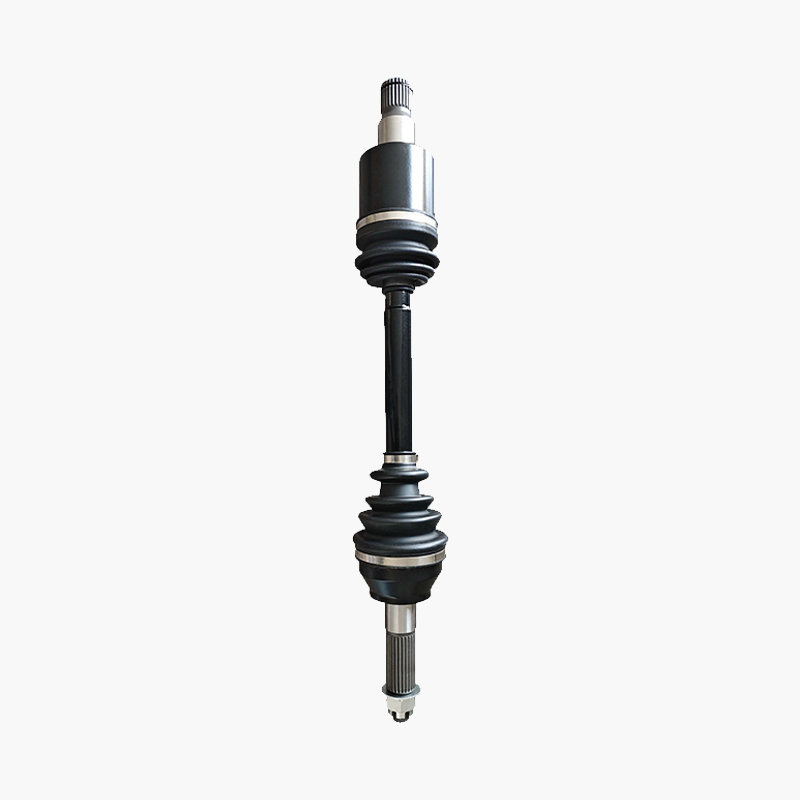
A half shaft, commonly known as a CV axle, plays a critical role in transferring power from the transmission to the wheels while allowing suspension movement and steering articulation. When this component begins to wear, the symptoms often develop gradually and become more noticeable under load or during turning maneuvers.
Clicking Noise During Turning
One of the most recognizable signs of CV axle wear is a clicking or popping sound when turning the steering wheel. This noise typically becomes more noticeable at lower speeds, especially during tight turns such as parking or U-turns.
The sound is usually caused by wear in the outer CV joint, where the internal bearings and cage structure begin to lose smooth motion. As wear progresses, the joint no longer maintains consistent rotation under angle, resulting in intermittent metal-to-metal contact.
In many cases, the noise may initially appear only during sharp turns but can gradually become more frequent as wear increases.
Vibration During Acceleration
Another common symptom is vibration felt through the vehicle during acceleration. This vibration often increases with speed and load, and may be more noticeable when the vehicle is under stronger torque demand.
This condition can be linked to an imbalance in the axle shaft or wear in the inner CV joint. When the inner joint loses stability, it may struggle to maintain consistent power transfer alignment, leading to uneven rotational movement.
Unlike tire-related vibration, which is usually speed-specific, CV axle vibration is often more noticeable during acceleration phases rather than constant cruising.
Grease Leakage and Boot Damage
Physical inspection can also reveal early warning signs of axle deterioration. One of the most common indicators is grease leakage around the wheel area.
CV joints are protected by rubber boots filled with lubricating grease. When these boots crack or tear, grease escapes, and contaminants such as dust and moisture can enter the joint. This contamination accelerates internal wear and reduces joint smoothness over time.
Once the protective seal is compromised, the internal components are exposed to friction and debris, which can significantly shorten service life if not addressed promptly.
Unstable Power Delivery and Driving Feel Changes
As wear progresses, drivers may notice changes in how power is delivered to the wheels. Acceleration may feel less smooth, and the vehicle may exhibit slight hesitation during throttle input.
These symptoms are often subtle at first but become more noticeable as joint wear increases. In some cases, the vehicle may also produce minor clunking sounds when shifting between forward and reverse movement.
This type of behavior is typically associated with internal joint play, where components no longer maintain tight engagement during torque transfer.
Diagnosis and Replacement Considerations
Proper diagnosis is important before replacing a CV axle, as similar symptoms can also originate from suspension or wheel-related components. A controlled road test combined with visual inspection is often used to confirm the source of the issue.
During inspection, technicians typically check for boot damage, shaft movement irregularities, and joint looseness. If internal wear is confirmed, replacement of the full axle assembly is often preferred over partial repair, as internal CV joint damage is not always serviceable separately.
Replacement timing is usually determined based on symptom severity and driving conditions. Delayed replacement may increase the risk of further drivetrain stress or unexpected failure during operation.
Maintenance Awareness and Driving Conditions
Driving habits and environmental conditions can influence CV axle lifespan. Frequent sharp turning, uneven road surfaces, and exposure to debris can accelerate wear on protective boots and joint surfaces.
Regular inspection of the axle assembly can help identify early signs of deterioration. Attention to noise changes, vibration patterns, and visible grease leakage can support early intervention and reduce the likelihood of more extensive drivetrain issues.
In Mercedes applications, where drivetrain refinement is an important performance characteristic, maintaining CV axle condition contributes to overall driving stability and smooth power delivery across different operating conditions.
contact us

Product
INFORMATION
+86-576-87243246
+86-13867673238
+86-576-87278966
Gongcheng North Industrial Zone, Yuhuan City, Zhejiang Province, China

 English
 русский
 Español
 Português
 عربى
عربى