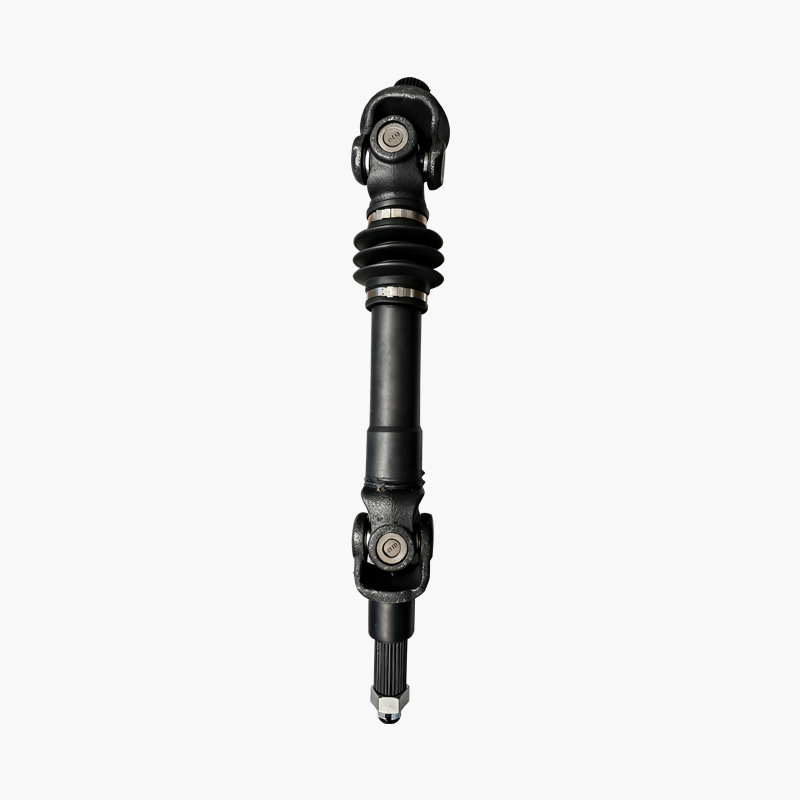
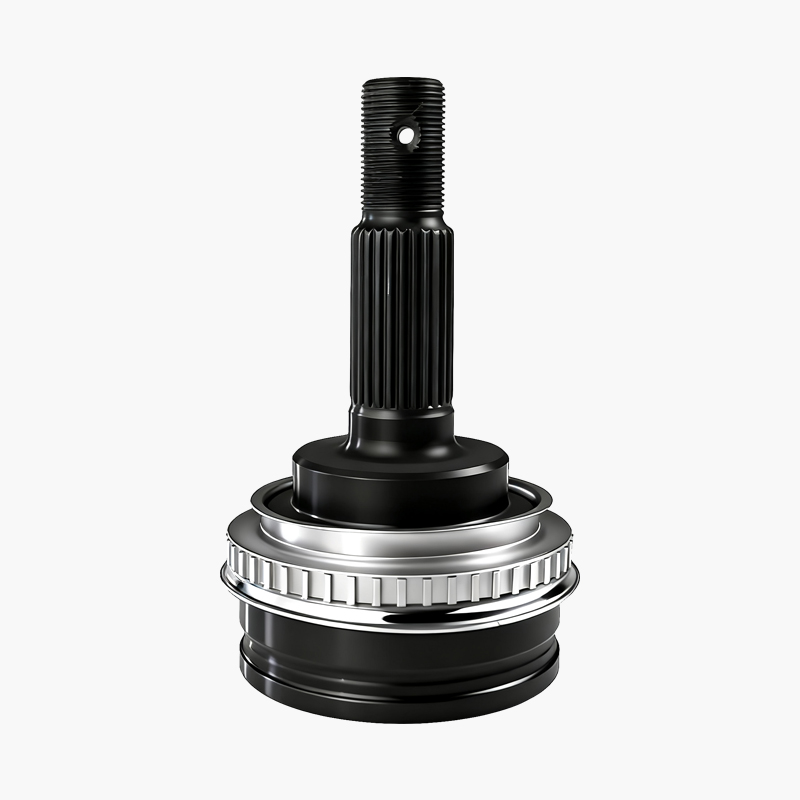
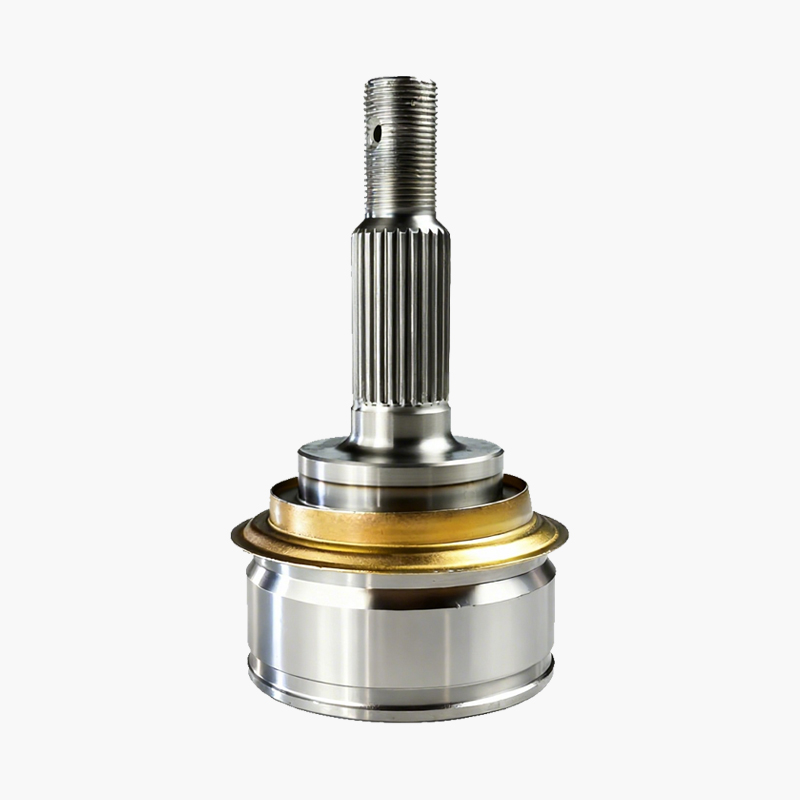
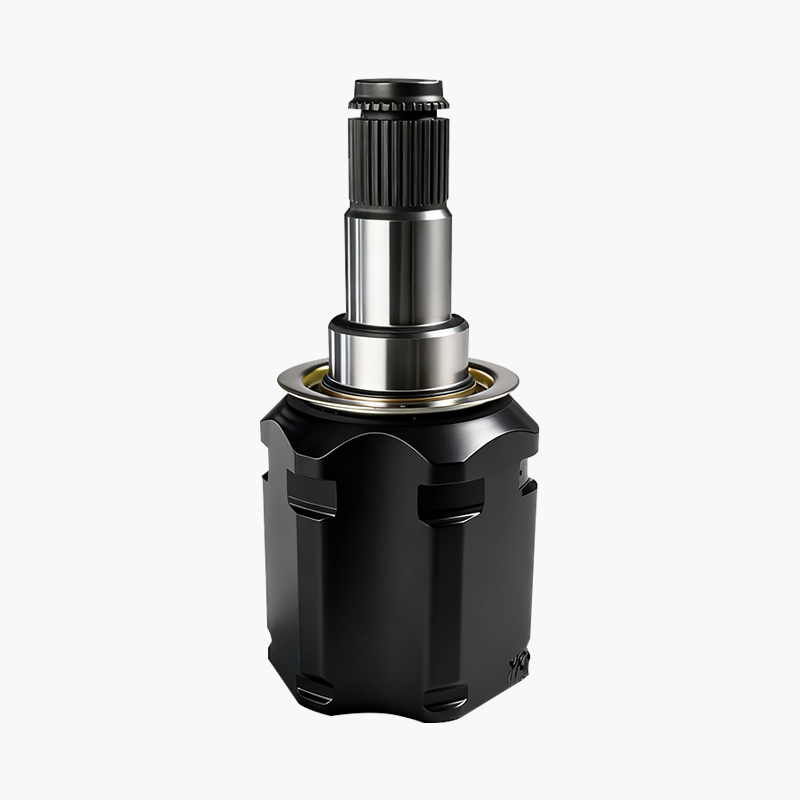
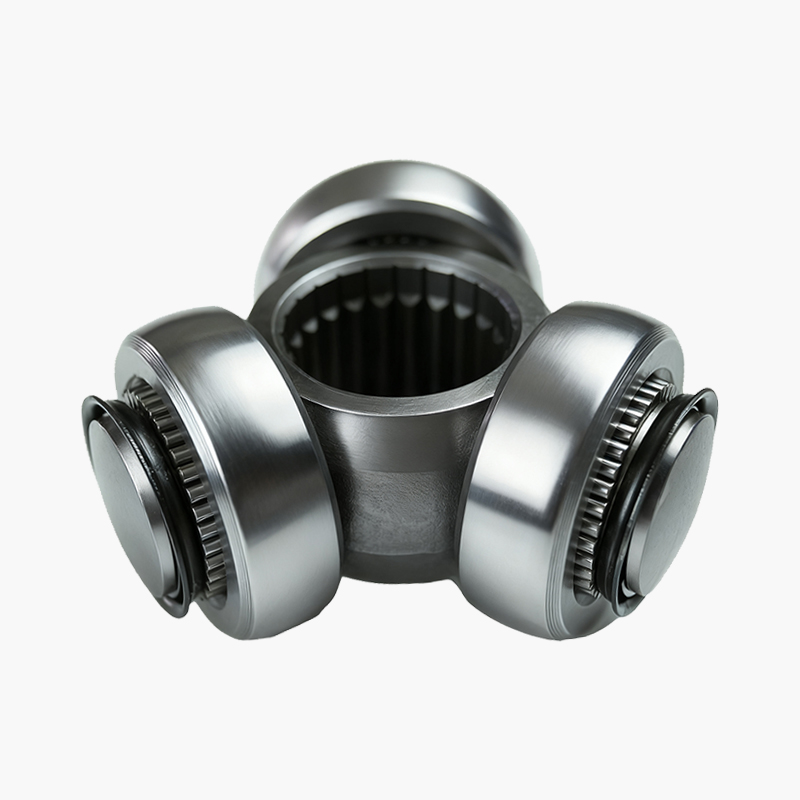
In modern drivetrain systems, compatibility has become a key consideration for repair workshops, distributors, and sourcing teams working with Mercedes vehicles. Within this environment, discussions around C.V.Axle Manufacturer For Mercedes often focus on fitment accuracy, structural variation, and operational stability across different vehicle configurations.
As Mercedes model platforms continue to diversify, the process of selecting a suitable CV axle has become more complex. Differences in drivetrain layout, suspension geometry, and production specifications require careful evaluation during replacement or sourcing decisions.
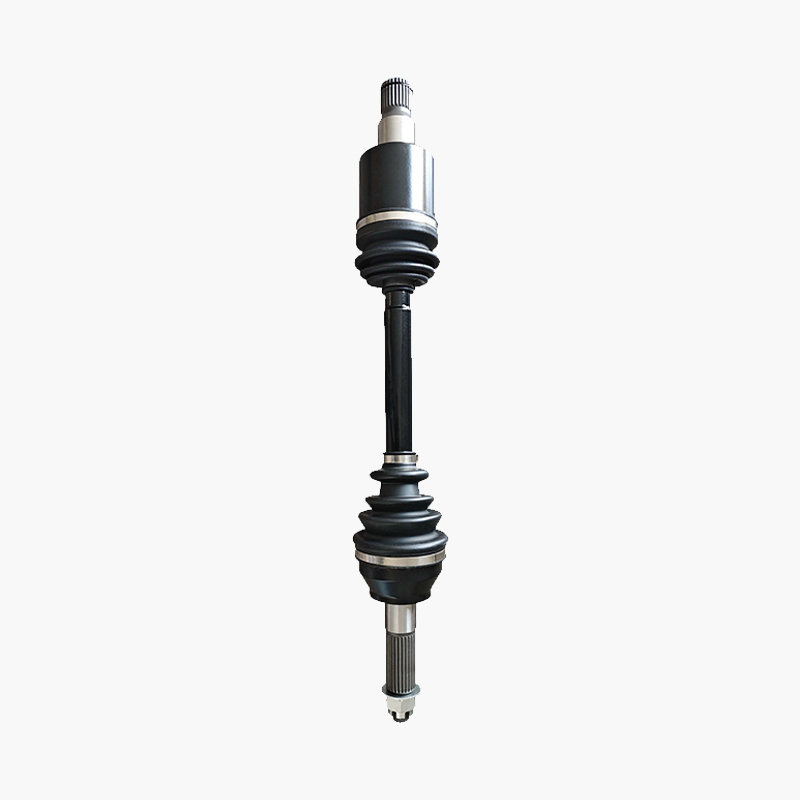
Platform Differences and Structural Variation
One of the main compatibility challenges comes from structural differences across Mercedes vehicle platforms. Even within similar model ranges, axle design requirements can vary significantly depending on drivetrain layout and chassis configuration.
Rear-wheel-drive systems and all-wheel-drive systems, such as 4MATIC, use different torque distribution structures. In AWD layouts, front and rear axle assemblies often require distinct engineering characteristics, including variations in shaft length, joint articulation range, and spline interface design.
Suspension architecture also plays a role. Vehicles with different ride heights or chassis tuning may require adjusted axle geometry to maintain correct alignment during operation. If these parameters are not properly matched, drivetrain stress or uneven load distribution may occur.
Fitment Errors and Selection Challenges
Fitment issues commonly arise when incomplete vehicle information is used during part selection. Even within the same model designation, production variations can result in different axle specifications.
A frequent source of error is confusion between left-hand and right-hand assemblies. These components are not always interchangeable due to differences in shaft length, rotational direction requirements, and joint angle behavior.
Spline count, shaft diameter, and joint configuration also play an important role. When these specifications do not match the original design, installation may still be physically possible but can lead to instability during operation, including vibration or uneven power delivery.
Another challenge is reliance on visual similarity rather than technical verification. Components that appear similar externally may differ internally in tolerance design or material composition.
Manufacturing Variation and Supply Chain Factors
CV axle components intended for Mercedes applications are produced under different manufacturing standards depending on the supply source. Original equipment production typically follows strict engineering alignment with vehicle specifications to ensure consistency in performance.
Aftermarket production, however, may prioritize broader compatibility across multiple models. While many aftermarket units are functionally suitable, differences in machining precision, material selection, and assembly tolerance can influence driving behavior.
These variations become more noticeable under sustained load or higher-speed operation, where drivetrain balance and joint smoothness play a greater role in performance stability.
Global supply chain differences also contribute to specification variation. Components intended for different markets may reflect localized design adjustments, making specification verification an important step in procurement processes.
Installation Factors and Operational Stability
Even when a CV axle is technically compatible, installation quality significantly affects final performance. Incorrect seating of the axle into the hub or transmission interface can create uneven load distribution across the drivetrain system.
Improper torque application on mounting hardware may result in vibration or noise during acceleration. In some cases, minor alignment deviations during installation can gradually lead to more noticeable operational irregularities.
Surrounding components such as wheel bearings, suspension bushings, and mounting points also influence drivetrain behavior. Wear in these areas can amplify symptoms that may initially be attributed solely to the CV axle.
Because of these interactions, accurate diagnosis is important before replacement decisions are made. Misidentifying the source of vibration or noise can lead to unnecessary part replacement without resolving the underlying issue.
Evaluation Methods and Selection Practices
To reduce compatibility risk, many repair professionals use structured evaluation steps before selecting replacement components. This includes confirming full vehicle identification data, drivetrain configuration, and dimensional specifications.
Physical comparison with the original axle is also common. Measuring shaft length, spline count, and joint design helps ensure that replacement components align with required specifications.
In addition, controlled road testing can assist in distinguishing axle-related symptoms from other drivetrain or suspension issues. This helps ensure that replacement efforts are focused on the correct component.
Clear technical documentation from suppliers also supports a more accurate selection. Detailed specification labeling reduces uncertainty and improves consistency during procurement and installation processes.
Ongoing Importance of Drivetrain Maintenance
As vehicle drivetrain systems continue to evolve, compatibility considerations remain central to maintenance planning. Increasing system complexity means that small specification differences can influence overall performance behavior.
For Mercedes applications in particular, where drivetrain smoothness and stability are important characteristics, accurate CV axle selection plays a key role in maintaining consistent operation under varying driving conditions.
contact us

Product
INFORMATION
+86-576-87243246
+86-13867673238
+86-576-87278966
Gongcheng North Industrial Zone, Yuhuan City, Zhejiang Province, China

 English
 русский
 Español
 Português
 عربى
عربى