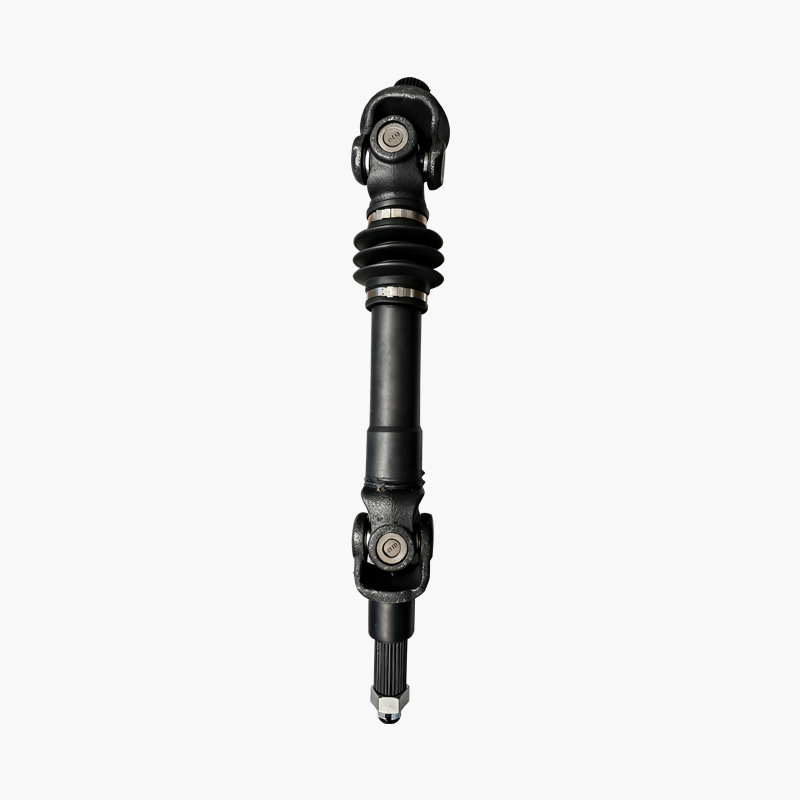
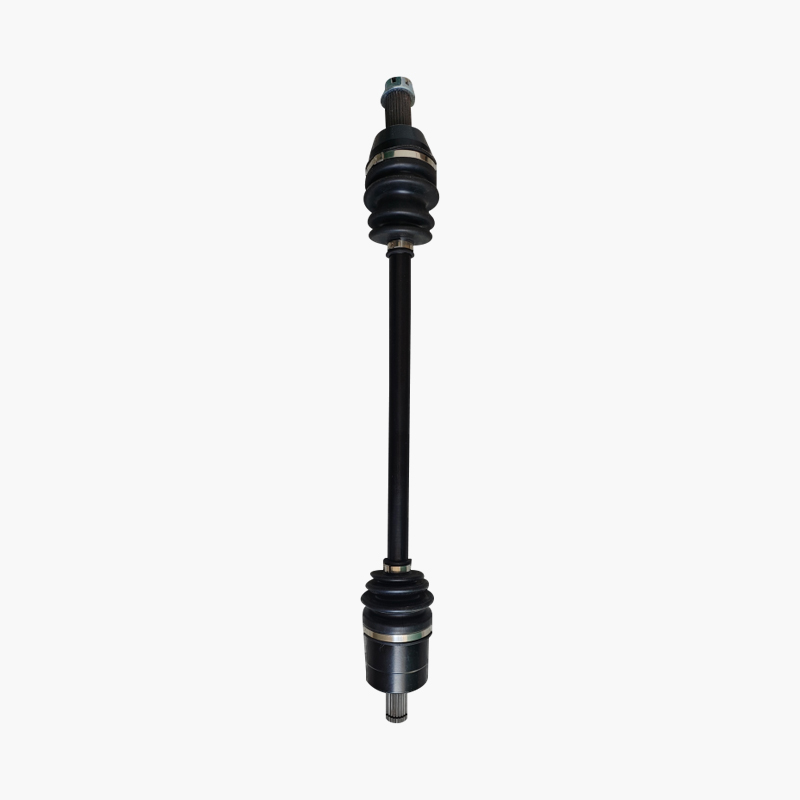
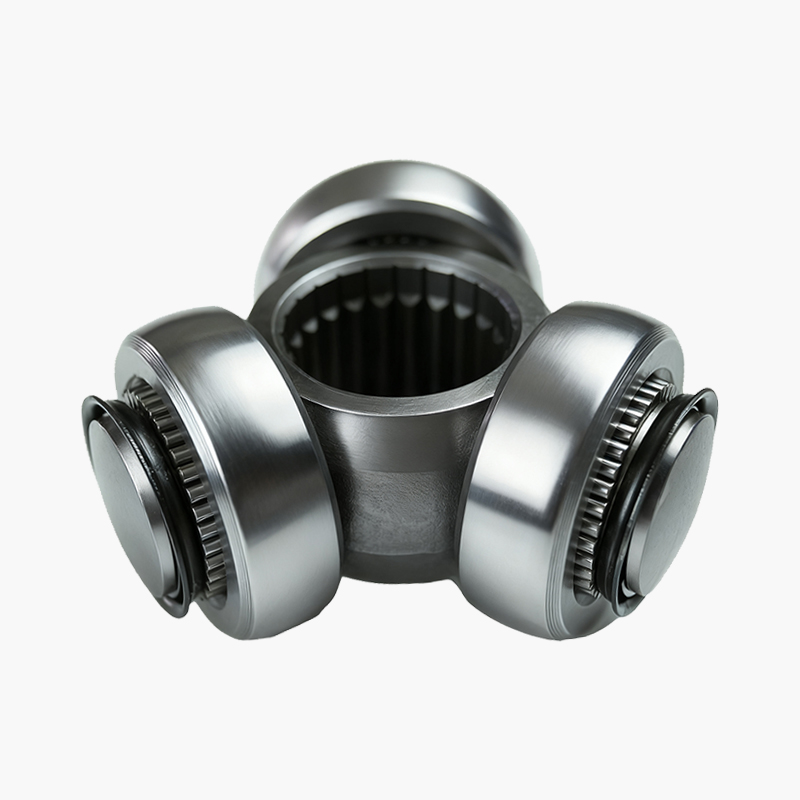
Against the backdrop of the continuous development of the automotive parts industry, the transmission system, as a crucial component of vehicle performance, is undergoing continuous technological upgrades and market restructuring. Among these, constant velocity joint driveshafts, represented by keywords such as "68254461AA," "68254461AA C.V. Axle," and "CV Axle Assembly," are gradually becoming a focus of industry attention. These products are not only widely used in passenger cars and light commercial vehicles but are also showing new application trends in the new energy vehicle market. This article will systematically review this sub-segment from multiple dimensions, including technical principles, product structure, market demand, and industry development trends.
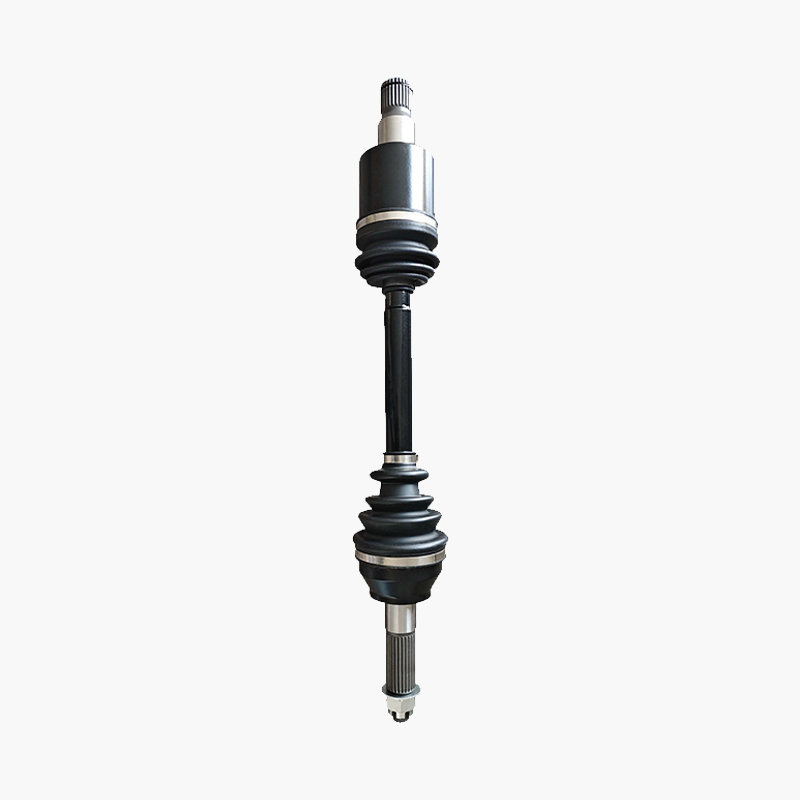
"68254461AA," as a typical automotive part number, usually corresponds to a C.V. Axle (constant velocity joint driveshaft) for a specific vehicle model or platform. This type of product is mainly used to transmit the power output from the engine or motor to the wheels through the gearbox, realizing the vehicle's driving function. In modern front-wheel drive and four-wheel drive vehicles, the CV axle plays a crucial role. Compared to traditional driveshafts, the C.V. Axle maintains a constant angular velocity output at different angles, effectively avoiding vibration and shock during power transmission. This characteristic is significant for improving driving smoothness and handling stability.
The 68254461AA C.V. Axle is typically fitted to specific brands or models, and its design must be strictly matched to the vehicle's powertrain parameters, including torque output, suspension structure, and track width. Therefore, this model is specifically targeted at both the aftermarket and original equipment manufacturer (OEM) systems.
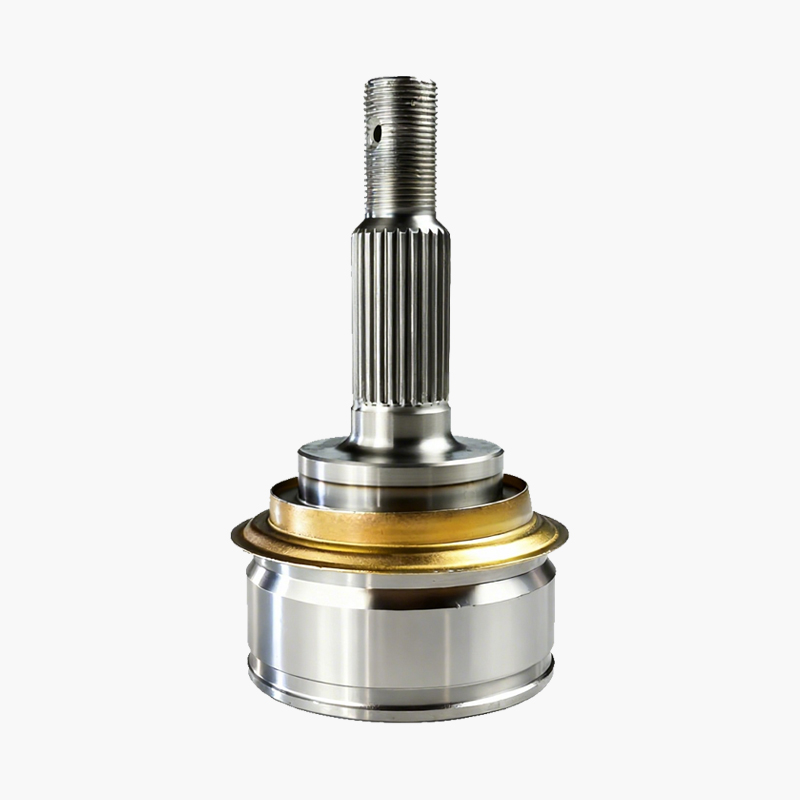
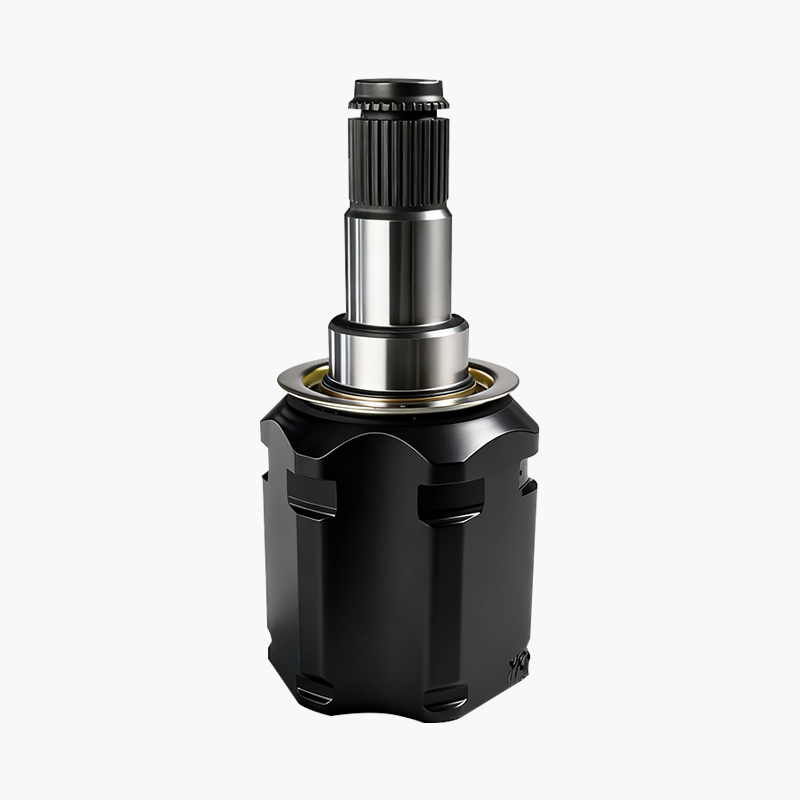
A CV Axle Assembly typically consists of the following core components:
These components together form a complete power transmission unit. In actual operation, the outer CV Joint is primarily responsible for power transmission during large-angle steering, while the inner CV Joint mainly accommodates axial changes caused by the vertical movement of the suspension.
Technically, the key to the CV Axle Assembly lies in its constant velocity characteristics. Through a precisely designed raceway and ball bearing structure, a constant angular velocity output can be achieved at different angles. This design effectively reduces torque fluctuations in the transmission system, thereby improving the overall NVH (noise, vibration, and harshness) performance of the vehicle.
Furthermore, with the development of materials science, high-strength alloy steel and advanced heat treatment processes are widely used in the manufacturing process of CV Axle Assemblies. This not only improves product durability but also enhances its stable performance under high loads and complex operating conditions.
In recent years, global car ownership has continued to grow, driving the steady expansion of the aftermarket repair market. As one of the wear parts, the C.V. Axle has a certain replacement demand during the vehicle's service life.
The demand for 68254461AA C.V. Axle in the aftermarket is mainly affected by the following factors:
With the popularization of automotive maintenance knowledge, more and more car owners are beginning to pay attention to the regular inspection and maintenance of the chassis system, which also drives the market demand for CV Axle Assemblies.
Against this backdrop, specific models such as 68254461AA have gradually formed a stable market demand structure, particularly prominent in North America and parts of Asia.
At the manufacturing level, CV Axle Assembly production is moving towards automation and precision. The application of CNC machining equipment, robotic assembly lines, and online inspection systems further enhances product consistency and reliability.
For specific models like the 68254461AA C.V. Axle, manufacturers typically need strong customization capabilities to meet the technical parameter requirements of different customers. Simultaneously, in terms of the supply chain, raw material procurement, heat treatment processes, and logistics are constantly being optimized to improve overall operational efficiency.
Furthermore, with the development of global trade, more and more manufacturers are beginning to expand into overseas markets, shortening delivery cycles and improving customer response speed by establishing regional warehousing and service networks.
The rapid development of new energy vehicles is having a profound impact on traditional drivetrain systems. Although pure electric vehicles differ structurally from gasoline-powered vehicles, the CV Axle Assembly remains a crucial component of their drive system.
Compared to traditional vehicles, electric vehicles feature instantaneous high torque output, placing higher demands on the strength and durability of the CV Axle. Therefore, the design of the 68254461AA CV Axle and similar products requires consideration of higher torque capacity and superior material properties.
Simultaneously, electric vehicles have more stringent requirements for NVH performance, prompting manufacturers to focus more on vibration reduction and noise reduction in product design. For example, optimizing the CV cage structure and improving the lubrication system further enhances the smoothness of product operation.
Currently, the CV Axle Assembly market exhibits a multi-tiered competitive landscape. On one hand, traditional large component suppliers, leveraging their technological accumulation and scale advantages, occupy a certain position in the high-end market; on the other hand, small and medium-sized manufacturing enterprises gain development space in the aftermarket through flexible production models and cost control capabilities.
Competition among companies regarding specific models, such as the 68254461AA C.V. Axle, primarily manifests in the following aspects:
In the future, as the automotive industry moves towards electrification and intelligentization, the CV Axle Assembly industry will face new challenges and opportunities. Technological innovation, green manufacturing, and digital management will become crucial paths for companies to enhance their competitiveness.
Overall, the 68254461AA C.V. Axle and CV Axle Assembly, as key components in automotive powertrain systems, are experiencing steady development in terms of technology and market demand. From traditional gasoline vehicles to new energy vehicles, these products are constantly evolving in different application scenarios, demonstrating strong adaptability.
In future development, companies need to continuously invest in product research and development, manufacturing processes, and market layout to address the challenges brought about by industry changes. Simultaneously, by improving product quality and service levels, they can further consolidate their competitive position in the global market.
With the continuous improvement of the automotive industry chain, the 68254461AA C.V. Axle and related products are expected to play a role in a wider range of applications, providing more stable and reliable solutions for vehicle power transmission systems.
contact us

Product
INFORMATION
+86-576-87243246
+86-13867673238
+86-576-87278966
Gongcheng North Industrial Zone, Yuhuan City, Zhejiang Province, China

 English
 русский
 Español
 Português
 عربى
عربى