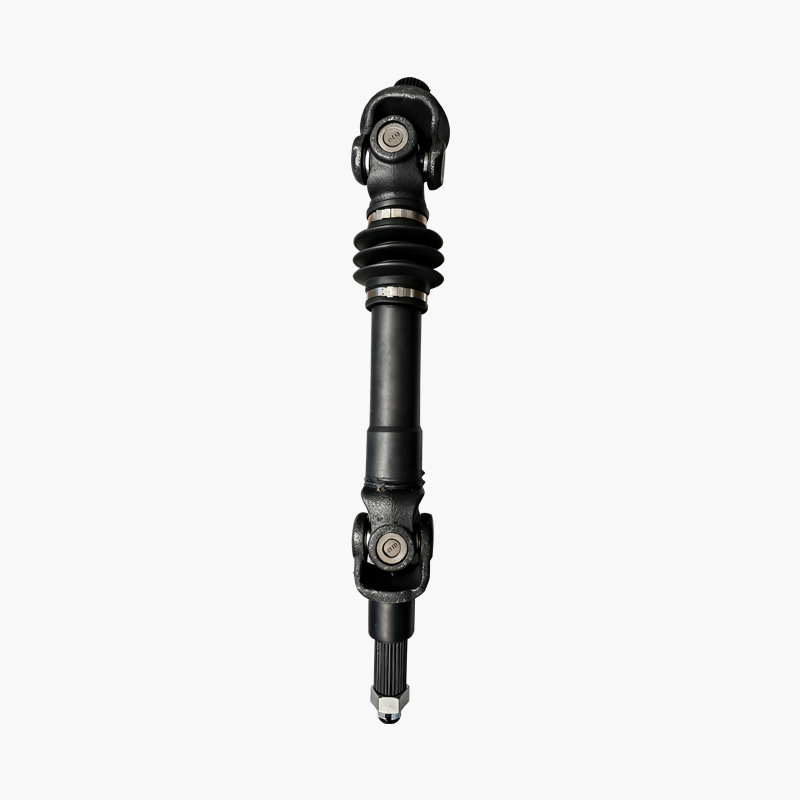
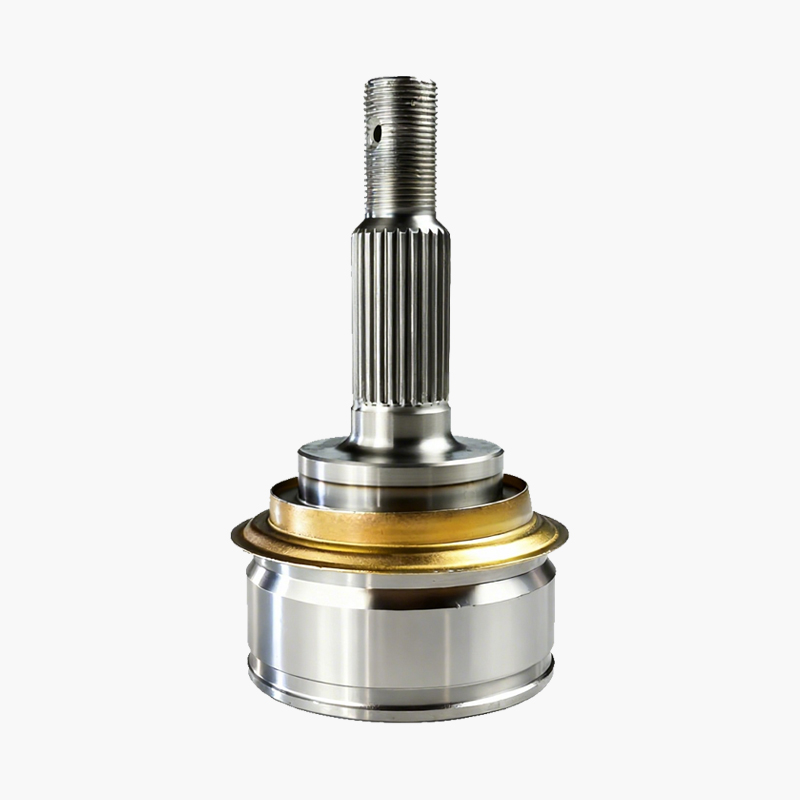
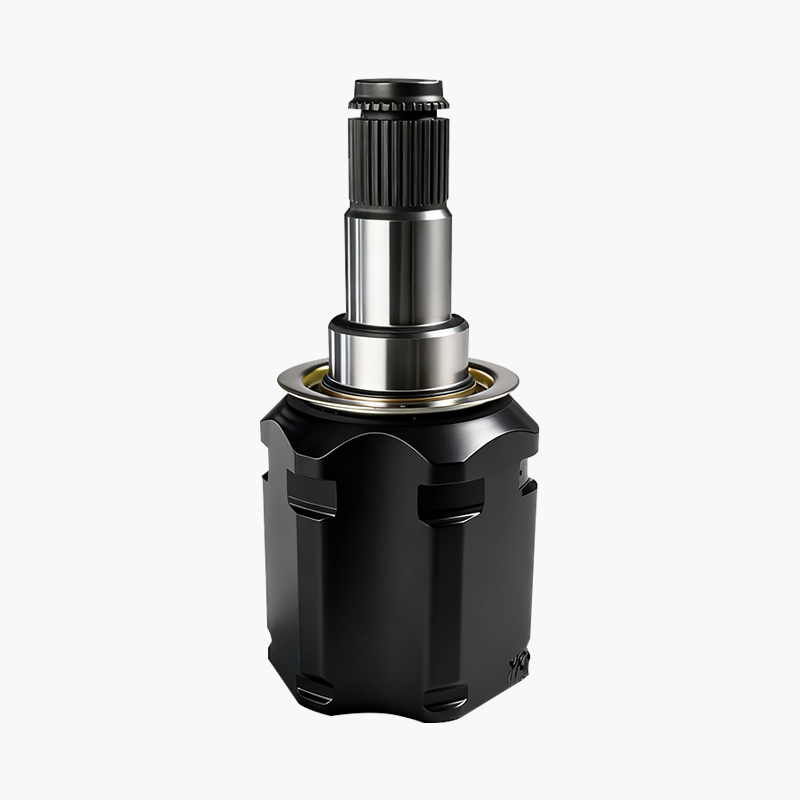
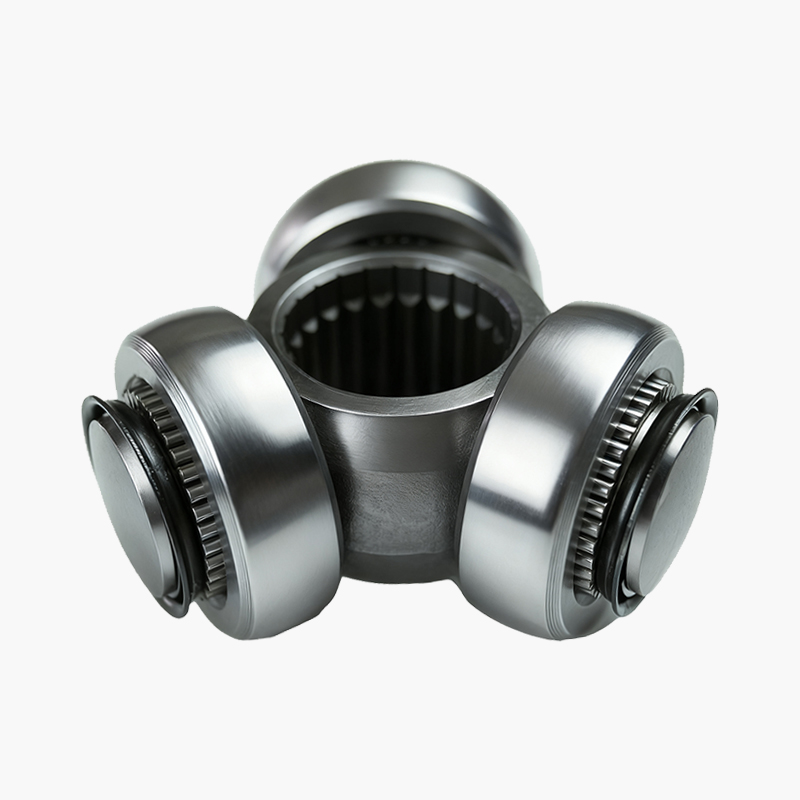
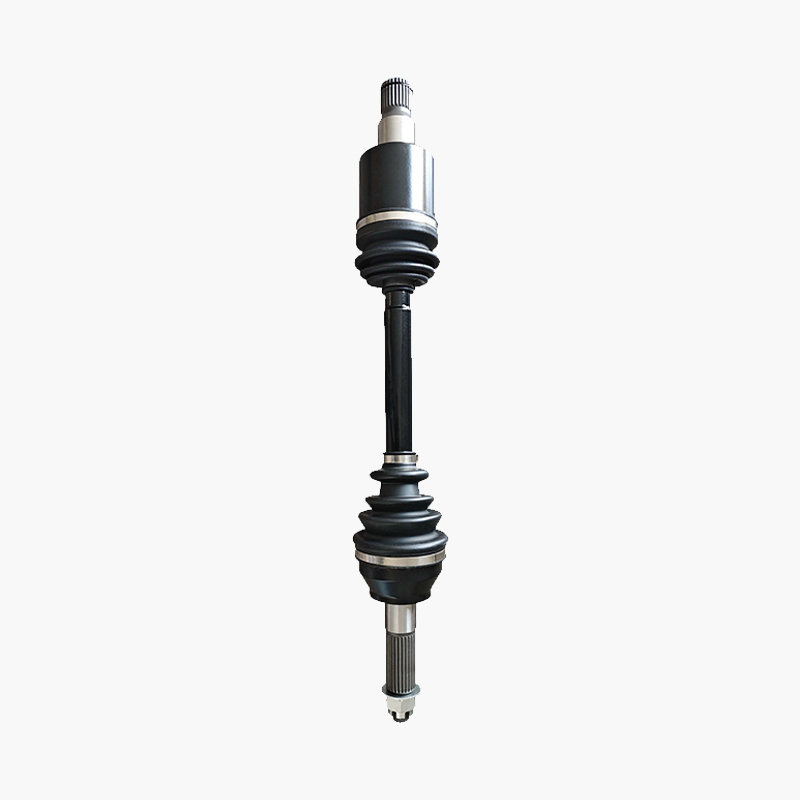
In recent years, with the continuous growth of global car ownership and the expanding demand for aftermarket repairs, search popularity surrounding keywords such as "2303151XGW01A C.V. Axle," "Axle Shaft," and "CV Axle Replacement" has increased significantly. This trend not only reflects the technological iteration in the automotive parts industry but also reflects end-users' multi-dimensional focus on vehicle performance, safety, and maintenance costs. Against this backdrop, constant velocity drive axles (C.V. Axles) and related products are becoming an important part of the automotive aftermarket.
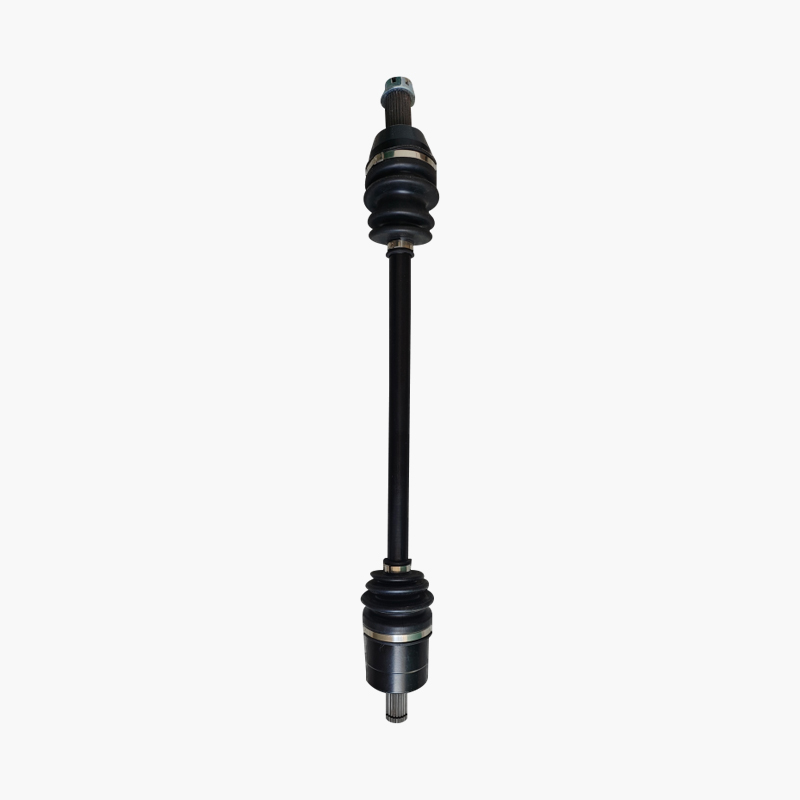
The C.V. Axle (constant velocity universal joint drive axle) is a crucial transmission component connecting the gearbox and wheels. Its core function is to achieve smooth power output at different steering angles. Compared to traditional axle shafts, C.V. Axles are structurally more complex, but also offer higher stability and comfort.
With the increasing popularity of front-wheel drive and four-wheel drive vehicles, CV axles have gradually replaced traditional rigid axle shafts as the mainstream configuration. Especially in urban driving environments, frequent turning and stop-and-go conditions place higher demands on the drivetrain, prompting OEMs and component suppliers to continuously optimize the design and manufacturing processes of C.V. Axles.
Product models, such as "2303151XGW01A C.V. Axle," typically correspond to specific vehicle models or platforms, and their precise matching has become an important factor for users' purchasing decisions. The trend of standardization and customization has intensified competition in this segment.
In the early days of the automotive industry, axle shafts primarily served simple power transmission functions, with a rigid structure suitable for rear-wheel drive vehicles. However, with the evolution of automotive structures, especially the rise of front-wheel drive systems, traditional axle shafts have gradually revealed problems such as significant steering limitations and noticeable vibration.
The emergence of C.V. Axles effectively solves these pain points. Internally, they utilize constant velocity joints (CV joints), which can maintain a constant speed output over a wide angle range, significantly improving vehicle handling stability.
Current mainstream C.V. Axle technology development focuses on the following areas:
As vehicles age, the CV Axle gradually enters its replacement cycle. "CV Axle Replacement" has become a frequently used keyword in the repair industry, especially in the following situations:
These problems usually indicate that the CV Axle is worn or damaged and needs timely replacement. Compared to original equipment manufacturer (OEM) parts, aftermarket replacement parts offer greater flexibility in terms of price and delivery time, thus attracting widespread attention from repair shops and car owners.
It is worth noting that CV Axle replacement is not just a simple parts replacement; it involves multiple factors such as compatibility, installation precision, and subsequent service life. Therefore, selecting the appropriate model (such as 2303151XGW01A) and reliable supply channels are particularly important.
Against the backdrop of the ongoing restructuring of the global automotive supply chain, the supply model for CV Axles has also undergone significant changes. The traditional OEM-centric supply system is gradually shifting towards diversified sourcing.
With intensifying market competition, quality issues have become a key factor affecting industry development. Certification standards for automotive parts are constantly being raised in various countries, for example:
For CV Axles, their performance not only relates to vehicle comfort but also directly impacts driving safety. Therefore, both Axle Shaft manufacturing and CV Axle Replacement applications require strict adherence to relevant standards.
In practical applications, high-quality CV Axles should possess the following characteristics:
Looking ahead, the CV Axle industry will continue to develop towards intelligent and green manufacturing.
Starting with the specific model "2303151XGW01A CV Axle," we can see the evolution of the entire Axle Shaft and CV Axle Replacement market. Technological upgrades, supply chain changes, and growing aftermarket demand all indicate that this area still possesses significant development potential.
For companies, striking a balance between product quality and market demand will be key to future competitiveness; for end users, choosing the appropriate CV Axle and performing standardized CV Axle replacement is a crucial step in ensuring vehicle safety and performance.
Against the backdrop of the ever-changing global automotive industry, the C.V. Axle, though a basic component, plays an indispensable role in the entire system, and its development trend deserves continued attention.
contact us

Product
INFORMATION
+86-576-87243246
+86-13867673238
+86-576-87278966
Gongcheng North Industrial Zone, Yuhuan City, Zhejiang Province, China

 English
 русский
 Español
 Português
 عربى
عربى