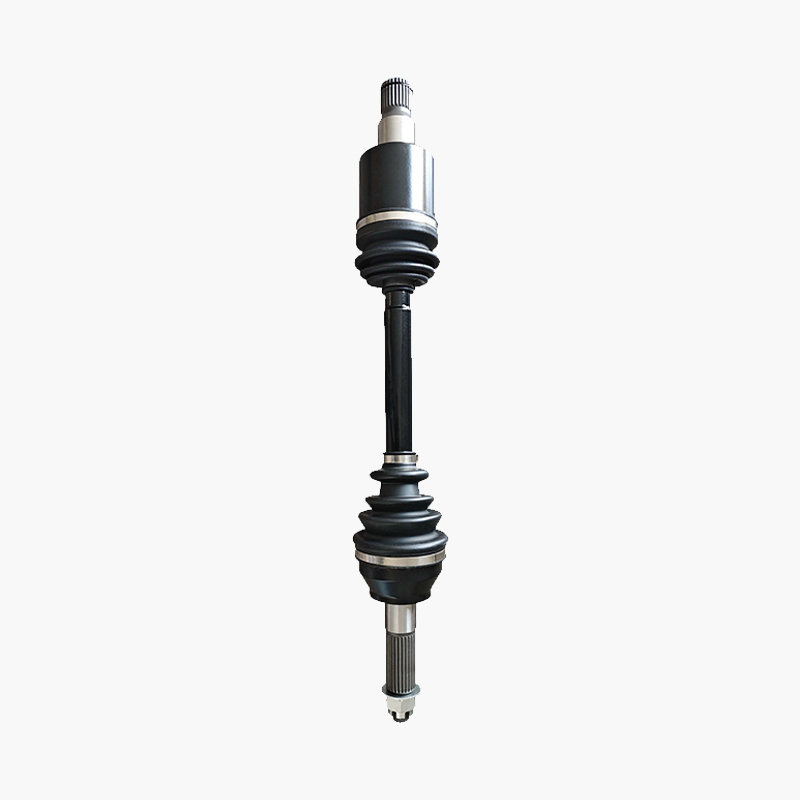
Against the backdrop of the continuous development of the global automotive industry, the automotive parts industry is ushering in a new round of technological innovation and market restructuring. Among these developments, the C.V. Axle (constant velocity joint driveshaft), a core component of the transmission system, continues to receive significant attention from OEMs and the aftermarket. The increasing search volume for keywords such as "22789359," "66-1430," "22789359 C.V. Axle," and "66-1430 C.V. Axle" reflects the growing market demand and expanding application scope of these products. This article will provide an in-depth analysis from the perspectives of product technology, market trends, application scenarios, and future development directions.
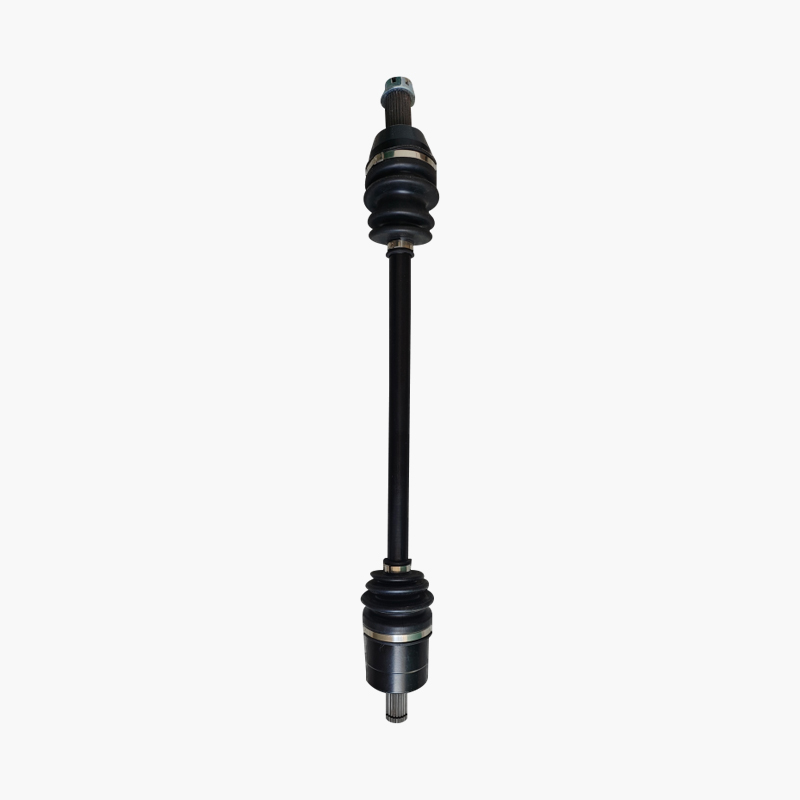
I. Importance and Technical Basis of C.V. Axle
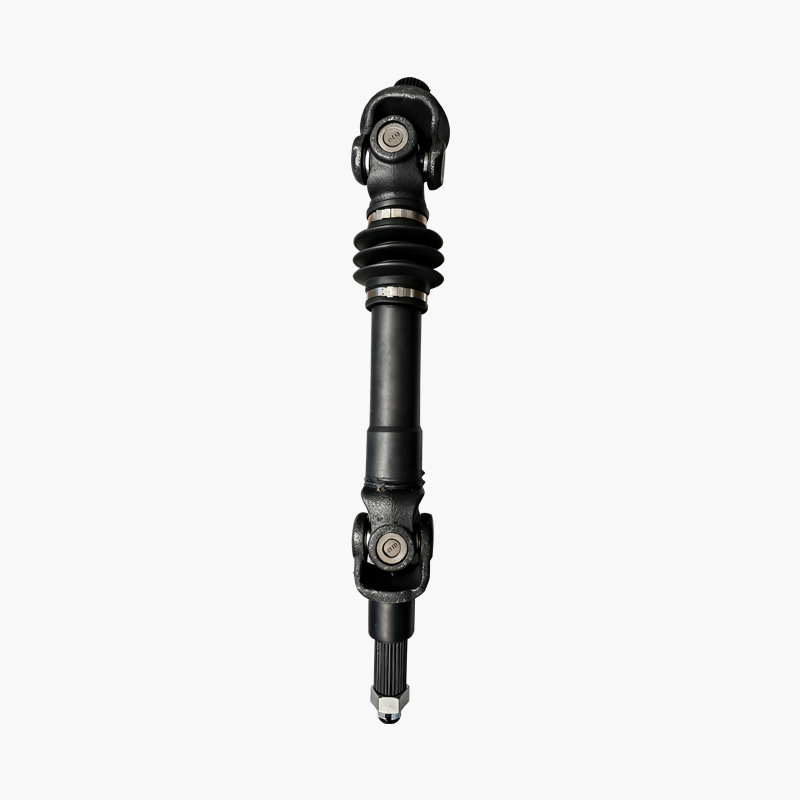
A C.V. Axle, or Constant Velocity Axle, is a crucial component connecting a car's transmission and wheels. Its primary function is to stably transmit power and maintain a constant angular velocity output during vehicle steering and suspension movements. Compared to traditional universal joints, C.V. Axles offer superior performance in terms of smooth operation, durability, and noise control.
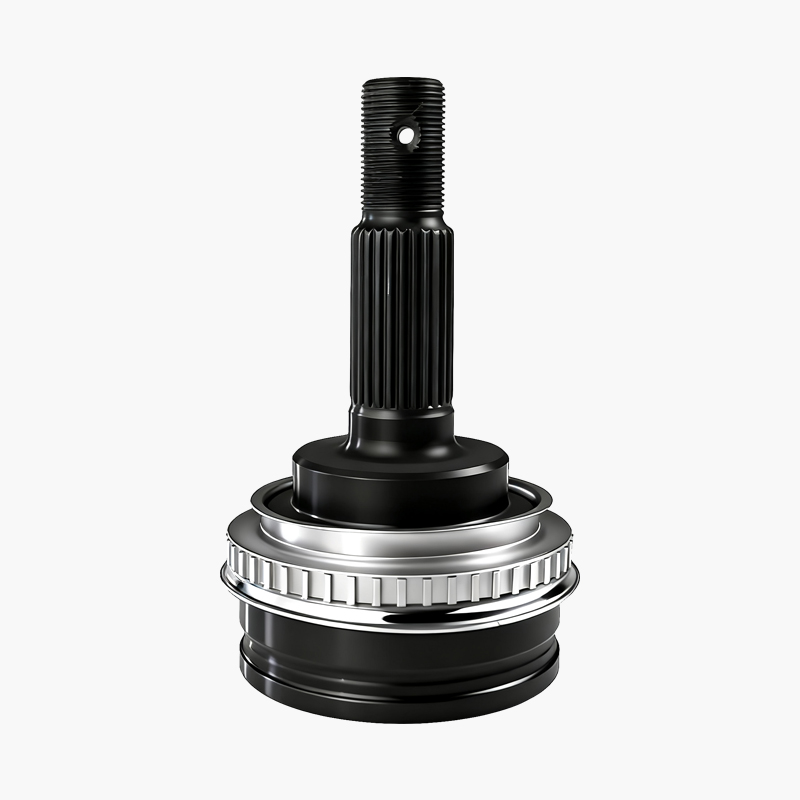
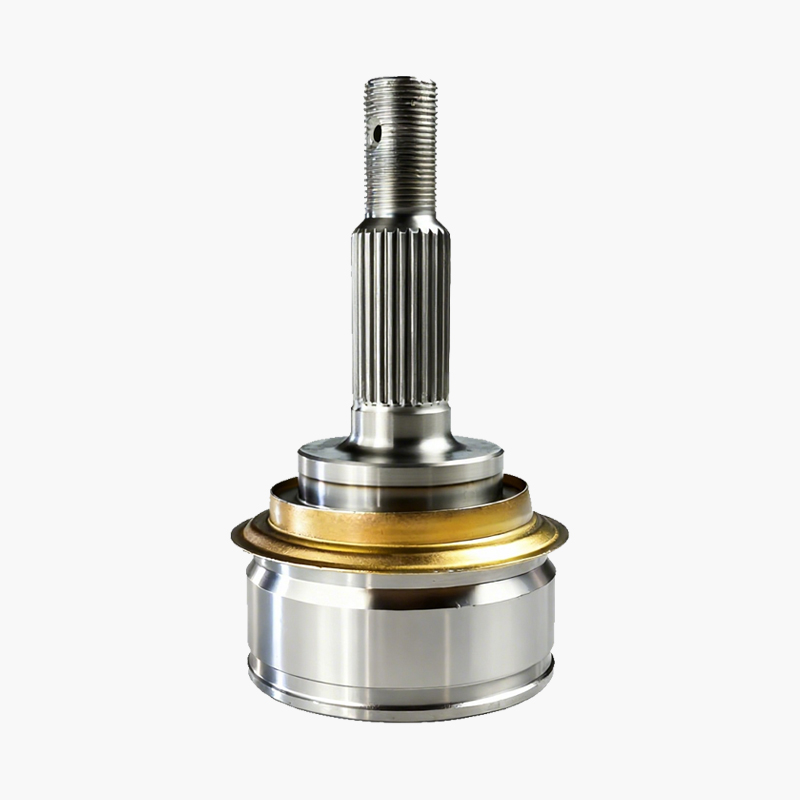
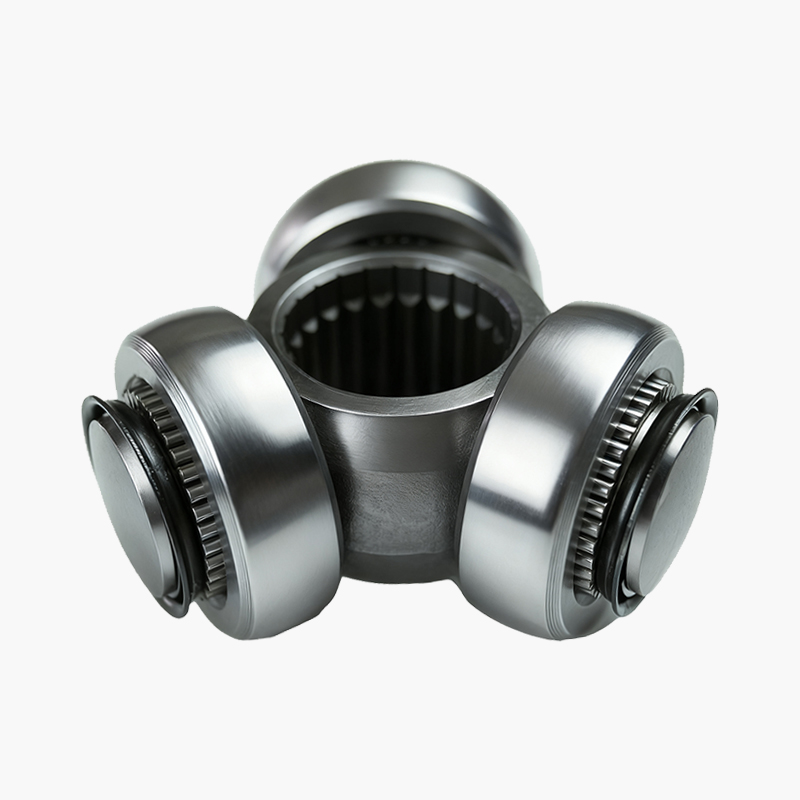
Product models such as the 22789359 and 66-1430 C.V. Axles are typically designed for specific vehicle platforms, requiring precise matching between the vehicle's power output characteristics and chassis structure. These products usually include multiple key components such as outer and inner CV joints, dust boots, and lubrication systems. The manufacturing quality of each component directly impacts the performance of the entire transmission system.
II. Market Performance of Models 22789359 and 66-1430
In recent years, with the continuous growth of the global car fleet, the demand for replacement parts in the aftermarket has increased significantly. The 22789359 and 66-1430 C.V. Axle models, as common C.V. Axle types, show stable demand trends in multiple markets.
- 1. Growing Aftermarket Demand
- In the North American and European markets, the 22789359 C.V. Axle is commonly found in some SUVs and pickup trucks, its durability and compatibility making it a popular choice in the repair market. The 66-1430 C.V. Axle, on the other hand, is widely used in many mid-size sedans and crossover vehicles, especially in high-mileage vehicles where it is frequently replaced.
- 2. E-commerce Platforms Drive Product Circulation
- With the development of cross-border e-commerce, these standardized parts are more easily circulated globally. The increased search volume for keywords "22789359" and "66-1430" indicates a shift in procurement methods from traditional offline to online. More and more buyers prefer to directly search for specific models through platforms for procurement, thereby improving efficiency.
- 3. Competition Between Brands and OEM Substitutes
- Competition between OEM (Original Equipment Manufacturer) and Aftermarket (Aftermarket) parts is intensifying. Many manufacturers are expanding their market share by improving manufacturing processes, enabling aftermarket products to offer performance close to OEM while maintaining more attractive prices.
III. Technological Upgrades Drive Product Competitiveness
As the automotive industry moves towards electrification and intelligentization, CV Axle products are also undergoing continuous technological upgrades.
- 1. Material Technology Improvements
- Hyundai's 22789359 and 66-1430 CV Axles primarily utilize high-strength alloy steel, with heat treatment processes enhancing fatigue resistance. Simultaneously, some manufacturers are experimenting with lightweight materials to reduce overall vehicle weight and improve fuel economy or electric vehicle range.
- 2. Dustproof and Sealing Technology Optimization
- The CV boot is a crucial protective component for CV Axles. In recent years, the application of new rubber and thermoplastic materials has significantly enhanced the durability of C.V. Axles under high and low temperatures and complex road conditions, thereby extending the service life of the entire driveshaft.
- 3. Precision Manufacturing and Dynamic Balancing
- The application of high-precision machining equipment and automated production lines makes C.V. Axles more stable in terms of dynamic balance. For commonly used models such as 22789359 and 66-1430, this improvement directly reduces vibration and noise issues during vehicle operation.
IV. Application Scenarios and Adaptability Analysis
Different C.V. Axle models have different application scenarios, but generally, they mainly serve the following types of vehicles:
- 1. Urban SUVs and Light Trucks
- The 22789359 model is typically used in vehicles with higher power output, such as SUVs or light trucks. These vehicles have higher requirements for the stability of the transmission system under complex road conditions; therefore, the requirements for the strength and durability of the C.V. Axle are also more stringent.
- 2. Family Sedans and Crossovers
- The 66-1430 C.V.Axle is more commonly found in mid-size sedans, with a design focused on smoothness and quietness, suitable for daily urban driving.
- 3. High-Mileage Vehicle Repair Market
- As vehicles age, wear and tear on C.V. Axles is inevitable. The 22789359 and 66-1430, as standard replacement parts, have high versatility and stable demand in the repair market.
V. Industry Trends: From Traditional Manufacturing to Intelligent Upgrading
Currently, the automotive parts industry is transforming traditional manufacturing to intelligent manufacturing, and C.V. Axle products are no exception.
- 1. Widespread Adoption of Automated Production Lines
- More and more manufacturing companies are introducing robotic assembly and inspection systems to improve production efficiency while reducing human error. This is particularly important for mass-produced models like the 22789359 C.V.Axle and 66-1430 C.V.Axle.
- 2. Digital Quality Management
- Through data collection and analysis, manufacturers can monitor product quality in real time, ensuring that every driveshaft meets standards. This model is gradually becoming the industry norm.
- 3. Green Manufacturing and Sustainable Development
- Stricter environmental regulations are prompting companies to reduce energy consumption and emissions during production. Simultaneously, material recycling and reuse technologies are continuously advancing, making C.V. Axle products more aligned with sustainable development principles.
VI. Future Development Directions
Looking ahead, C.V. Axle products, including models such as 22789359 and 66-1430, will continue to develop in the following directions:
- 1. Higher Performance Standards
- With the increasing popularity of new energy vehicles and high-performance models, the requirements for drivetrain systems will further increase. C.V. Axles need to maintain stability under higher torque and more complex operating conditions.
- 2. Intelligent Monitoring Functions
- In the future, some high-end models may introduce driveshaft condition monitoring systems, using sensors to detect wear in real time, thereby enabling proactive maintenance.
- 3. Global Supply Chain Optimization
- In the context of globalization, manufacturing and sales networks will become more tightly integrated. Standard models such as the 22789359 C.V.Axle and the 66-1430 C.V.Axle are expected to achieve more efficient cross-regional distribution.
Overall, the 22789359 and 66-1430 C.V.Axle are not only key components in automotive powertrain systems but also represent the current development direction of the automotive parts industry. From material innovation to manufacturing upgrades and changes in market demand, these products are constantly adapting to the new industry environment.
With continuous technological advancements and evolving market demands, C.V. Axle products will play an increasingly important role in the future automotive industry. Continued focus on keywords such as "22789359" and "66-1430" will further promote the development and application of related products in the global market.


 English
 русский
 Español
 Português
 عربى
عربى