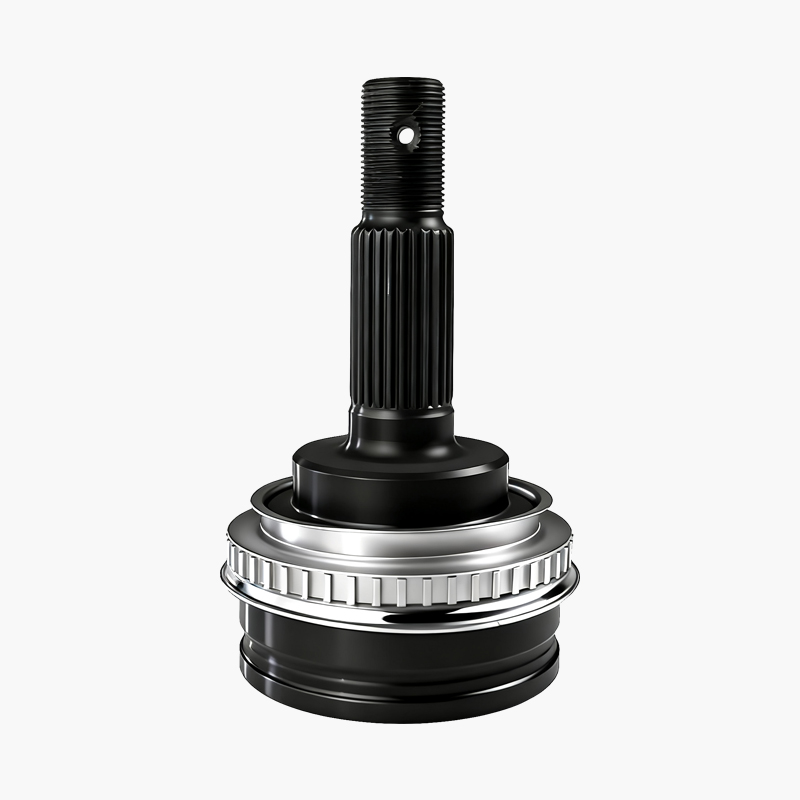
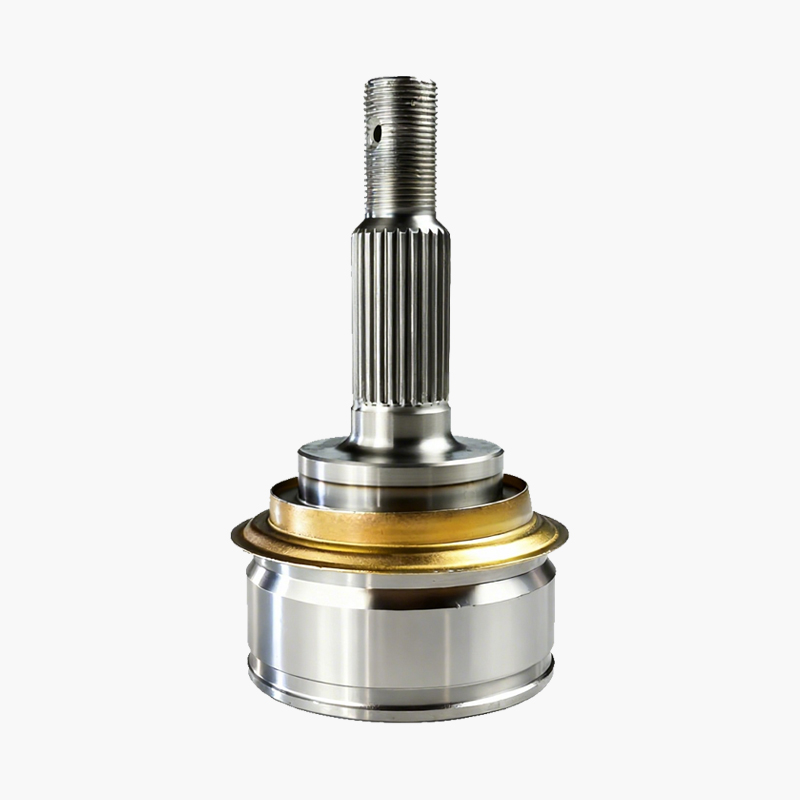
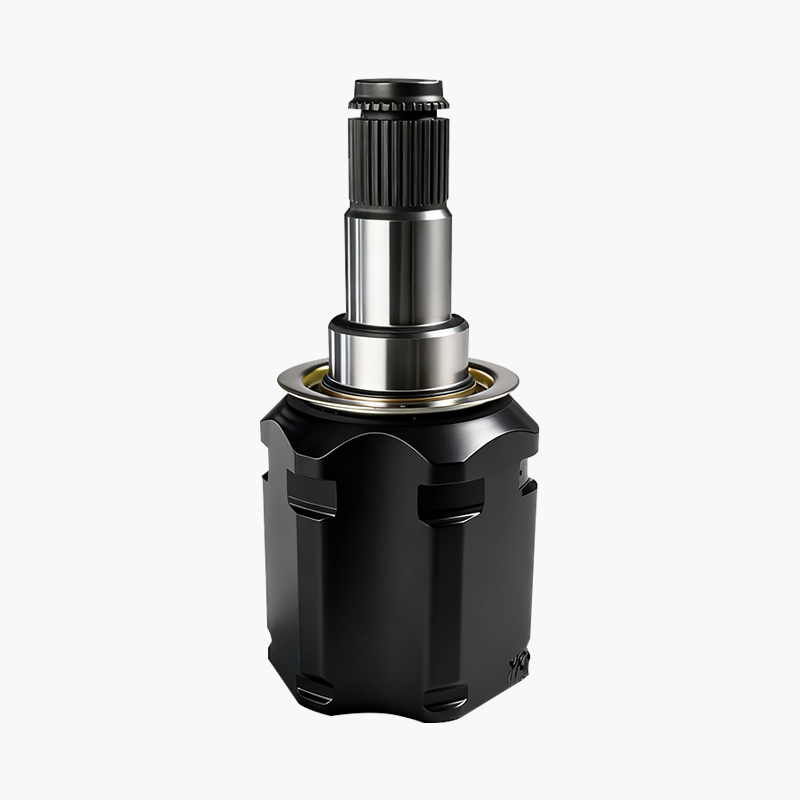
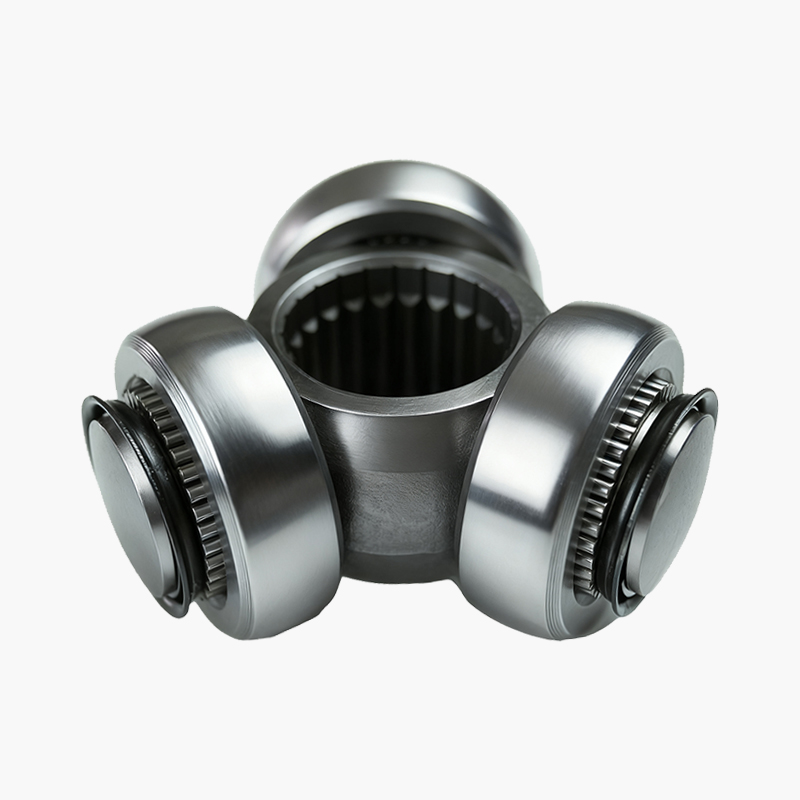
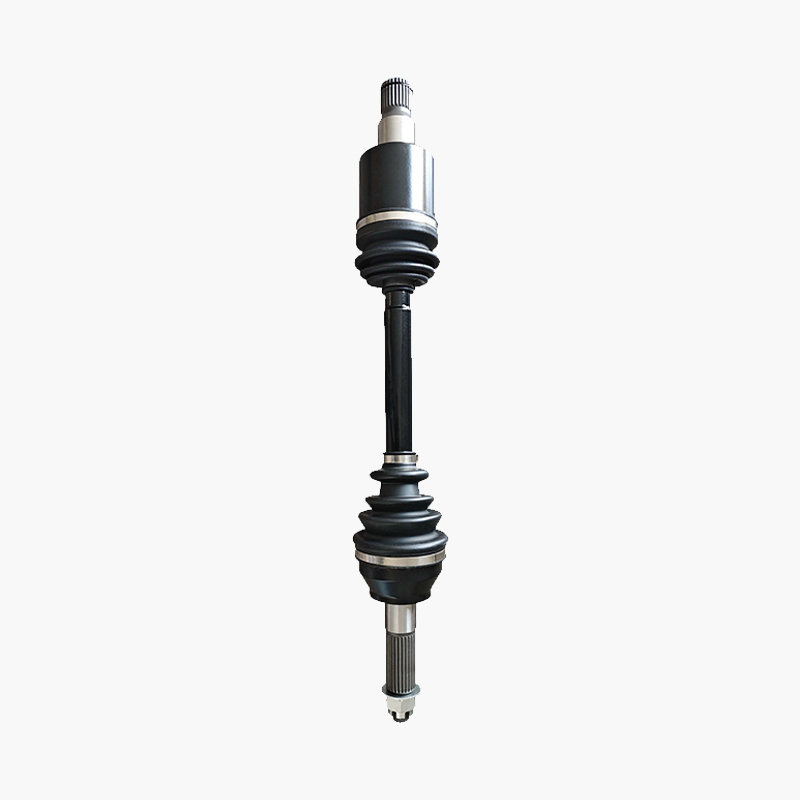
In recent years, with the global automotive industry restructuring and the parallel development of new energy vehicles (NEVs) and traditional fuel vehicles, core transmission components have undergone significant technological innovation and market expansion. Driven by increasingly strict environmental regulations, the rapid popularization of electrification, and upgraded consumer demand for vehicle performance and comfort, the automotive industry is undergoing a profound transformation. This shift has focused widespread attention on key driveshaft products such as the 8R0 407 271 B Drive Shaft and CV Axle Shaft, whose market demand, technological level, and industrial chain layout are constantly evolving to adapt to the new industry patterns.
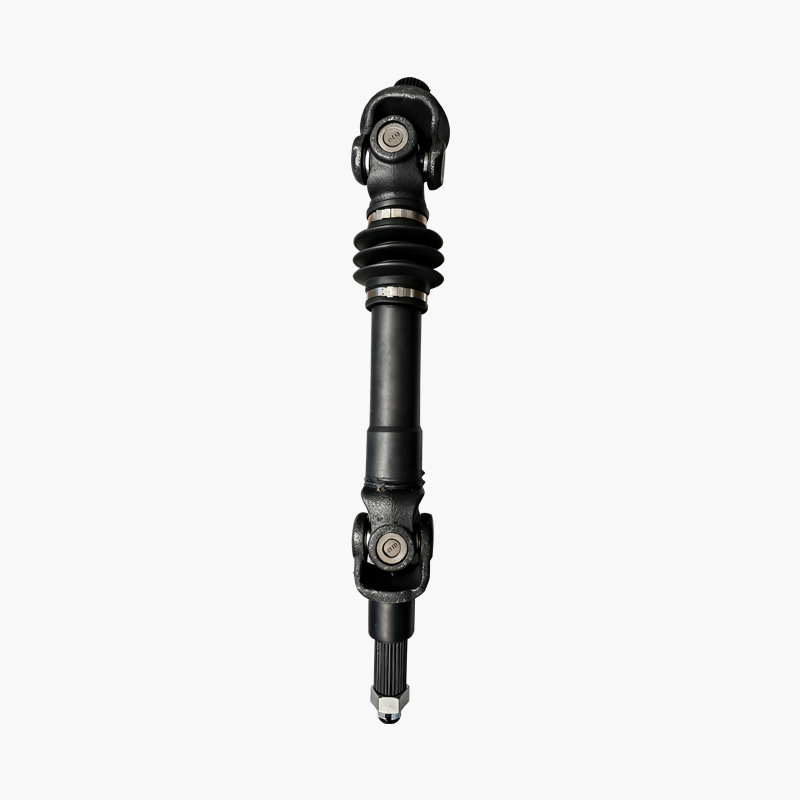
Suitable for mid-to-high-end German luxury models (e.g., Audi, BMW), the 8R0 407 271 B Drive Shaft has gained growing attention in the global automotive parts market. Specifically designed to match the powertrain characteristics of German vehicles, it emphasizes high precision and operational stability, enabling efficient power transmission even under high-speed driving, complex road conditions, and long-term heavy loads. Its optimized structural design also ensures low noise and vibration during operation, further enhancing the overall driving comfort of the vehicles it equips.
The continuous rise in global vehicle ownership and the extension of vehicle service life (with an average of 8-10 years) have significantly boosted the demand for drive shaft replacements. This trend is particularly prominent in Europe, North America, and parts of Asia, where the ownership of mid-to-high-end German vehicles is relatively high. The repair and maintenance market for this drive shaft is growing at an annual rate of around 5%, driving manufacturers to expand production capacity, optimize supply chain systems, and develop upgraded versions to meet the changing needs of new vehicle models.
As a key component of the automotive transmission system, the CV Axle Shaft plays an irreplaceable role in connecting the transmission and wheels, stably transmitting power under varying steering angles and load conditions—this is particularly critical for the flexibility and stability of front-wheel drive and four-wheel drive vehicles.
Driven by the upgrading of the automotive industry and the rapid development of NEVs, CV Axle Shaft technology has continuously advanced: Materials Upgrade: The application of high-strength alloy steel and lightweight materials such as carbon fiber composites reduces product weight by 10-15% while maintaining structural strength, improving the fuel economy of traditional vehicles and the driving range of NEVs. Manufacturing Optimization: The combination of precision forging and CNC machining technologies significantly improves product dimensional accuracy, consistency, and durability, effectively reducing the failure rate during use. Sealing Enhancement: High-performance dust covers and advanced lubrication systems prevent impurities from entering the internal structure, extending the service life of the CV Axle Shaft and reducing maintenance frequency. Adaptability Improvement: Customized products developed for different vehicle platforms (sedans, SUVs, NEVs) have expanded market coverage and met diverse application needs. These technological advancements not only improve the comprehensive performance of CV Axle Shafts but also further expand their application space in the NEV sector, especially in high-efficiency electric drive systems.
The supply chains of Drive Shafts and CV Axle Shafts are rapidly integrating, forming a closely connected industrial ecosystem from raw material supply to vehicle assembly. Upstream steel and forging enterprises continuously upgrade raw material performance, developing high-strength, corrosion-resistant special steel to lay a solid foundation for the production of high-quality drive shaft products. Midstream manufacturers adopt automated production lines and intelligent quality control systems to enhance product stability and production efficiency, while reducing labor costs through lean production management. Downstream OEMs and the aftermarket provide real-time usage data and demand feedback, forming a closed-loop of product research and development, production, and improvement.
In addition, the application of digital technologies such as big data, artificial intelligence (AI), and the Internet of Things (IoT) is gradually reshaping the industry pattern. Big data analysis is used to predict product service life and market demand, helping manufacturers optimize production plans; intelligent testing equipment realizes real-time quality monitoring, ensuring product qualification rates; digital supply chain management systems enable real-time scheduling of raw materials and product delivery, improving the overall operational efficiency of the industry.
Global competition in the Drive Shaft and CV Axle Shaft markets is becoming increasingly intense, presenting a pattern of coexistence of competition and cooperation. Traditional manufacturing powerhouses such as Germany and Japan still dominate the high-end market, relying on advanced technology, mature production experience, and well-known brand advantages to supply high-end products to luxury vehicle OEMs, maintaining high profit margins. Meanwhile, emerging manufacturing countries such as China and India are rapidly expanding their market share in the mid-range and aftermarket segments, leveraging cost advantages, sufficient production capacity, and continuous technological improvements to challenge the market dominance of traditional manufacturers.
More and more enterprises are focusing on brand building and quality certification, obtaining ISO 9001 and IATF 16949 certifications to enhance product competitiveness. At the same time, the rapid development of cross-border e-commerce and B2B trading platforms has lowered the threshold for enterprises to enter overseas markets, promoting the global circulation of drive shaft products and enabling emerging manufacturers to expand their international influence.
Against the backdrop of the global automotive industry’s transformation towards electrification, intelligence, and lightweighting, the 8R0 407 271 B Drive Shaft and CV Axle Shaft industry will show clear development trends: Electrification-driven upgrades: NEVs will drive drive shafts towards higher transmission efficiency, lower noise, and better heat resistance to adapt to the high power density and fast torque response of electric drive systems. Lightweight as a core direction: New lightweight materials and structural optimization will further reduce product weight, improving vehicle energy efficiency and driving range. Popularization of smart manufacturing: Automated production lines, digital quality control, and intelligent robots will become industry standards, improving production efficiency and product consistency. Expanding aftermarket: Growing global vehicle ownership will continue to boost replacement and repair demand, making the aftermarket a key growth point. Increasing customization and diversification: Segmented market needs will prompt manufacturers to provide differentiated product solutions to meet the needs of different vehicle models and regional markets.
Overall, the 8R0 407 271 B Drive Shaft and CV Axle Shaft are in a critical stage of technological upgrading and market expansion. Facing technological iteration pressure and fierce market competition, they also have opportunities brought by electrification and supply chain integration. For manufacturers, enhancing R&D capabilities, optimizing product structure, and expanding international markets are the keys to improving competitiveness and achieving sustainable development.
contact us

Product
INFORMATION
+86-576-87243246
+86-13867673238
+86-576-87278966
Gongcheng North Industrial Zone, Yuhuan City, Zhejiang Province, China

 English
 русский
 Español
 Português
 عربى
عربى