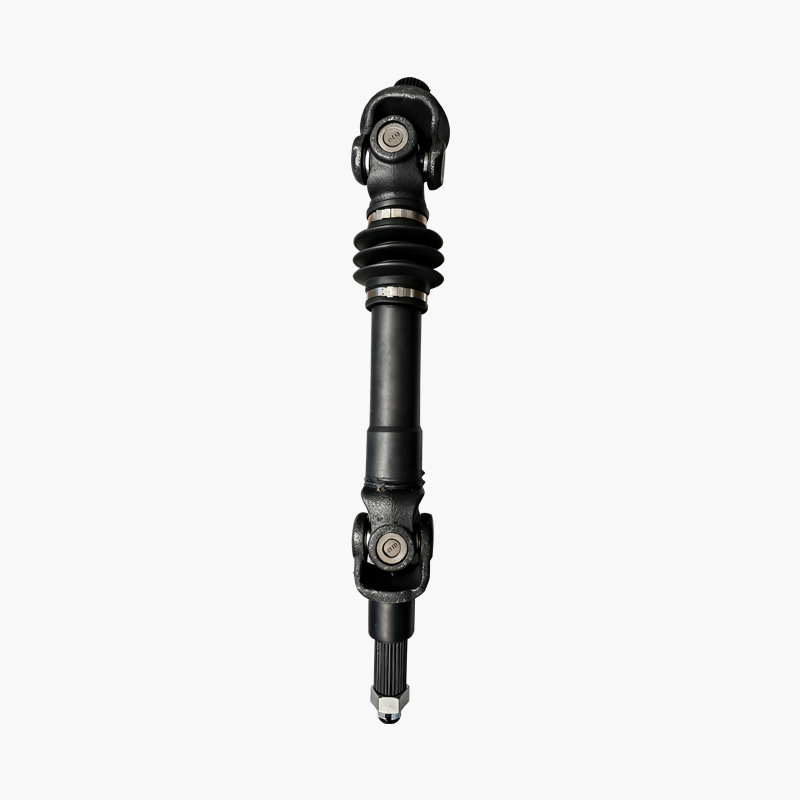
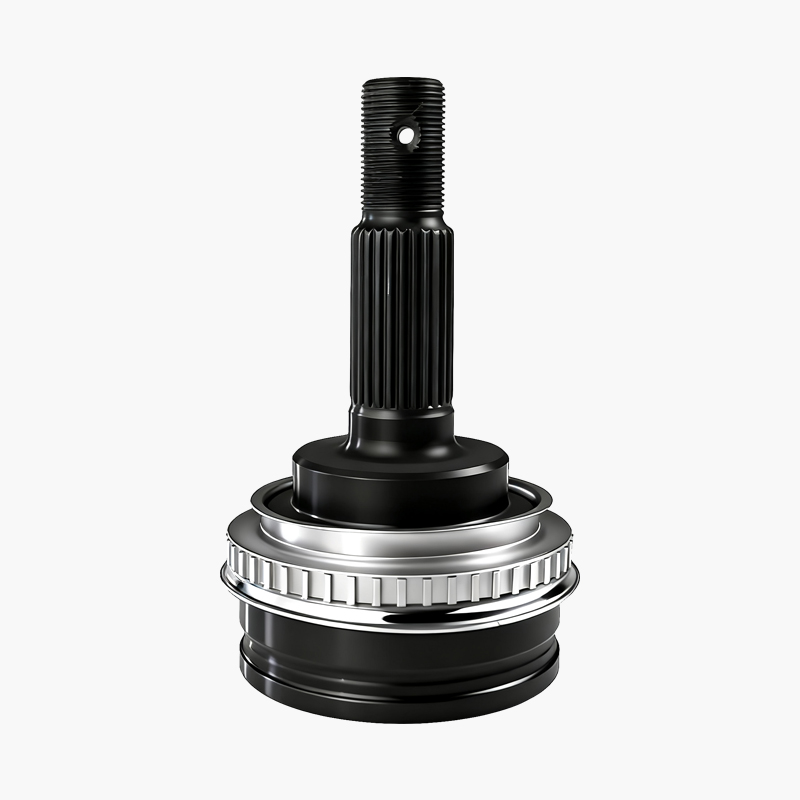
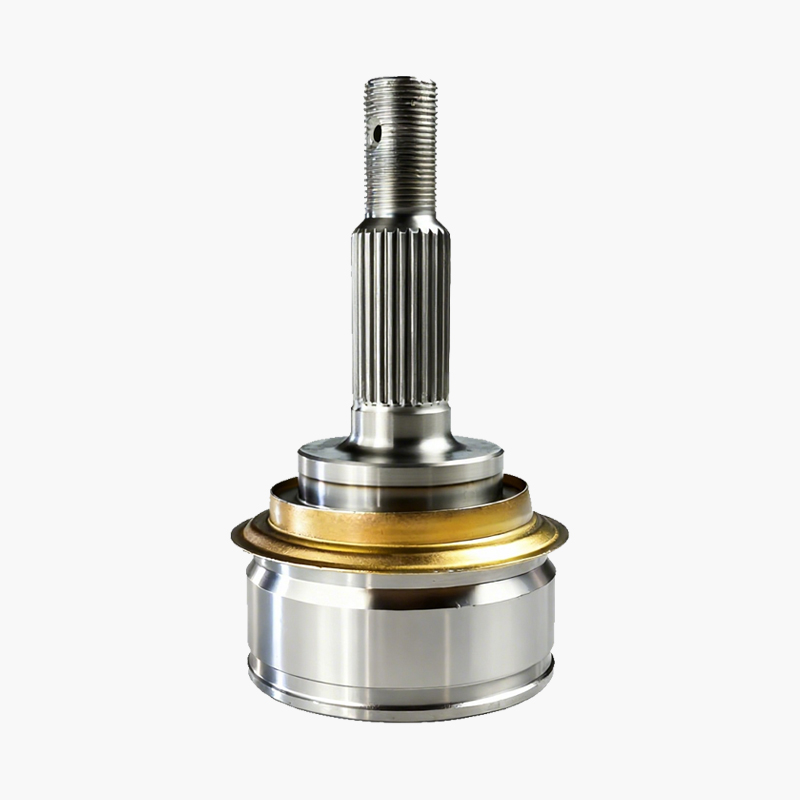
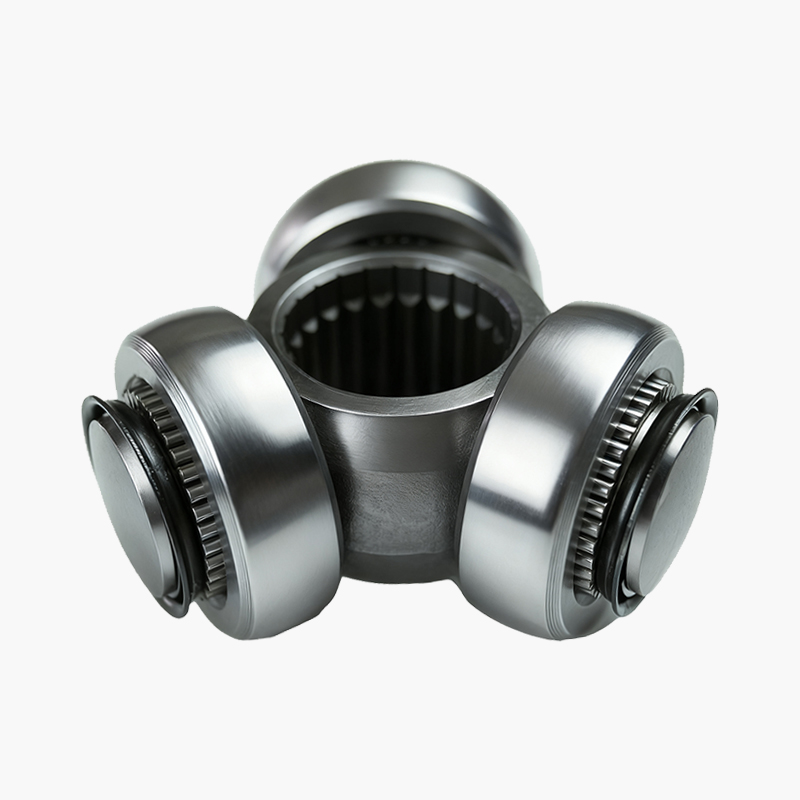
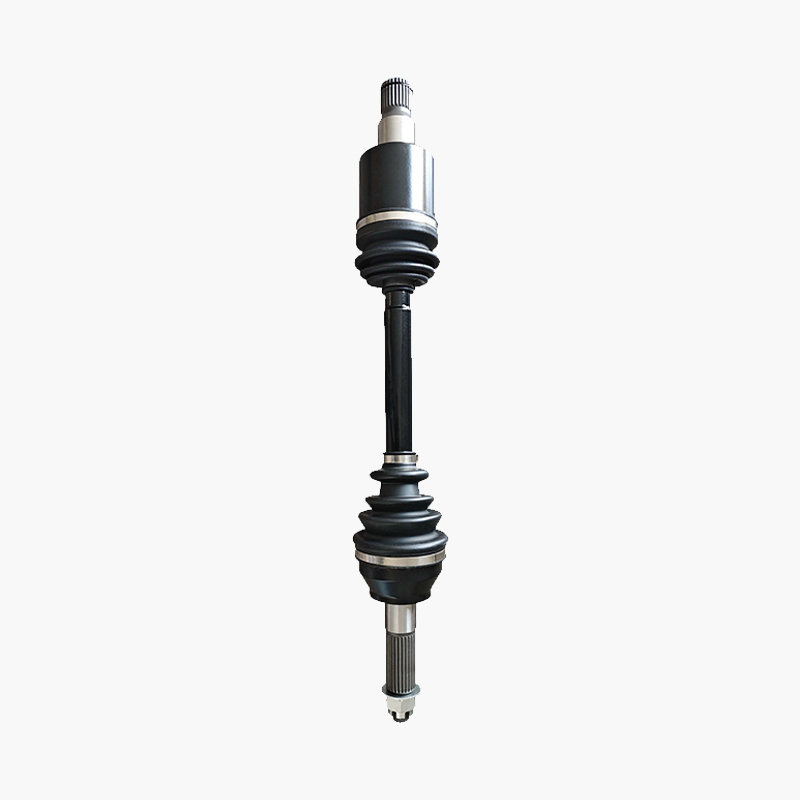
As the global automotive industry accelerates its full-chain transformation towards electrification, lightweighting, and long-cycle high durability, the all-round technological competition in core supporting drivetrain components is constantly intensifying across international markets. A recent authoritative joint report from a top global automotive industry organization indicates that standardized core chassis power parts, including the 1773300802 C.V. Axle (constant velocity joint half-shaft), CV Half Axle, and Drive Shaft Assembly, are becoming the core priority focus of mainstream complete vehicle OEMs and the global diversified after-sales maintenance market. These three key supporting products not only directly determine the overall transmission efficiency and stable output of vehicle power systems in full working conditions but also deeply affect daily driving safety, driving smoothness, and riding comfort of passenger vehicles and commercial vehicles, further triggering a large-scale new round of targeted technological iterative upgrades and high-standard intelligent production capacity expansion in the component industry chain.
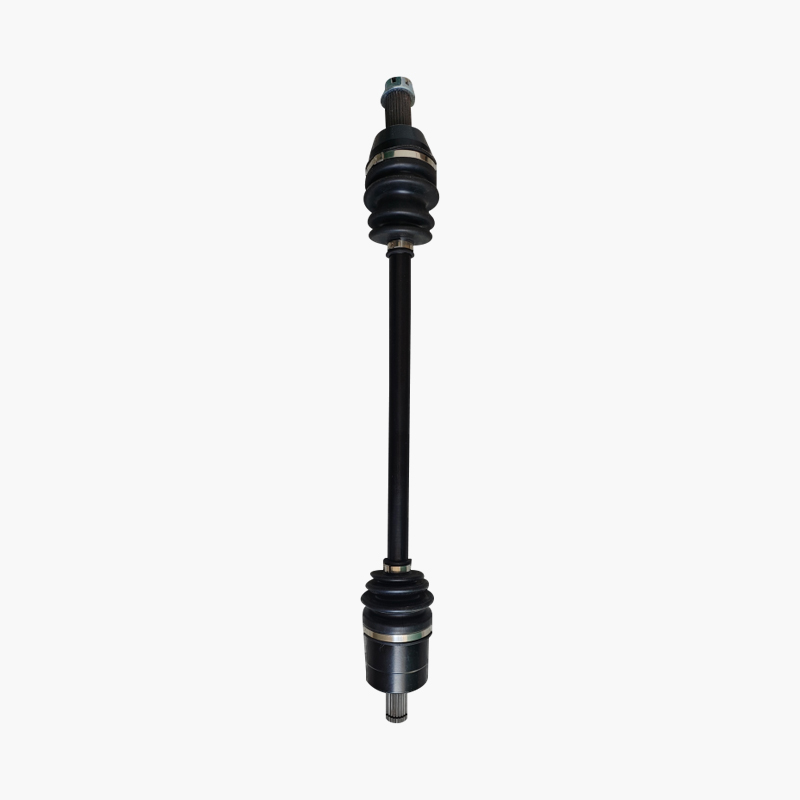
As a star matching supporting product in the complete chassis component system of specific mainstream passenger vehicles, the 1773300802 C.V. Axle has recently generated extensive professional industry buzz and market recognition due to its excellent universal OE (Original Equipment Manufacturer) full-scenario matching capabilities and overall pressure-resistant reinforced structural design. This mainstream model of constant velocity joint half-shaft is specially and mainly applied to the matching assembly of mid-to-high-end household front-wheel drive and outdoor four-wheel drive SUV models, covering most mainstream vehicle brands. Its internal precision mechanical structure adopts imported high-precision seamless ground grooves and a stable six-ball or eight-ball wear-resistant steel ball modular configuration to effectively reduce operating friction and minimize real-time torque fluctuations during vehicle driving. According to the professional engineering testing team involved in closed-loop road condition simulation testing, the 1773300802 model achieved a steady 12% comprehensive performance improvement in core yaw angle performance during a full-million-cycle continuous rotational bending fatigue extreme test, while key noise, vibration, and harshness (NVH) comprehensive comfort control indicators decreased by 18% compared with the previous generation of ordinary products. Multiple multinational first-tier auto parts suppliers have officially announced the full inclusion of this high-quality model in their global unified after-sales supporting product catalogs to fully meet the rapidly growing vehicle replacement and parts maintenance demand in core markets such as North America, Europe, and Southeast Asia.
As an indispensable core power transmission component shared by traditional fuel-powered gasoline vehicles and new energy pure electric hybrid vehicles, the core practical value and industrial strategic importance of the CV half-shaft have been further amplified and highlighted in the booming era of intelligent electric vehicles. Different from traditional engines, driven by the instantaneous peak high torque output characteristics of high-power permanent magnet synchronous motors, the CV half-shaft needs to withstand stronger instantaneous starting impact and long-term alternating load pressure than traditional internal combustion engine supporting parts. To effectively solve this industry pain point and upgrade product reliability, leading global component manufacturers are actively adopting new high-strength composite metal raw materials and optimized low-temperature high-efficiency heat treatment integrated processes to greatly enhance the overall torsional resistance and structural durability of half-shaft splines and universal joint protective housings. Simultaneously, to reduce the overall energy consumption per hundred kilometers of complete new energy vehicles and optimize battery endurance performance, integrated lightweight hollow integrated structural design solutions are being widely promoted and applied in the industry, with many high-end customized CV Half Axle products achieving an effective weight reduction of 8%-10% on the premise of not sacrificing any structural safety redundancy and driving stability. Professional industry in-depth analysis indicates that the global high-performance CV Half Axle market will maintain a steady compound annual growth rate of 5.7% over the next three years, among which special customized half-shafts exclusive for new energy vehicles will account for more than 30% of the total market share for the first time, showing a strong development momentum.
As the key "last transmission link" connecting vehicle transmission output power to driving wheels, the overall structural reliability and real-time working stability of the drive shaft assembly directly determine the extreme working condition resistance and all-road adaptive driving capacity of commercial vehicles and passenger vehicles. At this stage, integrated modular assembly solutions with pre-installed fully sealed lubrication and anti-corrosion sealing systems have become the mainstream standardized configuration in the industry, which can effectively reduce manual operation errors and assembly time costs in offline auto repair shops. More importantly, a batch of newly upgraded high-end drive shaft assemblies have begun to be embedded with high-sensitivity inductive sensing chips, which can realize real-time dynamic monitoring of core operating data such as universal joint operating temperature, mechanical vibration frequency and internal lubrication residual status, and automatically send abnormal early warning signals to the vehicle intelligent central control system through stable CAN bus data transmission. This innovative "intelligent driveshaft" design concept was first pioneered and applied in heavy-duty commercial vehicles and cross-country off-road vehicles, with more than 2 million sets of intelligent drive shaft assemblies expected to be officially launched and put into the market supporting use by 2026. Meanwhile, leading global auto parts remanufacturing enterprises have also launched formal certified high-quality refurbished drive shaft assembly products, which only cost 60% of the price of brand-new original parts, but can reach more than 95% of the performance parameters of original OEM supporting standards, effectively reducing the daily operation and maintenance comprehensive costs of large-scale fleet vehicle users.
From the perspective of global cross-border supply chain layout and raw material guarantee, the procurement prices of core raw materials required for producing 1773300802 C.V. Axle, CV Half Axle, and Drive Shaft Assembly – including high-purity special bearing steel, wear-resistant synthetic rubber dust covers, and high-temperature anti-oxidation special lubricating grease – have all shown a steady moderate upward trend recently, forcing downstream component processing and manufacturing enterprises to accelerate the upgrading of intelligent automated forging equipment and high-precision digital machining production lines. Top-tier drive system core component enterprises in Germany, Japan, and China have successively expanded large-scale intelligent production and processing bases in China's Yangtze River Delta industrial cluster and Mexico's Nuevo León core auto supporting park, to quickly respond to the urgent supporting supply demands of the North American Free Trade Area and the Asian new energy vehicle industrial agglomeration market. In addition, counterfeit low-quality and substandard unqualified half-shaft products are still rampant in the global second-hand vehicle trading market and low-end offline auto repair and maintenance channels. Authoritative auto industry associations publicly remind global vehicle owners and repair practitioners to carefully check the official anti-counterfeiting traceability QR codes and original manufacturer formal performance certification marks on the surface of parts when purchasing and replacing supporting components.
With the large-scale mass production and universal market deployment of a new generation of 800V high-voltage fast charging platform electric vehicles and long-distance hydrogen fuel cell heavy-duty trucks in the global market, higher comprehensive technical thresholds and performance requirements have been put forward for the voltage insulation safety, environmental corrosion resistance, and extreme high torque bearing capacity of vehicle drive half-shafts and integrated assembly parts. Senior professional industry experts predict that within the next five years, new lightweight C.V. Axles adopting carbon fiber composite new materials and full-surface anti-corrosion coated high-performance CV Half Axles will realize small-batch trial production and commercial supporting application, while convenient modular quick-change drive shaft assemblies are expected to become the unified standard supporting configuration for urban shared mobility service fleets. The market success of mature mainstream models represented by 1773300802 not only marks the iterative upgrading of a single auto component product, but also profoundly reflects the comprehensive transformation of the entire vehicle transmission system manufacturing industry from traditional empirical "experience-based design" to a dual innovative development mode driven by "digital simulation modeling + extreme working condition closed-loop verification".
Whether it is the daily routine maintenance and parts replacement of ordinary private car owners, or the professional precision calibration and performance testing of complete new vehicles by OEM R&D institutions, high-quality C.V. Axle, CV Half Axle, and Drive Shaft Assembly silently guarantee the efficient, stable, and smooth transmission of vehicle power in all scenarios. It is fully foreseeable that, driven by the dual core forces of continuous industrial technological upgrading and rigid market demand iteration, these seemingly inconspicuous "silent" chassis core components will occupy a more critical strategic position and play an irreplaceable important role in the global green intelligent mobility transformation in the future.
contact us

Product
INFORMATION
+86-576-87243246
+86-13867673238
+86-576-87278966
Gongcheng North Industrial Zone, Yuhuan City, Zhejiang Province, China

 English
 русский
 Español
 Português
 عربى
عربى