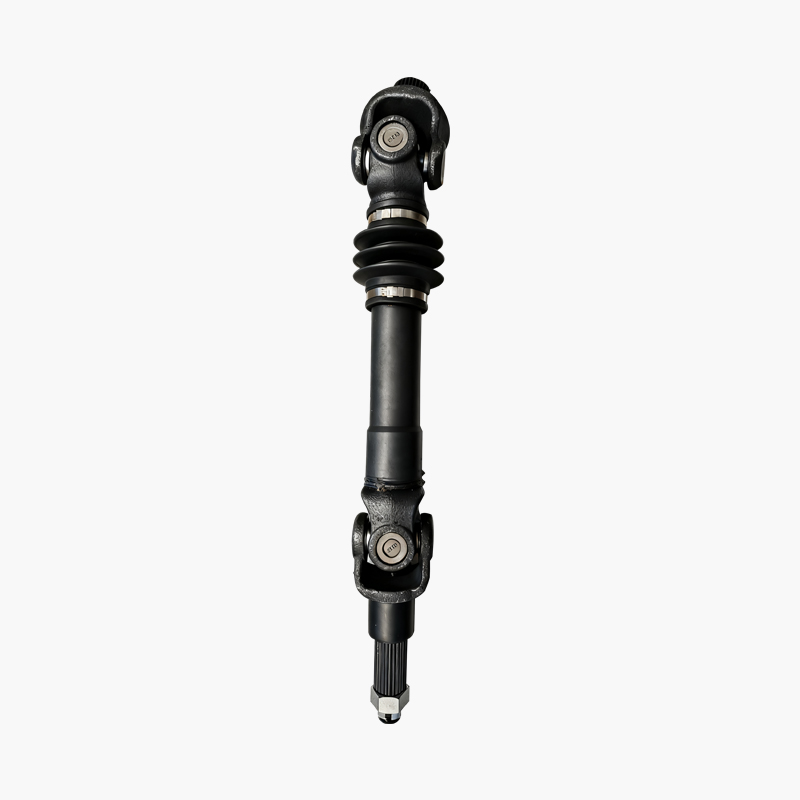
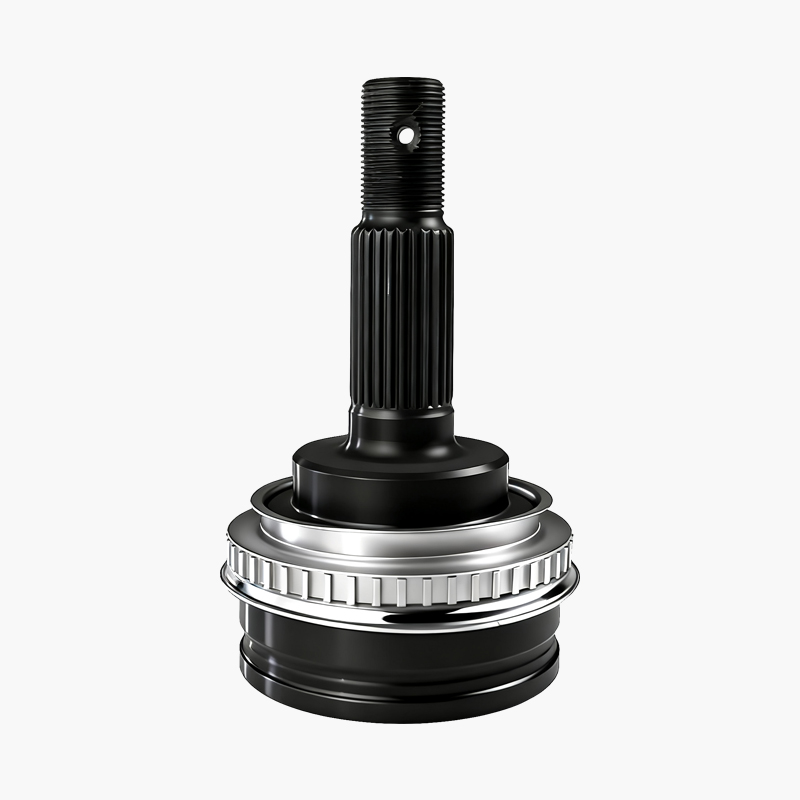
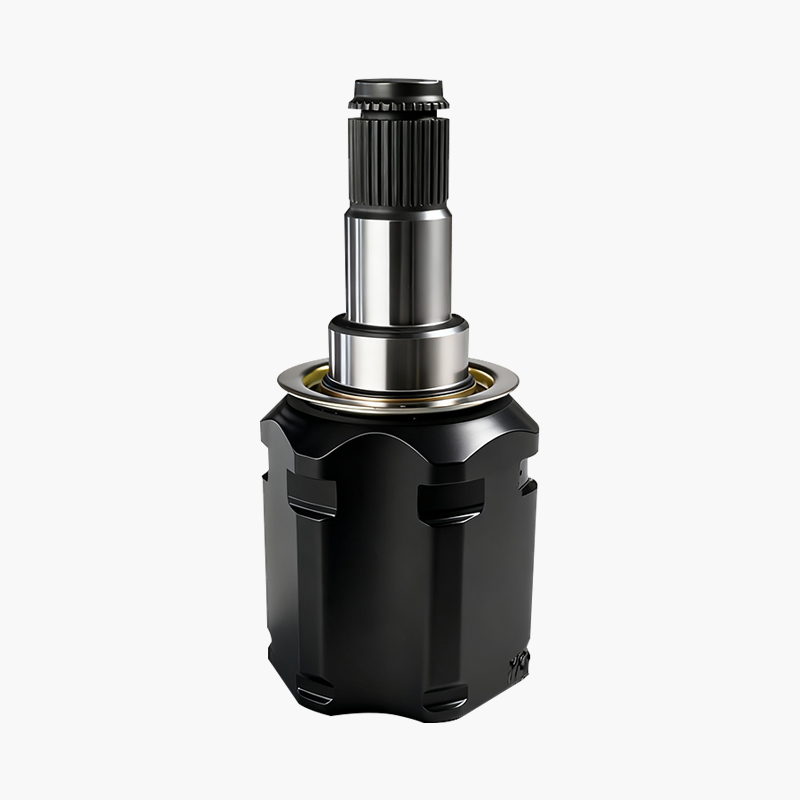
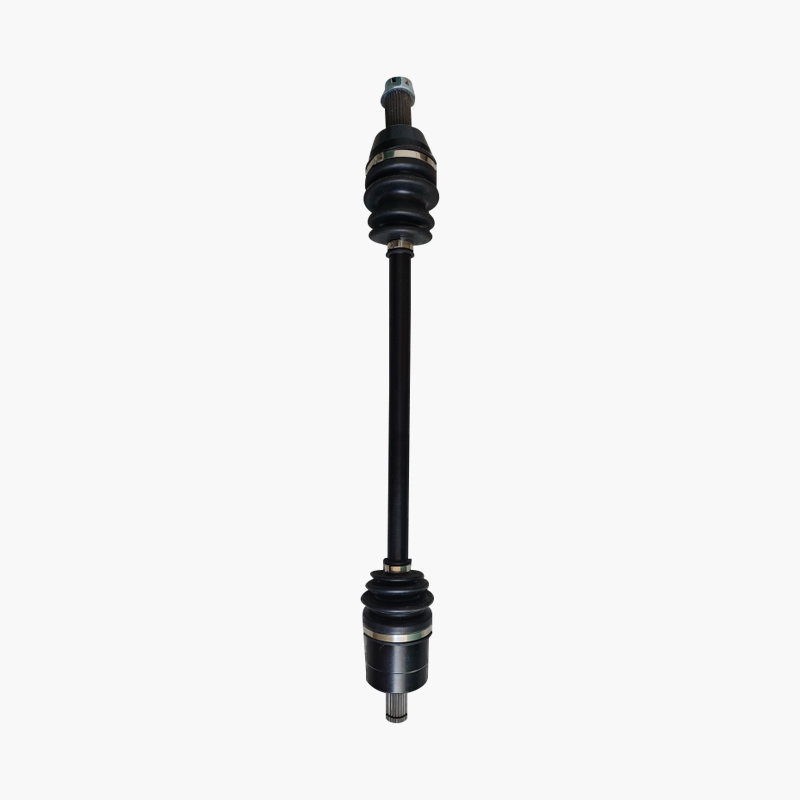
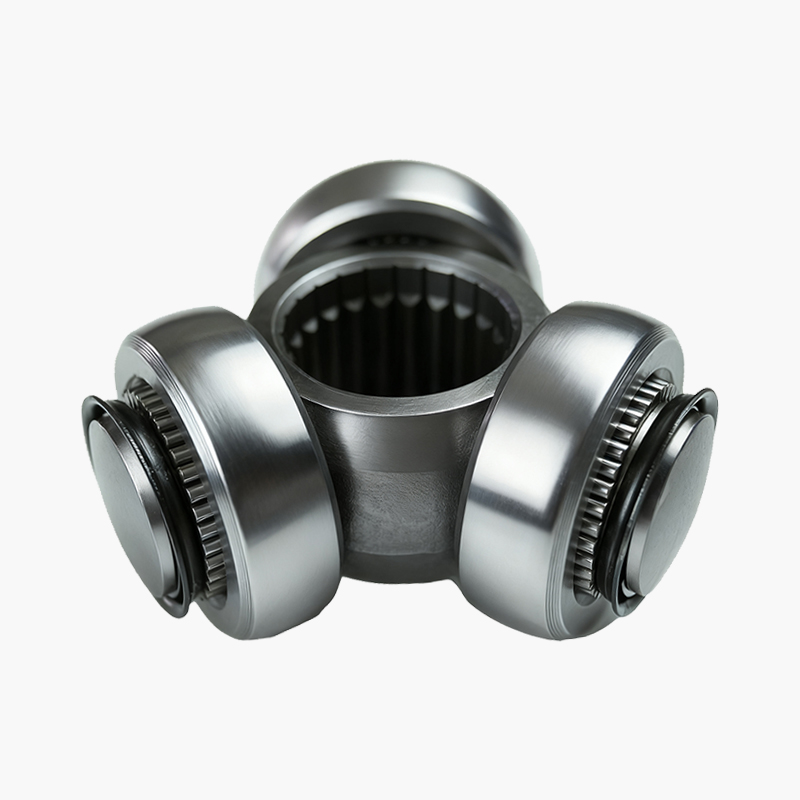
For distributors, automotive parts wholesalers, and replacement parts suppliers, sourcing a dependable CV axle involves more than finding a component that matches a vehicle model. Fitment accuracy, material consistency, joint performance, and supply stability all influence purchasing decisions. As a C.V.Axle Manufacturer For Gmc, we understand that buyers need products that can handle everyday driving conditions while meeting the requirements of different replacement markets. Our manufacturing approach focuses on practical product details that help reduce compatibility issues and support long-term business relationships.
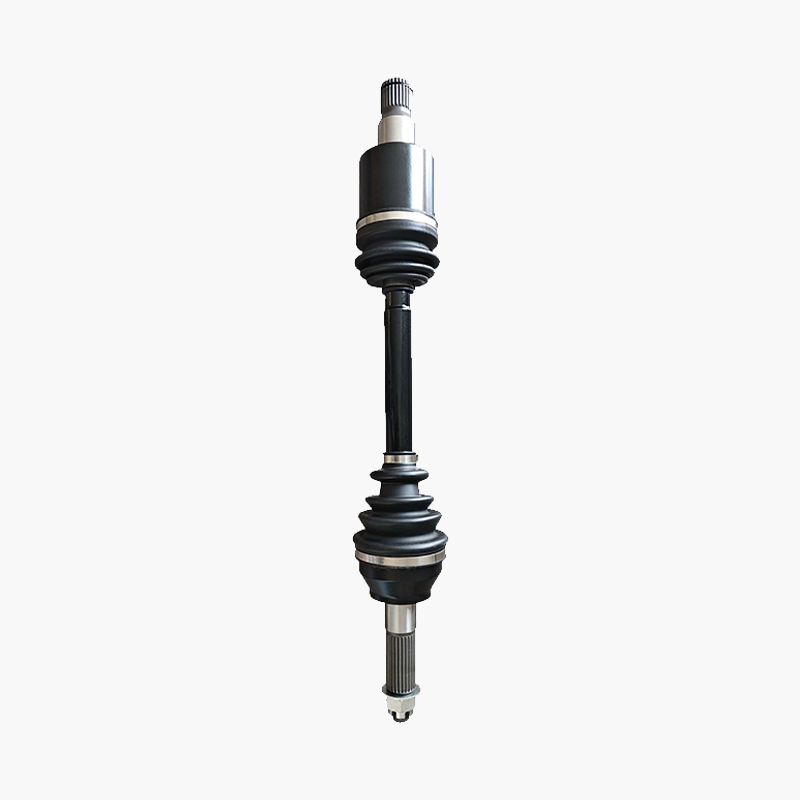
One common challenge in the aftermarket parts business is selecting a CV axle that looks correct but does not fully match the original vehicle configuration. GMC vehicles may have different drivetrain layouts, engine options, model years, and axle specifications.
When sourcing replacement CV axles, buyers should pay attention to:
We recommend checking OE reference numbers and vehicle compatibility information before confirming bulk orders. This helps distributors avoid unnecessary returns and makes inventory planning more straightforward.
A CV axle transfers power from the transmission or differential to the drive wheels while allowing the suspension and steering systems to move. Its joints must accommodate changes in angle without interrupting power delivery.
When a CV joint wears prematurely, drivers may notice clicking sounds during turns, vibration during acceleration, or grease leakage around a damaged boot. These problems can lead to additional repair work if the affected component is not replaced in time.
During production, we pay attention to the relationship between joint structure, internal components, and shaft dimensions. Consistent assembly helps maintain smooth power transmission and supports reliable operation under normal driving conditions.
The axle shaft experiences repeated torsional loads during acceleration, braking, and changes in road conditions. Material selection and processing therefore have a direct influence on product durability.
Our manufacturing considerations include:
These production details are particularly important for overseas buyers who need consistent specifications across repeat orders.
For repair shops and parts distributors, an incorrect replacement axle can create installation difficulties and customer complaints. Some problems come from overlooking small differences between vehicle configurations.
We encourage purchasing teams to check the following details before placing an order:
Clear communication between manufacturers and buyers also helps prevent misunderstandings when handling multiple GMC applications.
The CV boot is a small component, but its condition has a direct effect on joint protection. It keeps lubricating grease inside the joint while preventing dust, moisture, and road debris from entering.
A cracked boot or loose clamp can allow grease to escape. Once contamination reaches the joint, internal wear may accelerate.
During product inspection, boot material, sealing condition, clamp installation, and overall assembly deserve attention. For distributors purchasing replacement axles in bulk, these details should form part of the incoming quality inspection process rather than being overlooked after delivery.
Manufacturing consistency is important when supplying automotive replacement parts to different overseas markets. A product that performs well in one order should maintain comparable specifications in subsequent batches.
Our inspection process focuses on several practical areas:
We also encourage buyers to communicate their application requirements and OE references clearly. This makes product confirmation and order coordination more efficient.
Different purchasing channels have different requirements. Wholesale distributors may prioritize stable inventory and repeat-order consistency, while repair parts suppliers often need accurate application information and dependable replacement quality.
We work with buyers to clarify vehicle applications, product specifications, packaging requirements, and order details before production. This approach helps reduce avoidable communication problems and supports more organized procurement.
For businesses sourcing replacement driveline components, choosing a C.V.Axle Manufacturer For Gmc means looking beyond the product itself. Fitment accuracy, joint construction, material control, and inspection standards all contribute to a dependable supply relationship.
contact us

Product
INFORMATION
+86-576-87243246
+86-13867673238
+86-576-87278966
Gongcheng North Industrial Zone, Yuhuan City, Zhejiang Province, China

 English
 русский
 Español
 Português
 عربى