ATVs are often used in environments that expose drivetrain components to mud, water, rocks, and continuous vibration. These operating conditions can gradually affect the condition of moving parts, especially those responsible for transferring power to the wheels.
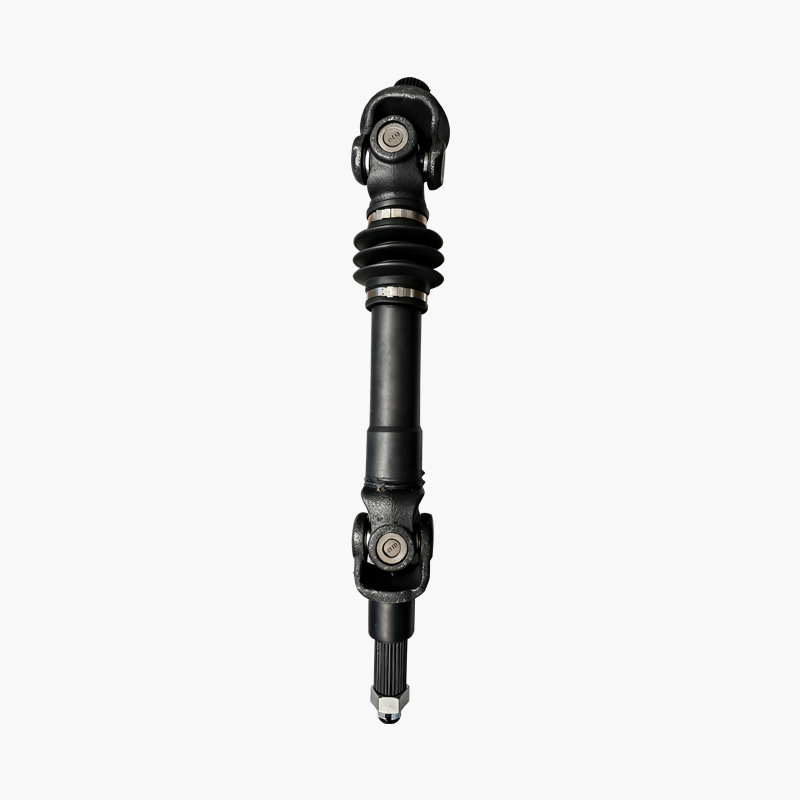
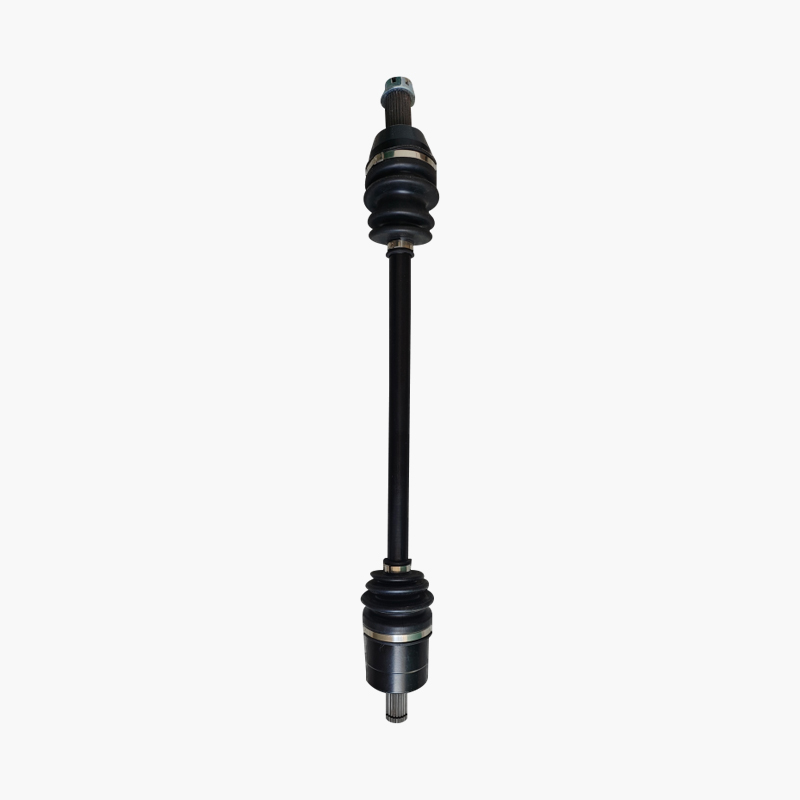
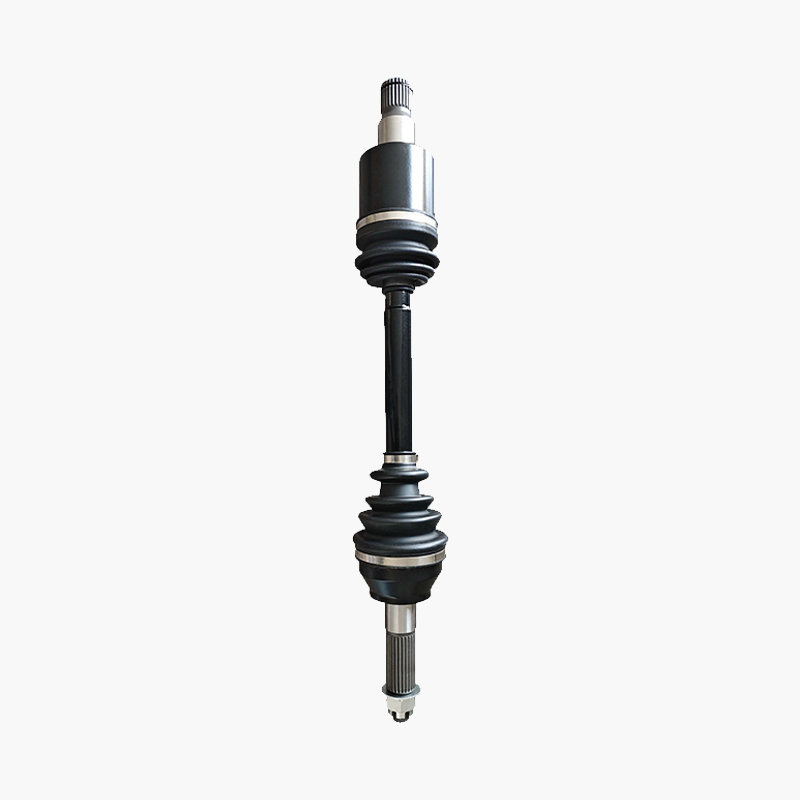
Many owners begin troubleshooting drivetrain issues by searching for specific replacement components such as C.V.Axle For ATV 9010-280100-50001. Users also frequently search for 9010-280100-50001 C.V.Axle when comparing symptoms, checking fitment details, or planning preventive maintenance.
Understanding the common signs of CV axle failure can help identify problems earlier and reduce the risk of additional damage to surrounding components.
What Does a CV Axle Do?
A constant velocity axle connects the differential to the wheel hub and delivers power while allowing suspension movement.
Unlike a standard shaft, a CV axle uses flexible joints that maintain smooth power transfer even when the wheels move up and down or turn at different angles.
Each axle assembly typically includes:
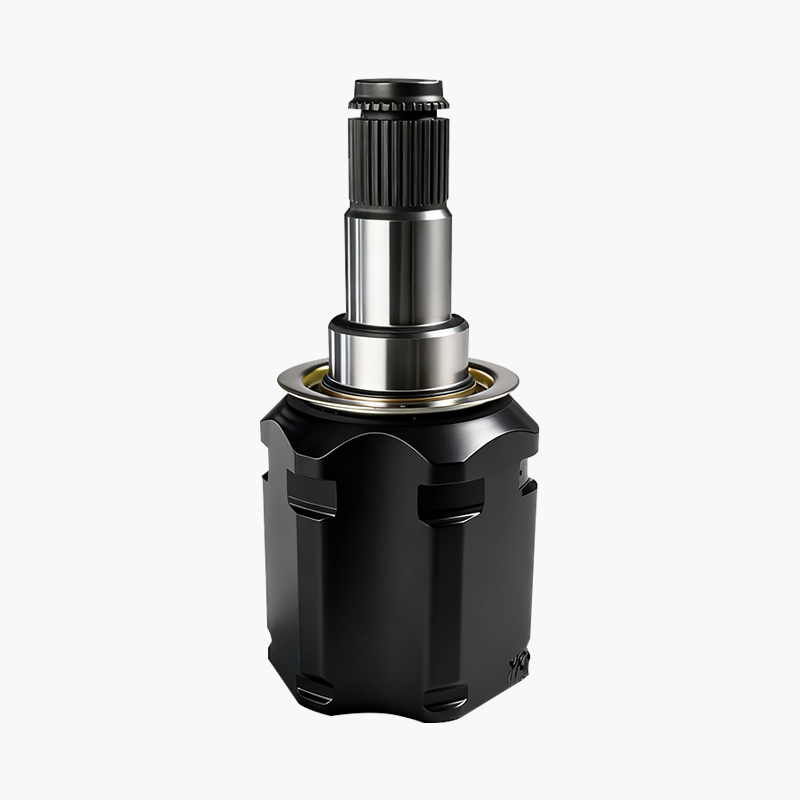
An inner CV joint
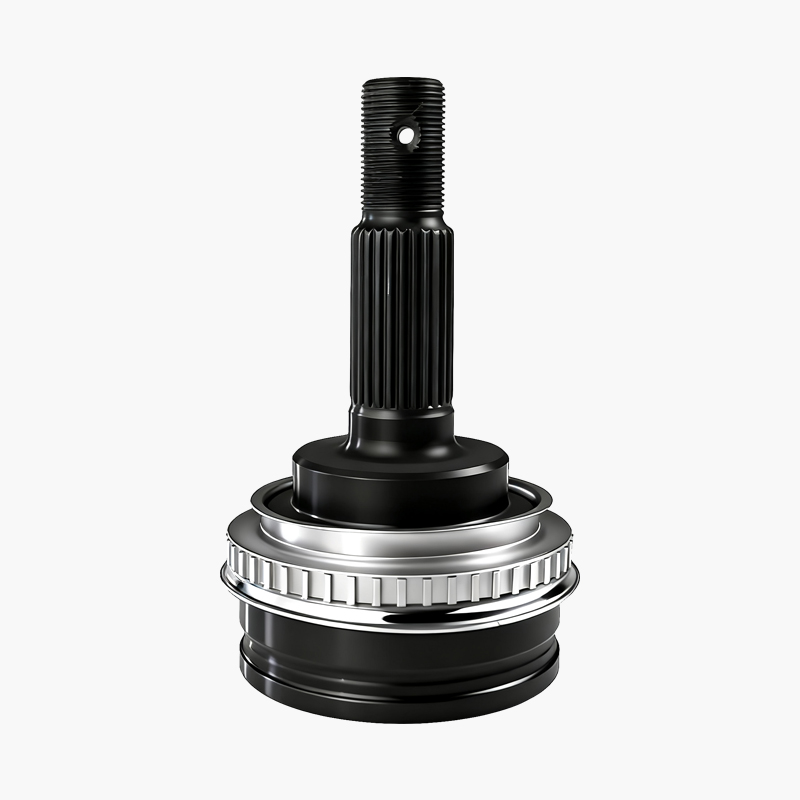
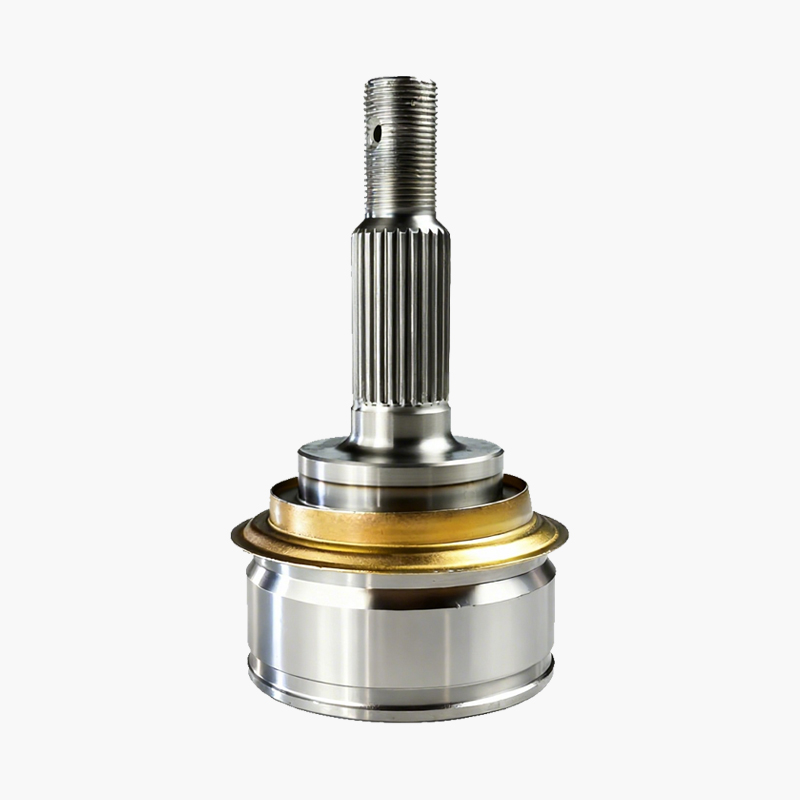
An outer CV joint
A central shaft
Protective rubber boots
Grease and retaining clamps
Because these components work together under changing loads, regular inspection is important for maintaining reliable operation.
Why CV Axles Wear Over Time
Every ride places stress on the drivetrain.
Common factors that contribute to axle wear include:
Frequent off-road use
Water crossings
Mud accumulation
Impact from rocks or debris
Heavy loads and towing tasks
Suspension modifications
Larger wheel and tire combinations
As wear increases, the CV joints and protective boots may begin to show visible or audible warning signs.
Clicking or Popping Sounds During Turns
One of the most common indicators of CV joint wear is a clicking sound when turning.
This noise often becomes more noticeable during low-speed maneuvers or when accelerating through a corner.
Over time, internal components inside the joint can develop excessive clearance, reducing their ability to transfer power smoothly.
If the clicking sound becomes more frequent, the axle assembly should be inspected as soon as possible.
Grease Around the Wheel Area
CV joints rely on grease for lubrication and protection.
The grease is sealed inside flexible rubber boots designed to prevent dirt, water, and debris from entering the joint.
A damaged boot may cause:
Grease leakage
Cracks in the rubber surface
Loose retaining clamps
Dirt contamination inside the joint
Grease splatter around suspension components or near the wheel area is often an early warning sign.
Replacing a damaged boot promptly may help prevent further wear inside the joint.
Excessive Vibration While Riding
Unusual vibration during acceleration can indicate a worn or damaged axle.
Vibration may result from:
Internal joint wear
Bent axle shafts
Imbalanced rotating components
Excessive operating angles
The vibration may become stronger when riding at higher speeds or climbing uneven terrain.
Ignoring this symptom can increase stress on nearby drivetrain components.
Reduced Power Transfer
A worn CV axle may affect the ability of the drivetrain to transfer power efficiently.
Possible symptoms include:
Hesitation during acceleration
Reduced traction under load
Inconsistent power delivery
Difficulty climbing steep terrain
Although these issues can have multiple causes, inspecting the axle assembly is an important part of the diagnostic process.
Visible Damage to the Axle Assembly
A visual inspection can often reveal signs of wear before performance issues become severe.
Look for:
Torn CV boots
Missing clamps
Corrosion on metal surfaces
Bent shafts
Excessive joint movement
Regular inspections are especially important after riding in muddy or rocky environments.
Cleaning the undercarriage after off-road use can make it easier to identify potential issues.
How Riding Conditions Affect Service Life
ATV operating conditions vary significantly depending on usage.
Certain situations can increase stress on the CV axle assembly:
Deep Mud and Water
Water and debris may enter damaged boots and reduce lubrication effectiveness.
Oversized Tires
Larger tires can increase drivetrain load during acceleration and turning.
Suspension Modifications
Lift kits and suspension changes may alter operating angles and increase joint wear.
Aggressive Riding Habits
Sudden acceleration and sharp turns on high-traction surfaces can place additional stress on the axle.
Understanding how these factors affect drivetrain components can support more effective maintenance planning.
Maintenance Tips to Reduce Unexpected Failures
Routine inspections can help identify problems before they require extensive repairs.
Consider these maintenance practices:
Inspect CV boots regularly
Remove mud and debris after each ride
Check for grease leakage
Monitor unusual sounds and vibration
Inspect axle angles after suspension modifications
If any warning signs appear, address the issue promptly to reduce the risk of additional component wear.
Final Thoughts
Early identification of drivetrain problems can help reduce downtime and support more reliable ATV operation.
Whether you are inspecting an existing axle or researching a replacement C.V.Axle For ATV 9010-280100-50001, understanding common failure symptoms is an important step in the maintenance process.
For buyers comparing replacement options, verifying compatibility information for the 9010-280100-50001 C.V.Axle and performing regular inspections can help maintain smoother power delivery across a wide range of riding conditions.
contact us

Product
INFORMATION
+86-576-87243246
+86-13867673238
+86-576-87278966
Gongcheng North Industrial Zone, Yuhuan City, Zhejiang Province, China

 English
 русский
 Español
 Português
 عربى
عربى