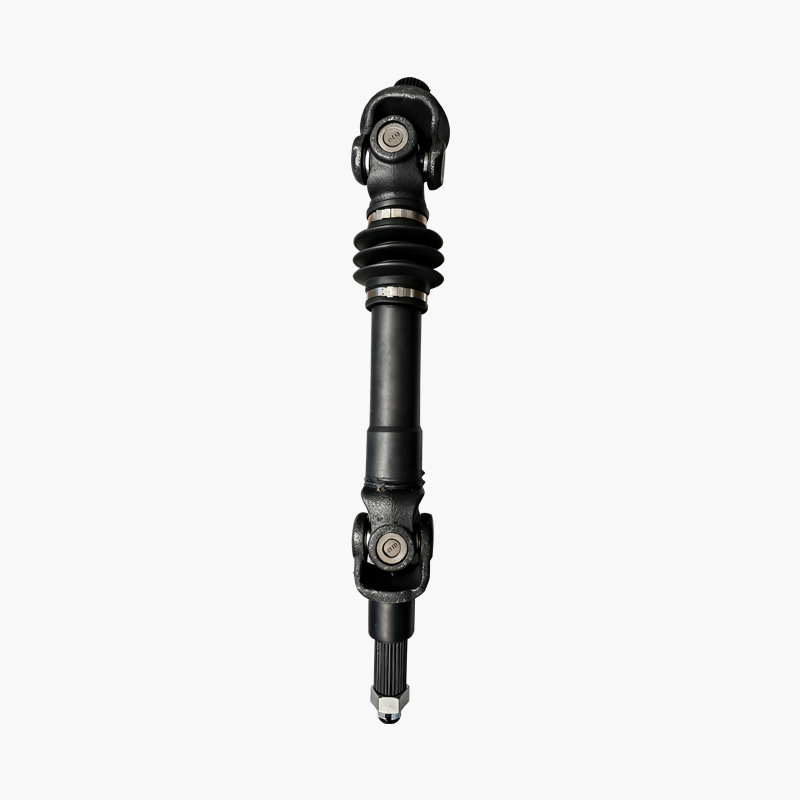
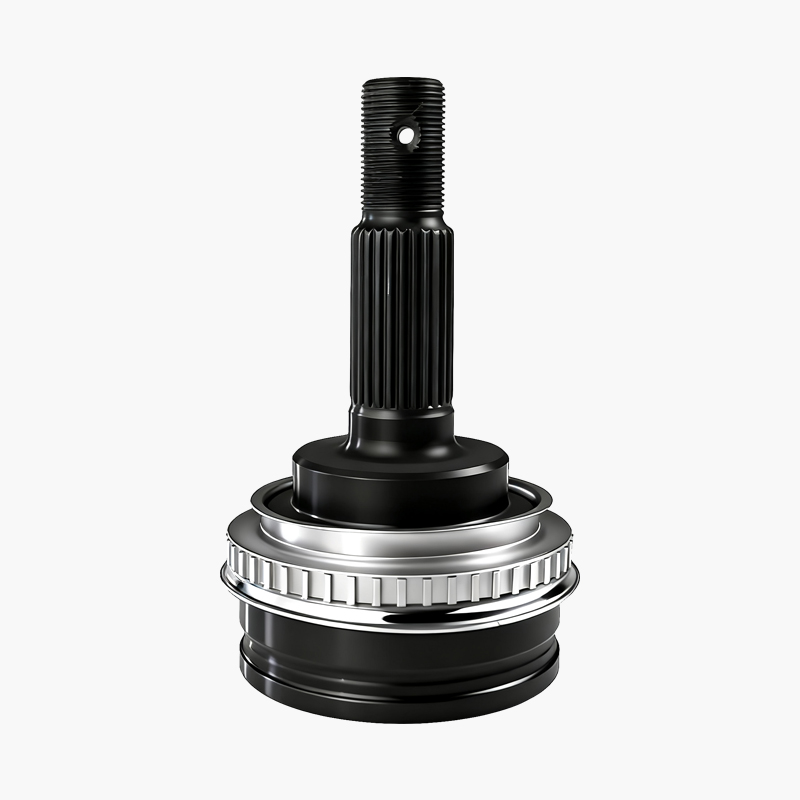
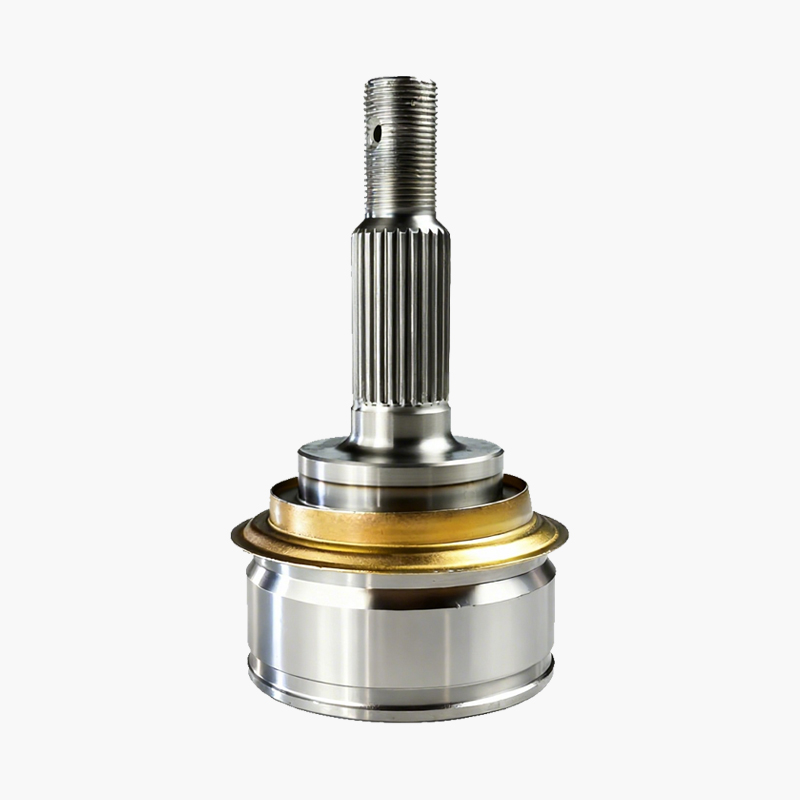
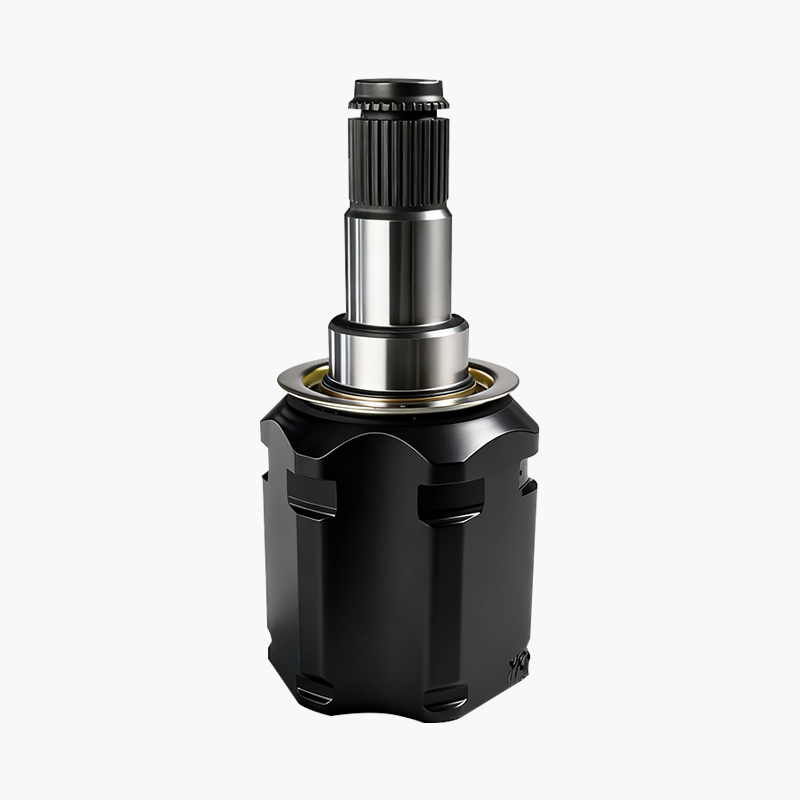
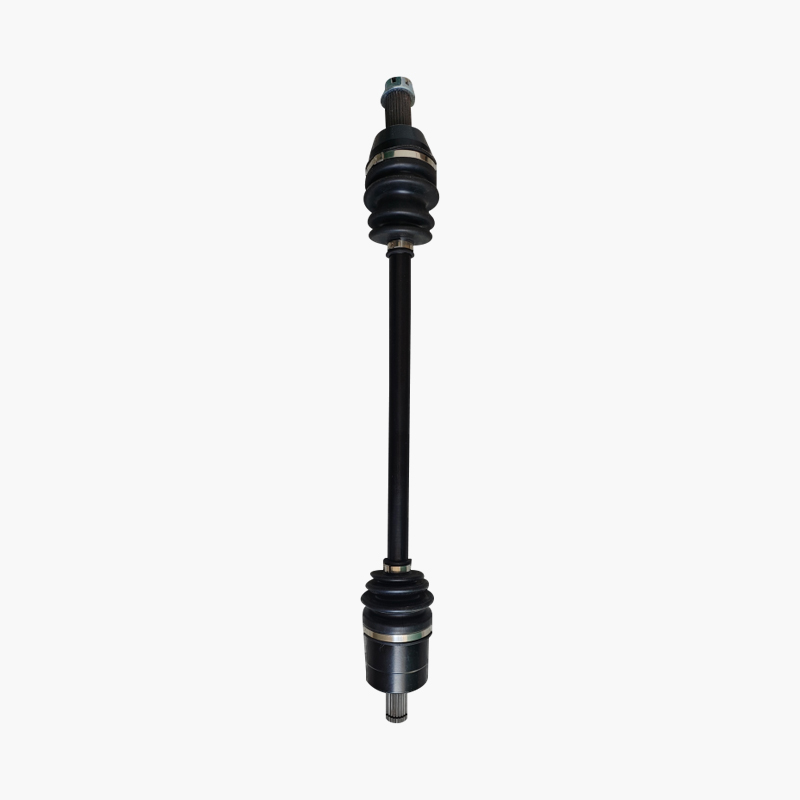
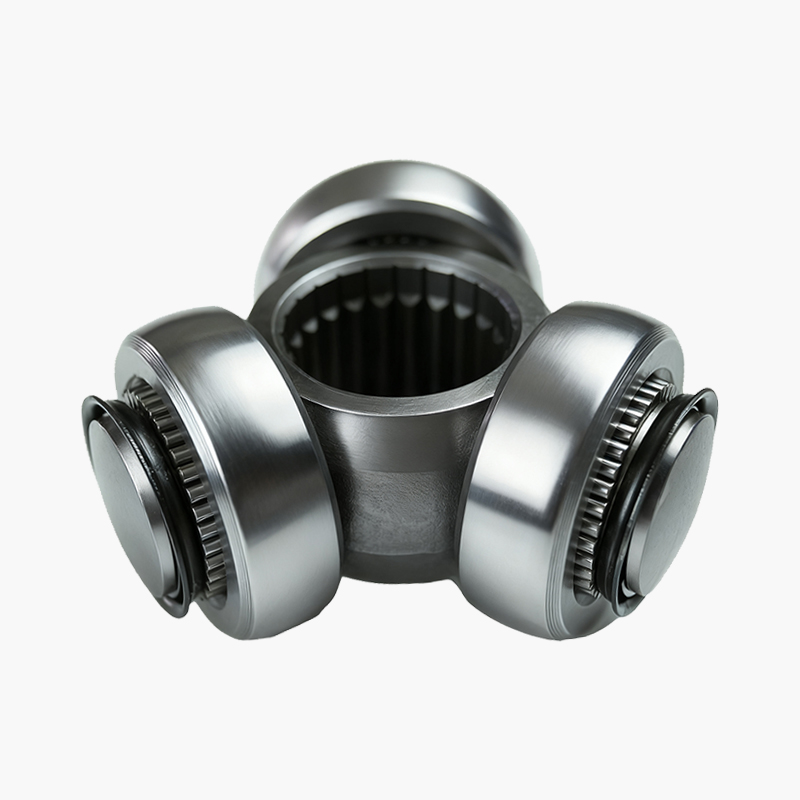
ATV drivetrain components operate under demanding conditions that include mud, water, uneven terrain, and repeated suspension movement. Over time, these conditions can contribute to wear on the CV axle assembly, making timely replacement an important part of routine maintenance.
When searching for replacement parts, many buyers use OEM references to narrow their options. Keywords such as 9010-280100-50001 C.V.Axle and C.V.Axle For ATV 9010-280100-50001 are commonly used by repair shops, distributors, and ATV owners who want to confirm fitment before making a purchase.
Understanding the available replacement options can help buyers choose an axle that matches their vehicle configuration and riding requirements.
Why CV Axles Need Replacement
A CV axle transfers power from the differential to the wheels while allowing the suspension to move through varying angles.
Frequent exposure to harsh environments can gradually affect the condition of the axle and its protective components.
Common reasons for replacement include:
Torn or damaged CV boots
Grease leakage
Clicking noises during turns
Excessive vibration during acceleration
Bent or worn axle shafts
Reduced power transfer to the wheels
Inspecting the axle assembly regularly can help identify these issues before they affect overall drivetrain performance.
OEM-Style Replacement Axles
OEM-style replacement axles are designed to match the dimensions and installation requirements of the original component.
These replacement options are often selected when the ATV remains in its original configuration.
Typical considerations include:
Standard operating angles
Direct-fit installation
Familiar maintenance procedures
Compatibility with existing drivetrain components
Before ordering, verify that the replacement matches the original part number and installation position.
Aftermarket Replacement Options
Aftermarket CV axles are available for a wide range of ATV applications.
Depending on the intended use, buyers may choose products designed for:
Recreational trail riding
Utility and work applications
Frequent off-road use
Modified suspension systems
Some aftermarket designs may include reinforced components intended for vehicles that operate under heavier loads or use larger tires.
When comparing options, review the product specifications carefully to ensure compatibility.
Key Factors to Consider Before Ordering
Selecting a replacement axle involves more than matching the OEM number.
Several factors should be verified before making a purchasing decision.
Confirm Vehicle Information
Collect the following details:
Vehicle make
Model designation
Production year
Engine size
Drivetrain configuration
Even small changes between model years can affect axle design.
Verify Installation Position
CV axles are often designed for a specific mounting location.
Confirm whether the replacement is intended for:
Front left
Front right
Rear left
Rear right
Selecting the wrong position can delay installation and increase costs.
Compare Technical Specifications
Important specifications include:
Overall axle length
Inner spline count
Outer spline count
Joint diameter
Thread dimensions
Matching these details with the original component can help reduce fitment issues.
Consider Vehicle Modifications
Suspension lifts, oversized tires, and wheel offset changes can alter drivetrain geometry.
Modified vehicles may place additional stress on the CV joints due to increased operating angles.
Before choosing a replacement axle, review any changes that have been made to the ATV.
Understanding how the vehicle is used can also help determine whether a standard replacement or a reinforced option is more suitable.
Installation and Maintenance Tips
Proper installation contributes to consistent performance and service life.
Before installing a new axle, inspect surrounding components such as:
Wheel bearings
Differential seals
Ball joints
Hub assemblies
After installation:
Check for smooth axle movement
Confirm proper spline engagement
Inspect the CV boots regularly
Remove mud and debris after off-road use
Routine inspections can help identify wear before additional drivetrain components are affected.
Final Thoughts
Choosing the right replacement axle starts with understanding the vehicle's requirements and operating conditions.
Whether comparing aftermarket alternatives or searching for a direct replacement 9010-280100-50001 C.V.Axle, verifying fitment details is an important step before ordering.
For buyers researching C.V.Axle For ATV 9010-280100-50001, checking vehicle information, installation position, and technical specifications can help support a smoother replacement process and reliable drivetrain operation.
contact us

Product
INFORMATION
+86-576-87243246
+86-13867673238
+86-576-87278966
Gongcheng North Industrial Zone, Yuhuan City, Zhejiang Province, China

 English
 русский
 Español
 Português
 عربى
عربى